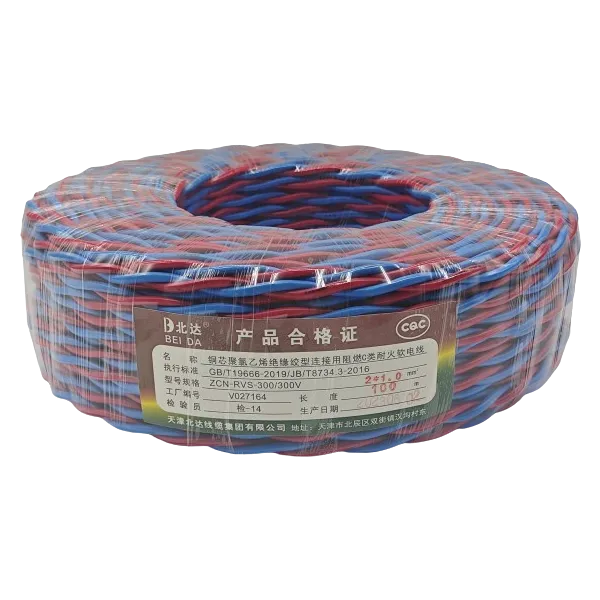
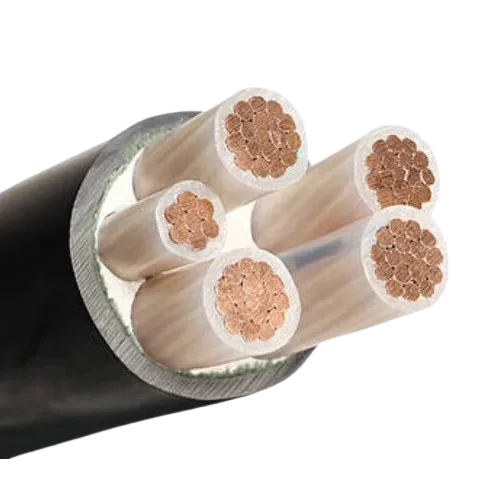
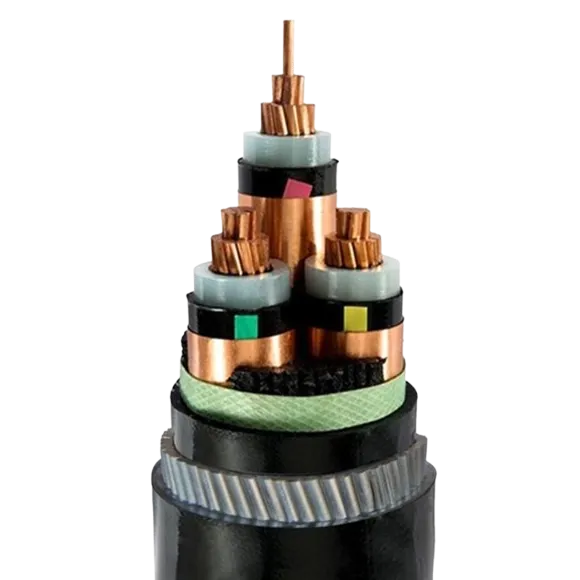
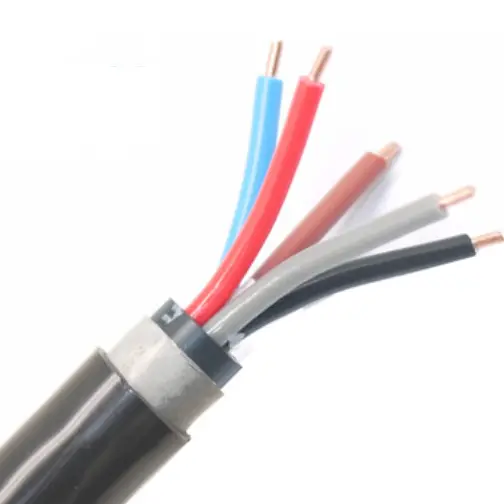
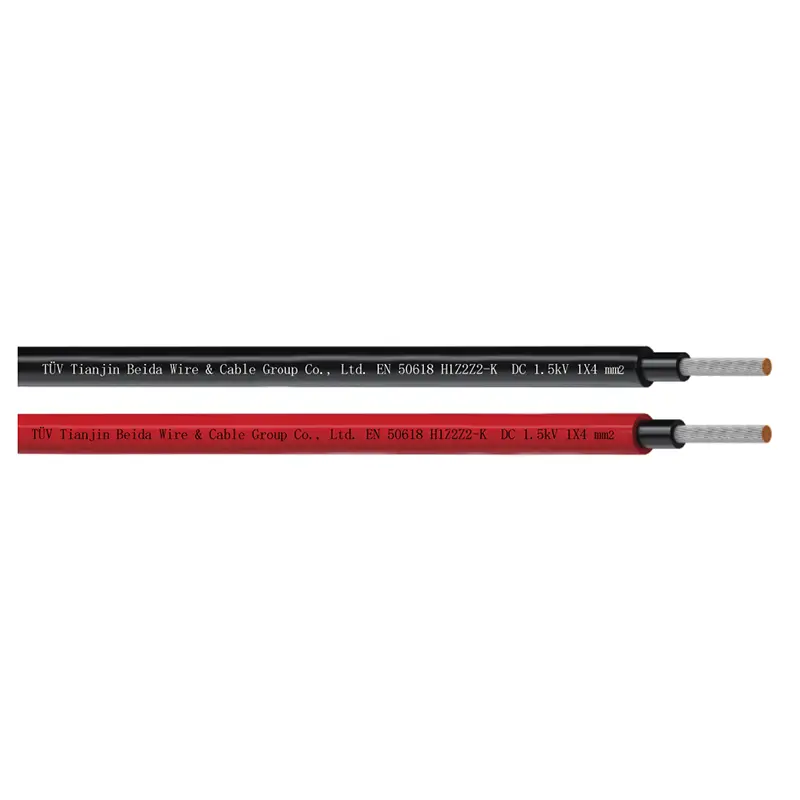
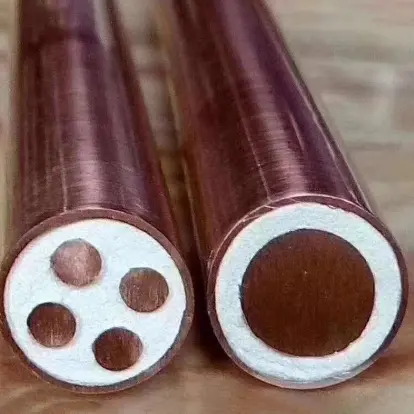
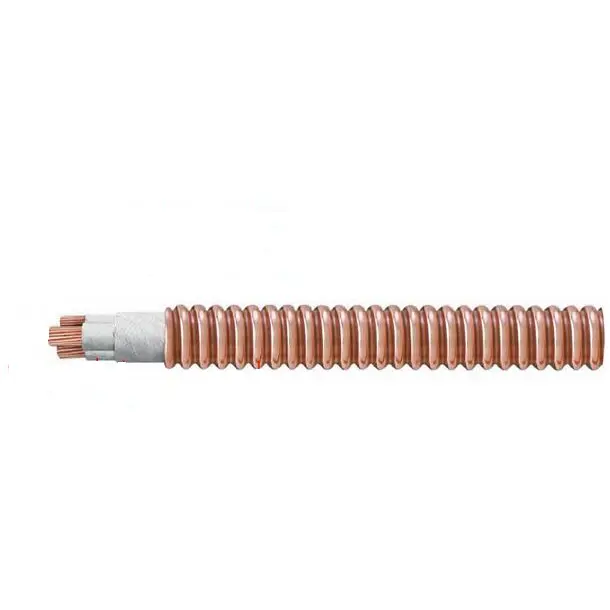
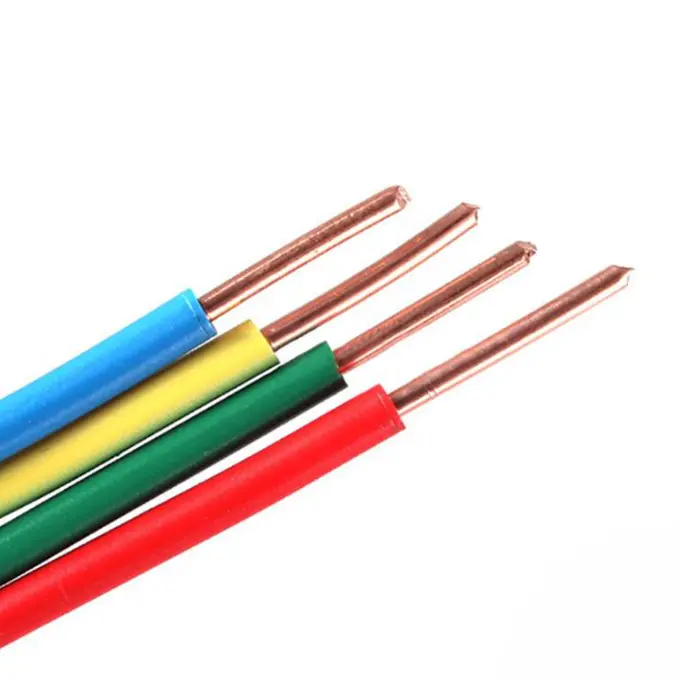
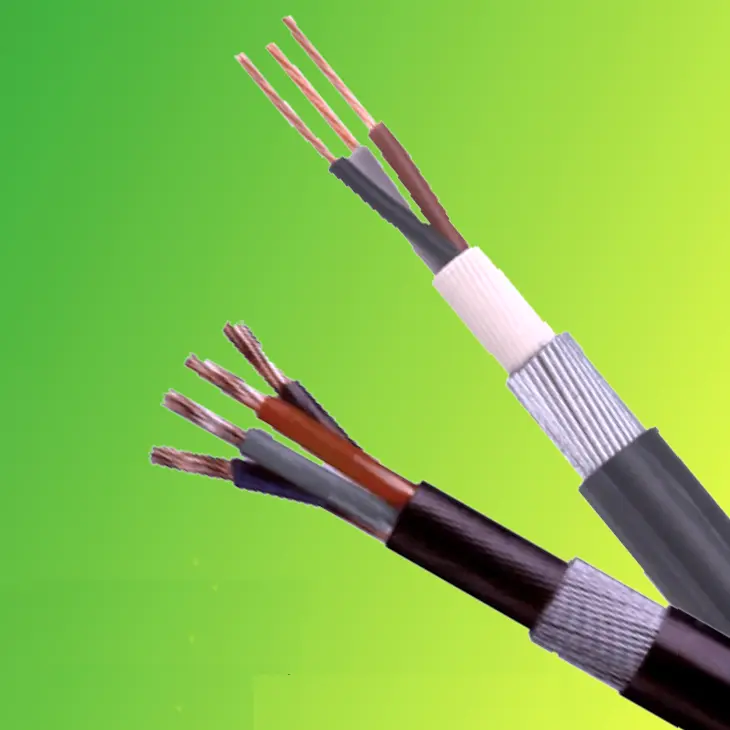
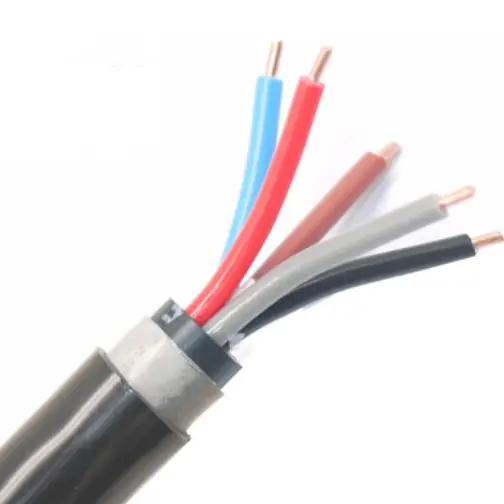
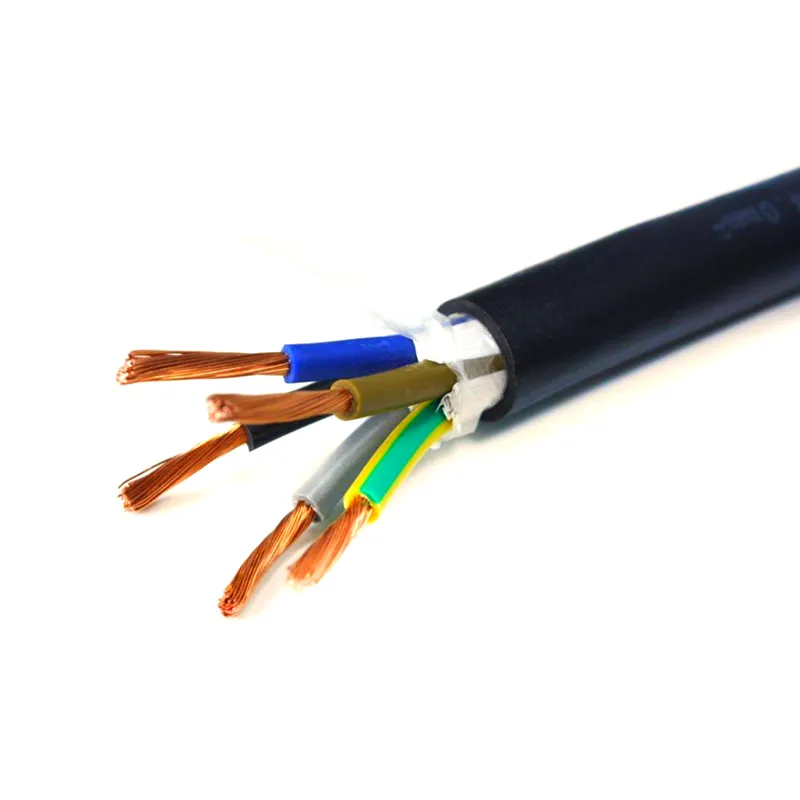
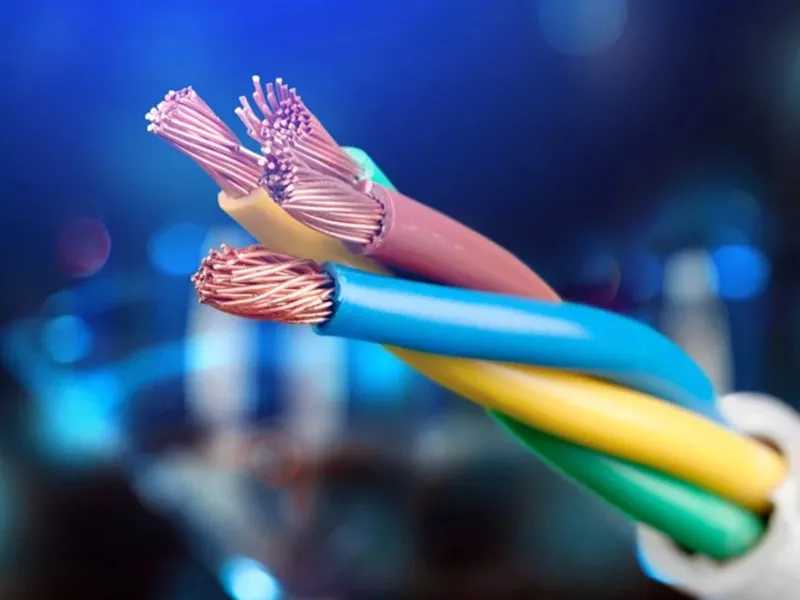
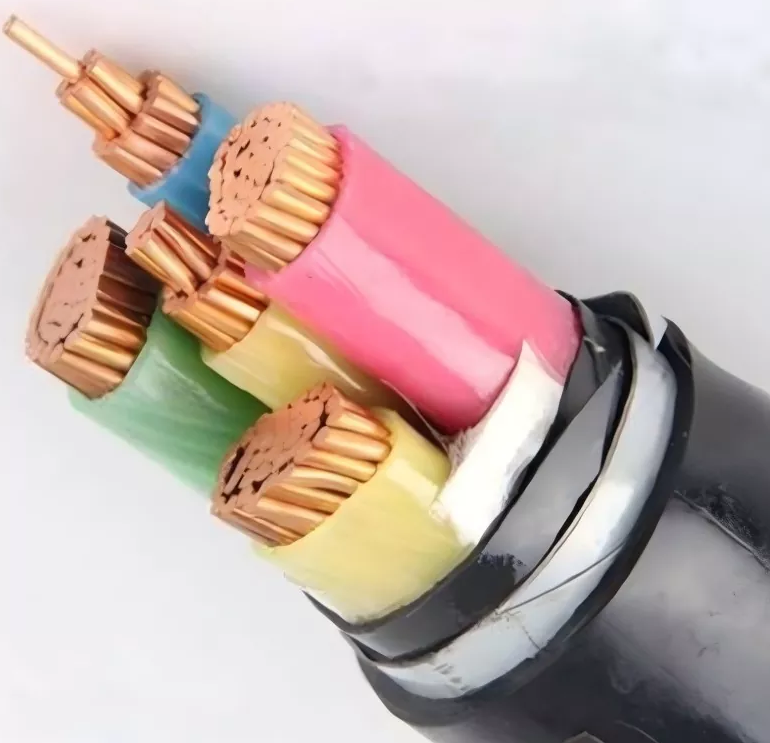
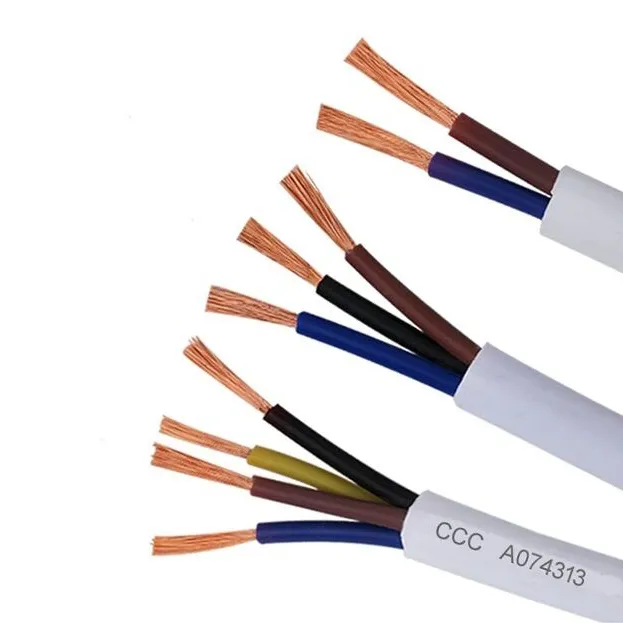
PVC Insulated Wires are among the most widely used electrical conductors across residential, commercial, and industrial applications. Their popularity stems from durability, cost-effectiveness, flame resistance, and excellent insulation properties. However, customers often struggle with selecting the right specification, understanding safety ratings, comparing alternatives, and ensuring compliance with international standards. This comprehensive guide explores everything you need to know about PVC Insulated Wires—from structure and materials to performance, applications, installation guidance, and frequently asked questions—helping you make confident and informed purchasing decisions.
Table of Contents
1. Introduction to PVC Insulated Wires
2. What Are PVC Insulated Wires?
3. Key Features and Technical Advantages
4. PVC Insulated Wires vs Other Insulation Types
5. Common Applications and Use Cases
6. Technical Specifications and Standards
7. How to Choose the Right PVC Insulated Wire
8. Installation and Safety Guidelines
9. Maintenance and Service Life
10. Why Work with Tianjin Beida Wire & Cable Group Co., Ltd.
11. Frequently Asked Questions (FAQ)
12. Conclusion
1. Introduction to PVC Insulated Wires
Electrical safety and performance depend heavily on the quality of insulation materials used in wiring systems. Among various insulation materials available today, PVC (Polyvinyl Chloride) remains one of the most trusted and widely adopted options. From residential buildings to complex industrial systems, PVC Insulated Wires provide a reliable solution for power transmission and control circuits.
Many customers face challenges such as overheating risks, short circuits, mechanical damage, or premature aging of wires. Selecting the correct PVC Insulated Wire can significantly reduce these risks, ensuring stable operation, long-term durability, and compliance with safety standards.
2. What Are PVC Insulated Wires?
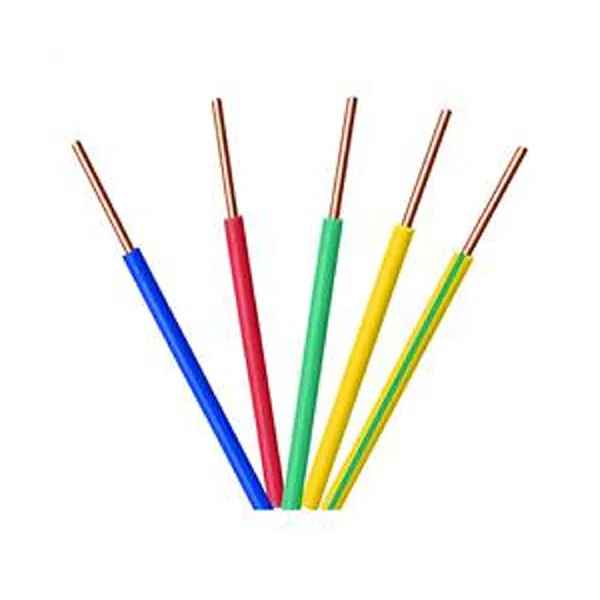
PVC Insulated Wires are electrical conductors coated with a layer of polyvinyl chloride insulation. The conductor is typically made of copper or aluminum, while the PVC coating acts as an electrical insulator and protective sheath.
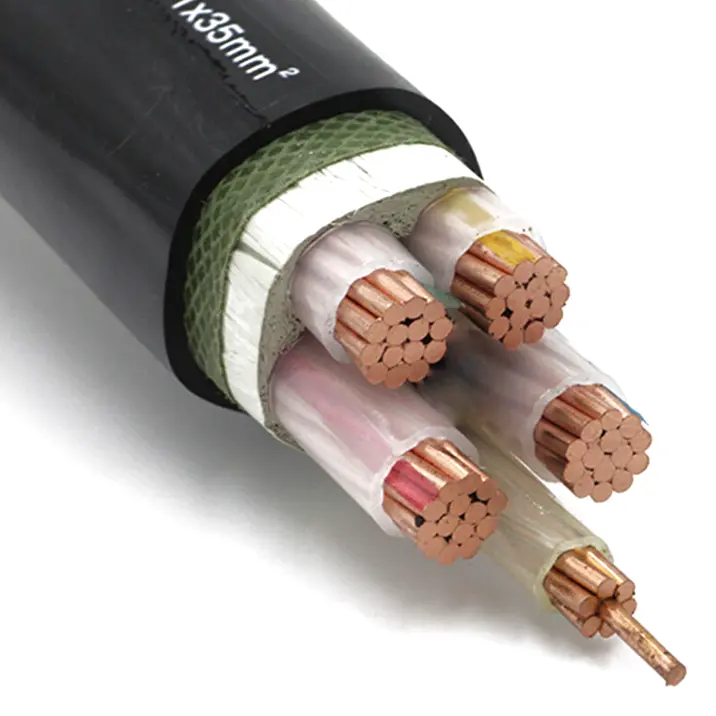
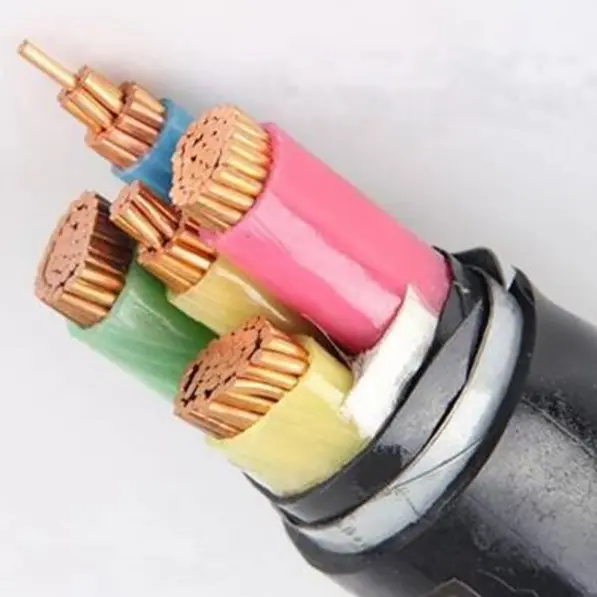
Basic Structure:
Conductor (Copper or Aluminum)
PVC Insulation Layer
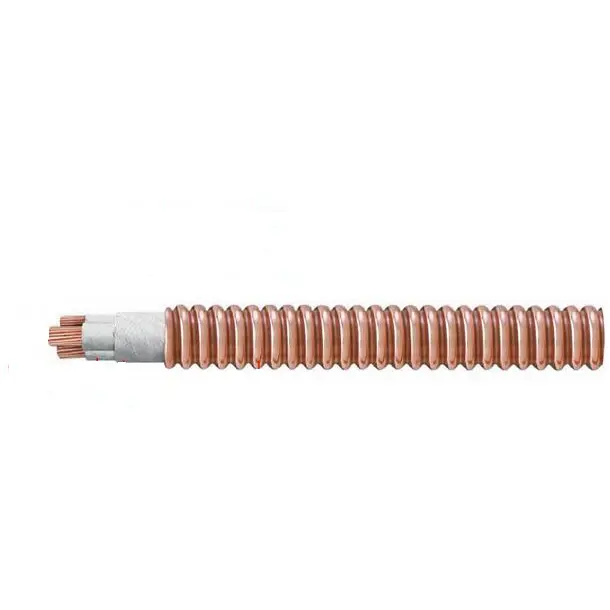
Optional Outer Sheath (for additional protection)
PVC insulation provides electrical isolation, mechanical protection, moisture resistance, and chemical stability. The flexibility of PVC makes it suitable for both fixed installations and flexible applications.
3. Key Features and Technical Advantages
Electrical Insulation Performance
PVC has excellent dielectric properties, preventing leakage currents and reducing the risk of electrical shock.
Flame Retardant Properties
High-quality PVC Insulated Wires are flame-retardant, limiting fire propagation and enhancing building safety.
Mechanical Strength
The PVC layer protects against abrasion, impact, and environmental damage, extending service life.
Moisture and Chemical Resistance
PVC performs well in humid environments and resists oils, acids, and alkalis, making it suitable for industrial settings.
Cost Efficiency
Compared to advanced insulation materials, PVC offers excellent performance at a competitive price point.
4. PVC Insulated Wires vs Other Insulation Types
Feature
PVC Insulation
XLPE Insulation
Rubber Insulation
Temperature Rating
Up to 70–90°C
Up to 90–110°C
Up to 60–90°C
Cost
Economical
Higher
Moderate
Flexibility
Good
Moderate
Excellent
Flame Retardant
Yes
Yes
Varies
Common Use
Building wiring
Power distribution
Portable cables
While XLPE may offer higher temperature tolerance, PVC Insulated Wires remain the preferred solution for standard building and low-voltage applications due to affordability and proven reliability.
5. Common Applications and Use Cases
Residential building wiring
Commercial office installations
Industrial control systems
Lighting circuits
Switchboards and distribution panels
Underground conduit installations
In construction projects, PVC Insulated Wires are commonly used for internal wiring because they are easy to install and meet safety regulations.
6. Technical Specifications and Standards
When purchasing PVC Insulated Wires, understanding technical parameters is crucial:
Rated Voltage (e.g., 300/500V, 450/750V)
Conductor Size (mm² or AWG)
Operating Temperature
Flame Retardant Rating
Compliance with IEC, BS, or national standards
Reliable manufacturers such as Tianjin Beida Wire & Cable Group Co., Ltd. ensure that products meet international safety and performance requirements.
7. How to Choose the Right PVC Insulated Wire
Determine Load Requirements
Calculate the expected current load to select appropriate conductor size.
Consider Environmental Conditions
High humidity, exposure to chemicals, or outdoor conditions may require enhanced PVC formulations.
Check Compliance Certifications
Always verify compliance documentation from the supplier.
Select a Trusted Manufacturer
Working with established companies such as Tianjin Beida Wire & Cable Group Co., Ltd. ensures consistent quality, strict testing procedures, and reliable delivery schedules.
8. Installation and Safety Guidelines
Avoid exceeding rated current capacity
Do not bend wires beyond recommended radius
Use appropriate protective conduits
Ensure proper grounding
Conduct insulation resistance testing before commissioning
Professional installation minimizes risk and ensures long-term system stability.
9. Maintenance and Service Life
Under normal operating conditions, PVC Insulated Wires can last 20–30 years. Regular inspection should include:
Checking for insulation cracks
Monitoring temperature rise
Inspecting connections for corrosion
High-quality products from Tianjin Beida Wire & Cable Group Co., Ltd. undergo rigorous aging and performance testing to ensure durability.
10. Why Work with Tianjin Beida Wire & Cable Group Co., Ltd.
Tianjin Beida Wire & Cable Group Co., Ltd. is recognized for manufacturing high-performance PVC Insulated Wires with strict quality control processes. The company offers:
Advanced production equipment
Comprehensive product testing
Customized cable solutions
Global export experience
Responsive technical support
By partnering with Tianjin Beida Wire & Cable Group Co., Ltd., customers gain access to dependable products tailored to project-specific requirements.
11. Frequently Asked Questions (FAQ)
Are PVC Insulated Wires safe for residential use?
Yes, they are widely used in residential wiring due to their flame-retardant properties and reliable insulation performance.
What temperature can PVC Insulated Wires withstand?
Typically 70°C to 90°C, depending on formulation and standards.
Can PVC Insulated Wires be used outdoors?
They can be used outdoors when installed in protective conduits or when designed with UV-resistant properties.
How do I know the correct wire size?
Wire size depends on current load, voltage drop requirements, and installation method. Consult technical specifications or a qualified engineer.
What is the difference between PVC and XLPE insulation?
XLPE offers higher temperature tolerance, while PVC provides cost-effective performance for most standard applications.
12. Conclusion
PVC Insulated Wires remain a cornerstone of modern electrical infrastructure due to their reliability, safety, flexibility, and affordability. Whether you are managing a residential installation or a large-scale industrial project, selecting the right wire specification and supplier is critical to ensuring long-term performance.
If you are looking for dependable PVC Insulated Wires manufactured to strict quality standards, Tianjin Beida Wire & Cable Group Co., Ltd. is ready to support your project with customized solutions and professional technical assistance. Contact us today to discuss your requirements and receive expert guidance tailored to your needs.
We use cookies to offer you a better browsing experience, analyze site traffic and personalize content. By using this site, you agree to our use of cookies.
Privacy Policy