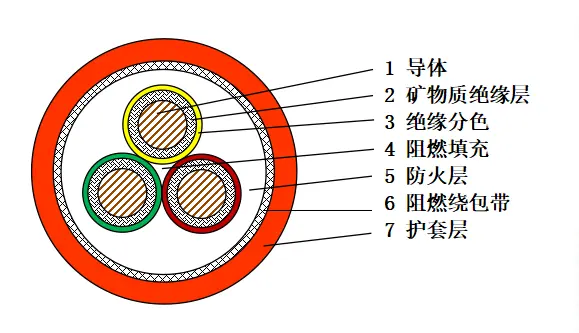
Understanding the BBTRZ Cable Construction
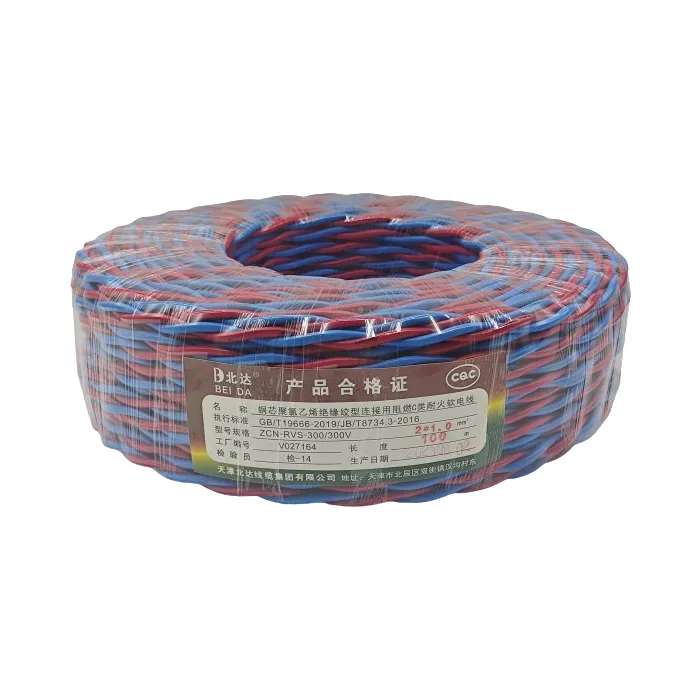
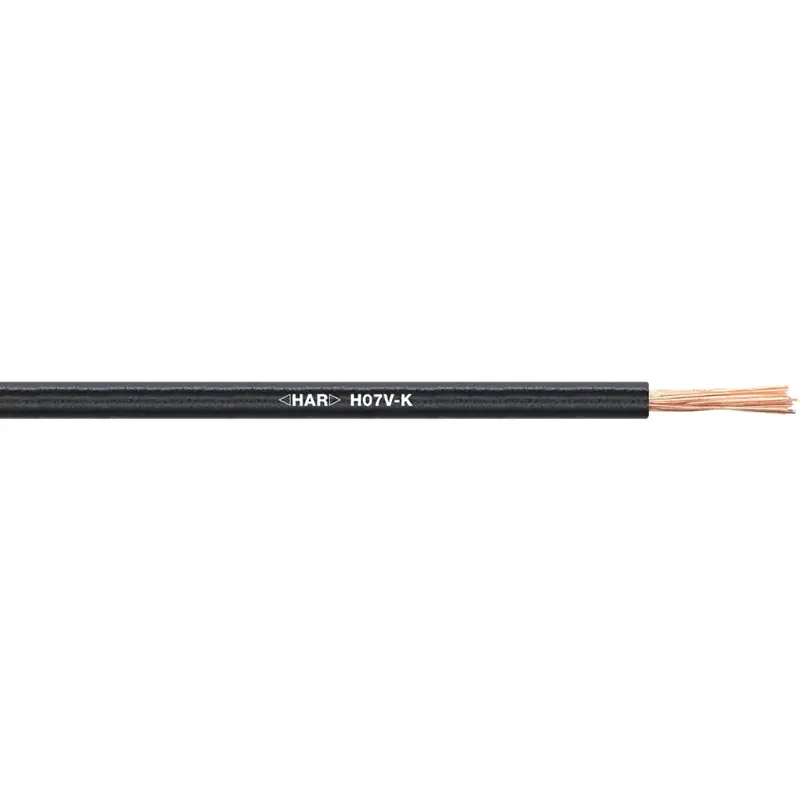
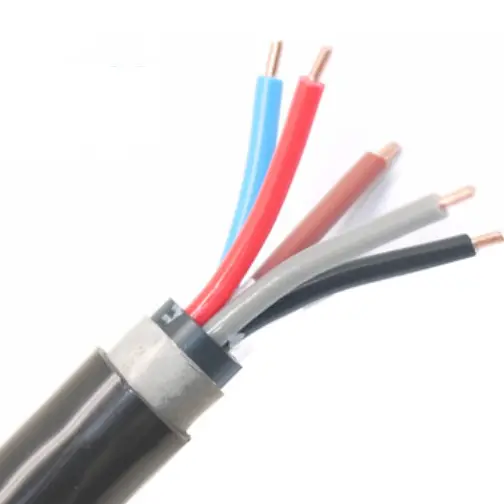
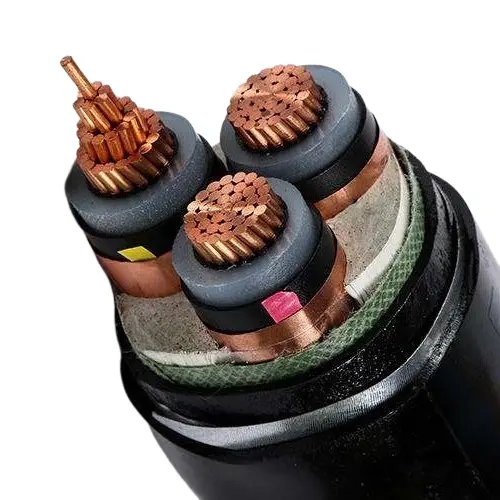
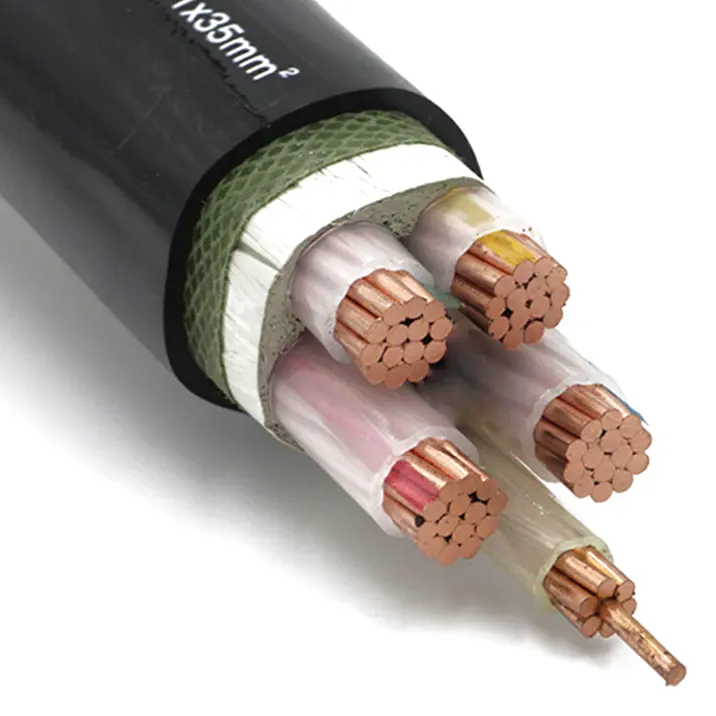
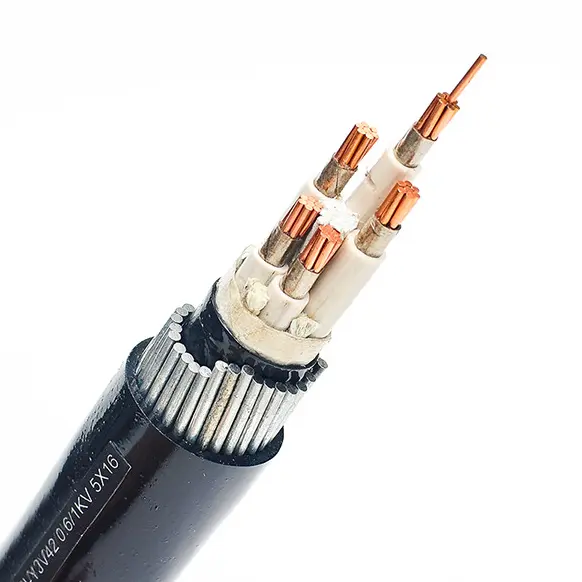
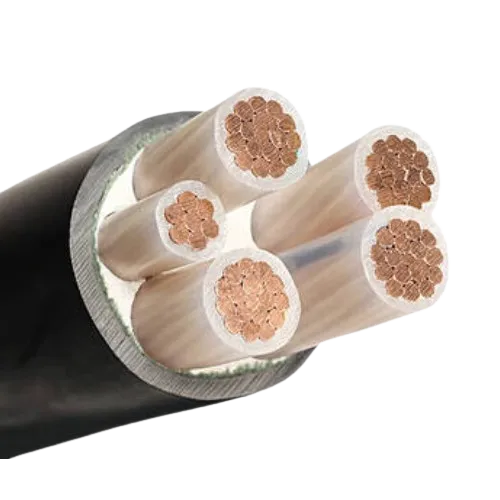
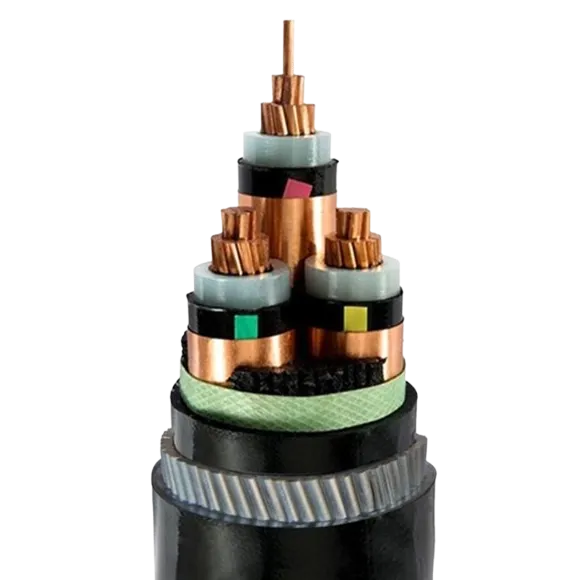
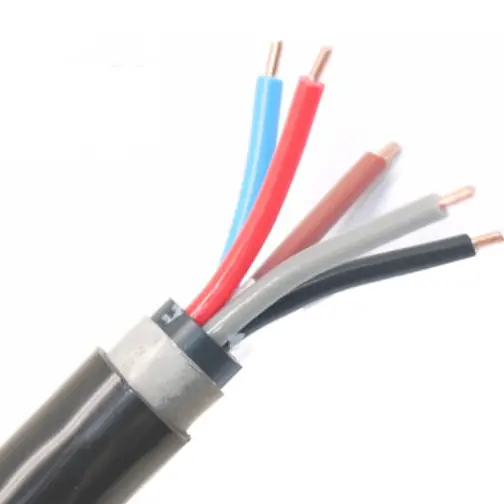
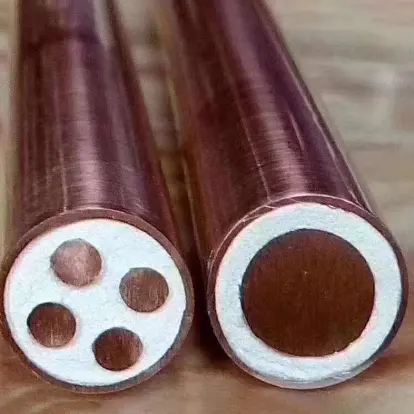
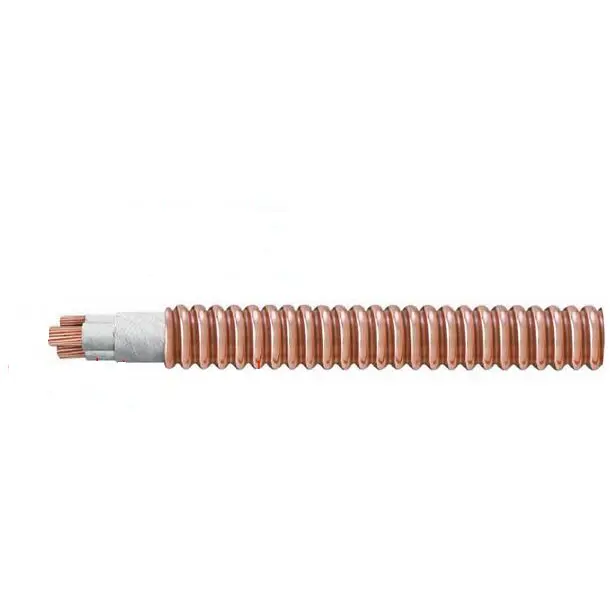
The BBTRZ Flexible Fire-resistant Cables are engineered with a multi-layer design that prioritizes both safety and operational flexibility. At the core, stranded copper conductors provide excellent electrical conductivity while maintaining the cable's bendability. Surrounding the conductor is a layer of mineral insulation, typically composed of magnesium oxide or similar compounds, which acts as the primary barrier against heat transfer[reference:0]. This mineral layer is what enables the cable to continue functioning even when exposed to direct flame.
An outer sheath made of low-smoke, halogen-free (LSZH) material provides additional protection against mechanical damage and environmental factors. This sheath is formulated to emit minimal toxic fumes when exposed to fire, making the BBTRZ Flexible Fire-resistant Cables suitable for enclosed spaces such as tunnels, high-rise buildings, and underground transit systems. The combination of mineral insulation and LSZH sheathing results in a cable that not only resists fire but also contributes to safer evacuation conditions during emergencies.
Fire Resistance Performance and Testing Standards
One of the defining characteristics of the BBTRZ Flexible Fire-resistant Cables is its ability to maintain circuit integrity under extreme thermal stress. These cables are designed to withstand temperatures up to 1,000°C for extended periods, a performance metric verified through rigorous testing protocols[reference:1]. Standard fire resistance tests, such as those specified in IEC 60331, subject the cable to direct flame while maintaining a continuous electrical load. The BBTRZ design consistently meets or exceeds these requirements, ensuring that critical systems remain operational during a fire event.
Beyond flame resistance, the cable also demonstrates excellent performance in water spray and mechanical shock tests, which simulate real-world firefighting conditions. The mineral insulation does not degrade or melt under heat, preventing the short circuits that often occur with conventional polymeric cables. This reliability makes the BBTRZ Flexible Fire-resistant Cables a trusted solution for emergency lighting, fire pumps, and evacuation systems in large-scale infrastructure projects.
Key Performance Indicators
- Flame temperature endurance — up to 1,000°C for 180 minutes
- Circuit integrity — maintains voltage under fire conditions
- Smoke emission — low toxicity, minimal obscuration
- Water resistance — functional after sprinkler activation
Flexibility Advantages in Tight Installations
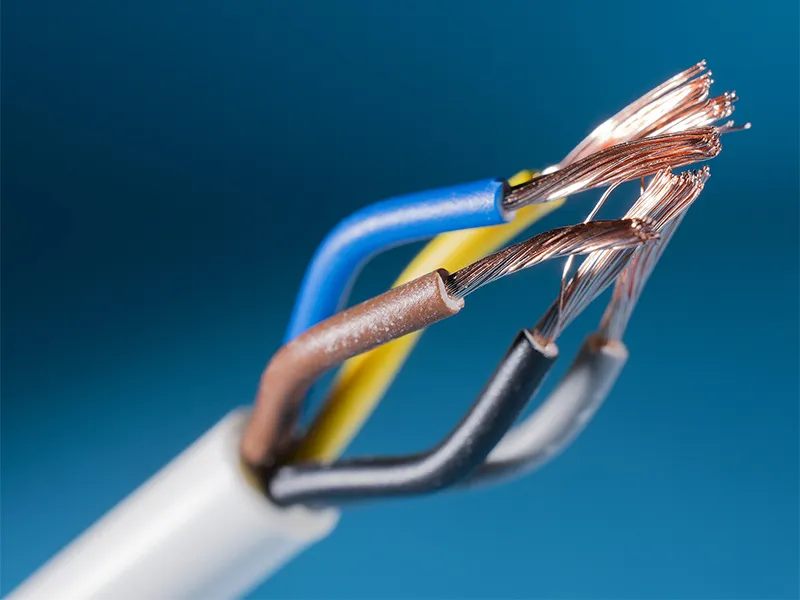
Traditional mineral-insulated cables, while fire-resistant, are often rigid and difficult to route in confined spaces. The BBTRZ Flexible Fire-resistant Cables address this limitation through a carefully designed stranding process that preserves bendability without compromising the protective mineral layer. This flexibility allows installers to navigate around obstacles, through narrow conduits, and within equipment cabinets with minimal effort. The cable's minimum bending radius is significantly smaller than that of conventional MI cables, reducing the need for additional junction boxes or transition fittings.
This installation flexibility translates directly into reduced project timelines and lower material waste. In retrofit projects, where existing pathways are often constrained, the BBTRZ cable can be pulled through existing conduits without the risk of damaging the insulation. The outer sheath is also abrasion-resistant, providing additional protection during pulling operations. Field reports indicate that installation times can be reduced by up to 30% compared to rigid MI cables, making the BBTRZ series a practical choice for both new builds and renovation work.
Comparative Analysis with Other Fire-resistant Cables
To fully appreciate the value proposition of the BBTRZ Flexible Fire-resistant Cables, it is helpful to compare its attributes with other common fire-resistant cable types. The table below summarizes key differentiators across several performance and installation criteria.
| Feature | BBTRZ Flexible | Standard MI Cable | Fire-resistant PVC |
|---|---|---|---|
| Max Operating Temperature | 1,000°C | 1,000°C | 250°C |
| Flexibility (Bending Radius) | 6× cable diameter | 12× cable diameter | 8× cable diameter |
| Smoke Emission | Low (LSZH) | Zero (mineral) | High (halogen) |
| Installation Complexity | Low | High | Medium |
| Typical Applications | High-rises, tunnels, data centers | Industrial, nuclear | General building |
The table highlights that while standard MI cables offer similar temperature endurance, the BBTRZ variant provides superior flexibility and lower installation complexity. Fire-resistant PVC cables, on the other hand, are limited by their lower temperature tolerance and higher smoke emissions. For projects where both fire safety and installation efficiency are priorities, the BBTRZ series offers a balanced solution that meets the most demanding requirements.
Installation Best Practices and Handling
Proper installation is essential to fully realize the benefits of the BBTRZ Flexible Fire-resistant Cables. The following guidelines are recommended by industry experts to ensure optimal performance and longevity.
- Cable preparation — Strip the outer sheath carefully to avoid nicking the mineral insulation. Use specialized stripping tools designed for MI cables.
- Bending radius — Maintain a minimum bending radius of 6 times the cable diameter. Avoid sharp bends that could compromise the insulation layer.
- Termination — Use approved termination kits that provide moisture sealing and strain relief. Proper termination is critical to prevent moisture ingress, which can degrade the mineral insulation over time.
- Support spacing — Secure the cable at intervals recommended by the manufacturer, typically every 1.5 to 2 meters, to prevent sagging and mechanical stress.
- Testing — After installation, perform insulation resistance and continuity tests to verify the integrity of the cable system. Document all test results for future reference.
Adhering to these practices ensures that the cable's fire-resistant properties are fully preserved throughout its service life. The BBTRZ Flexible Fire-resistant Cables are designed for durability, but like all precision-engineered products, they benefit from careful handling during installation.
Frequently Asked Questions
Beida — engineered for safety, built for performance.