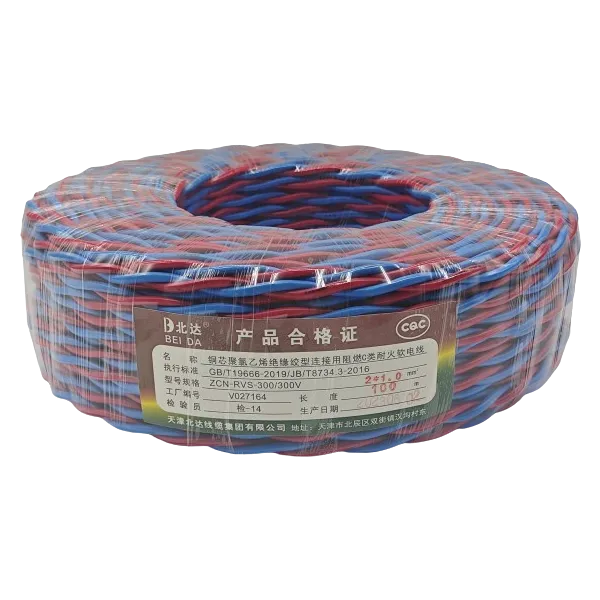
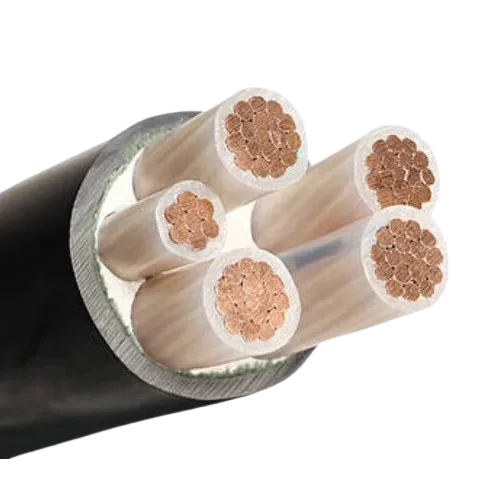
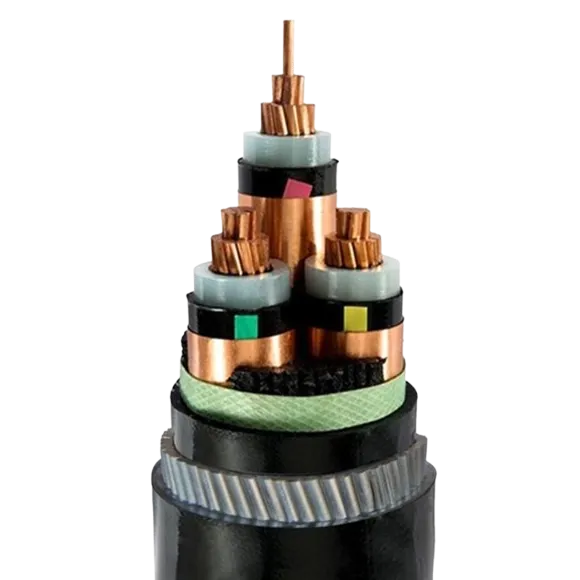
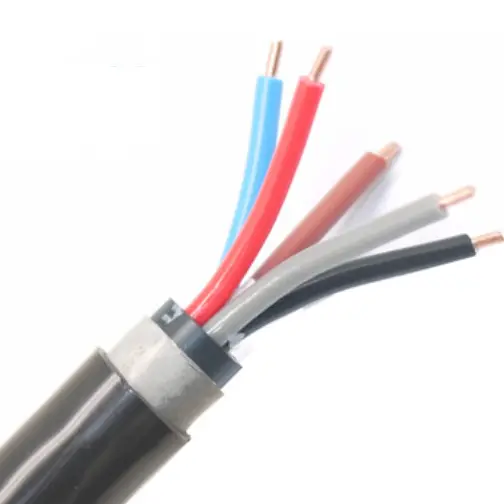
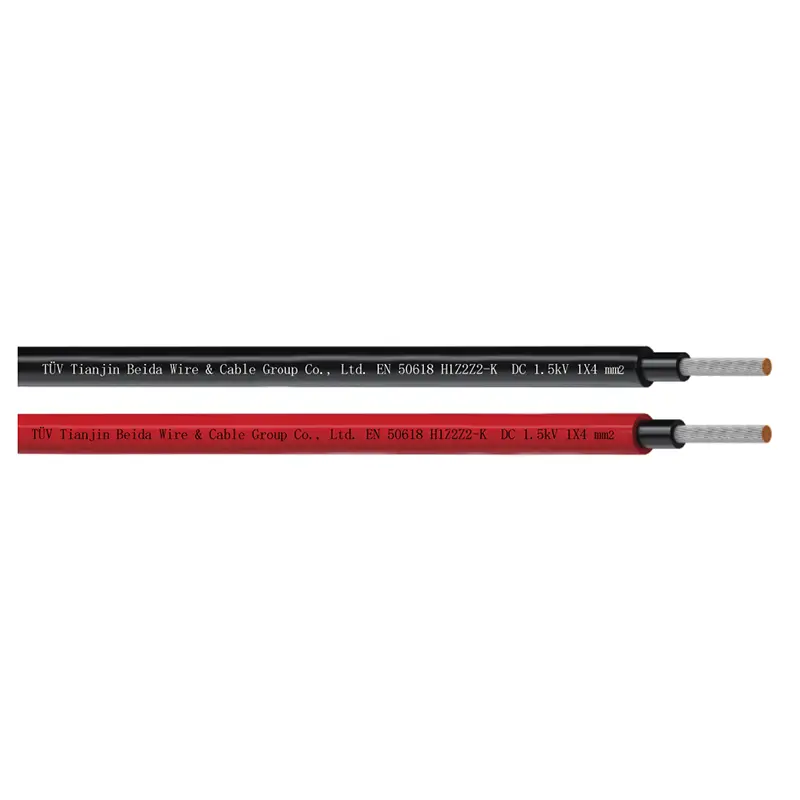
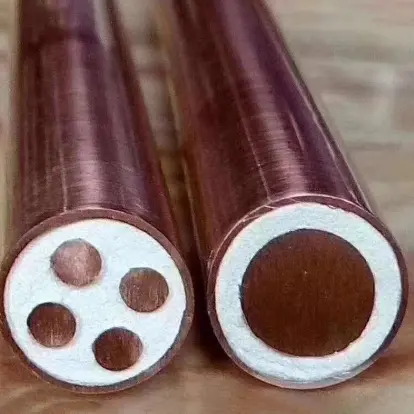
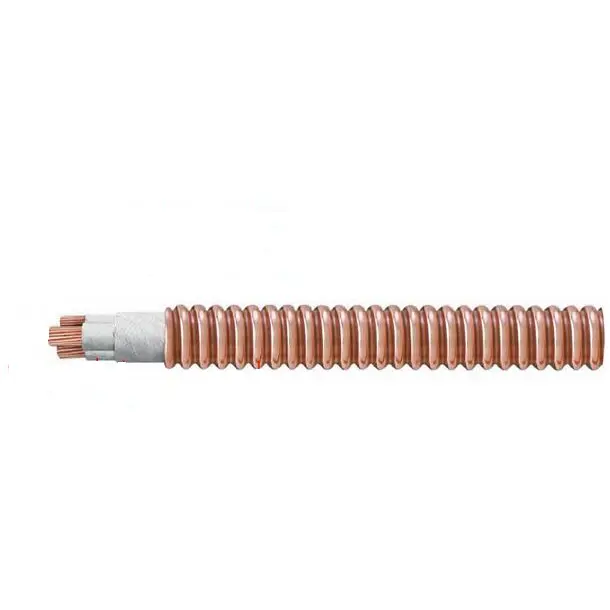
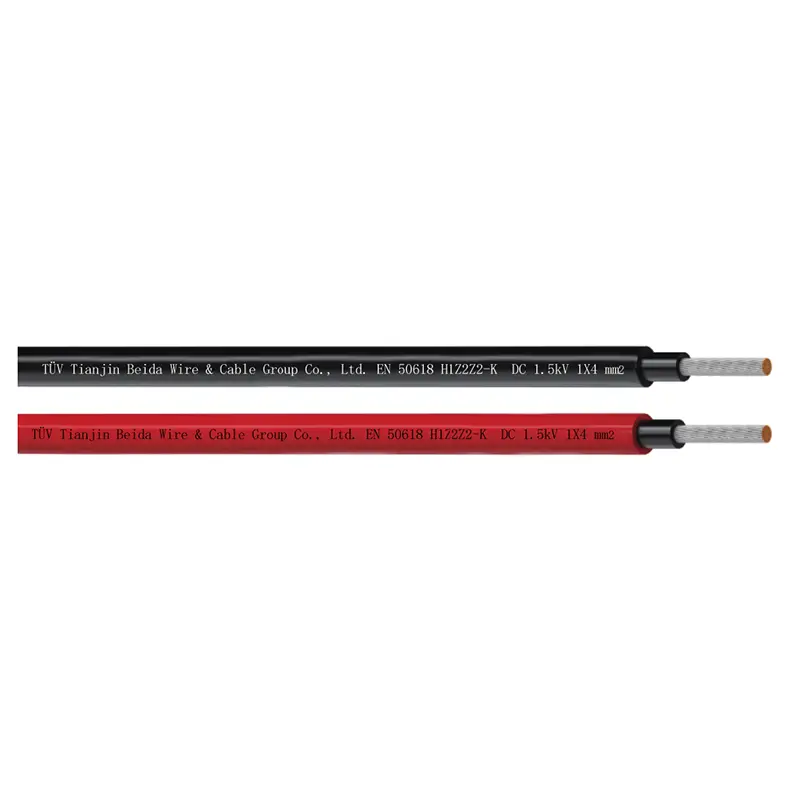
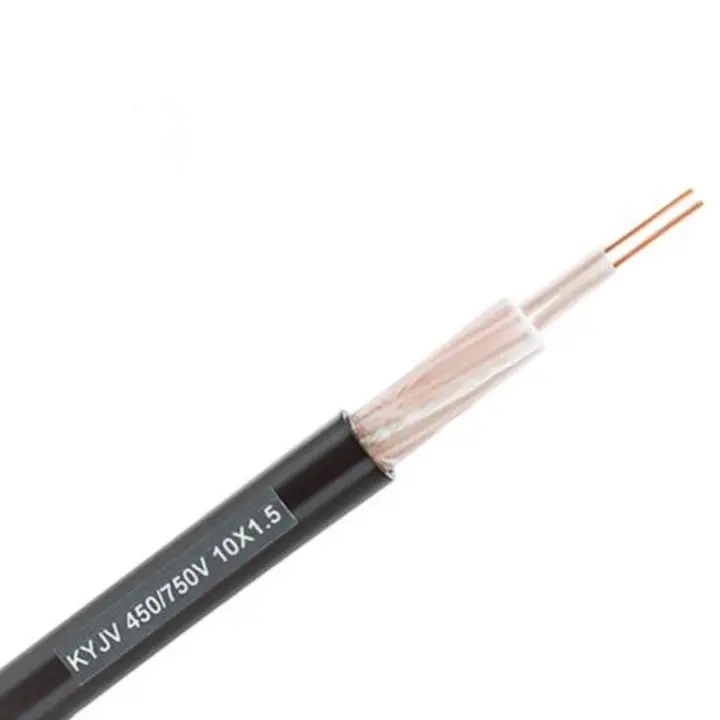
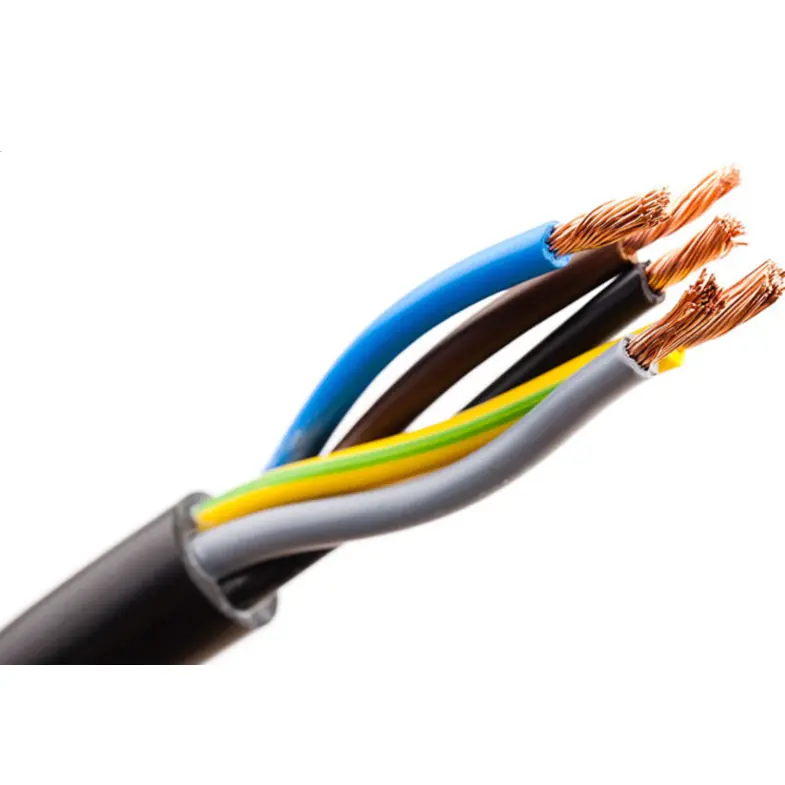
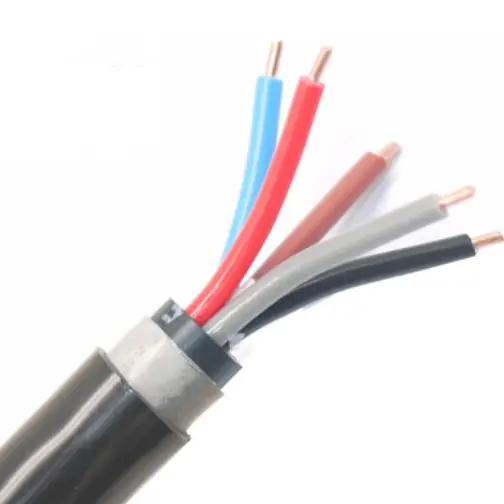
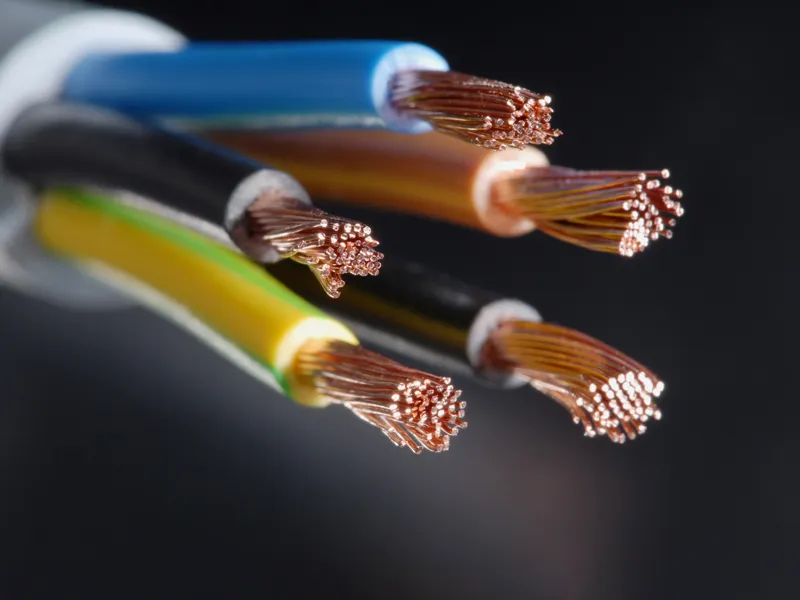
In the thriving wire and cable industry, Beida Group stands out with its profound industry experience and strong technical capabilities. New Energy Cables, a key product of Beida Group, is demonstrating immense development potential as the new energy industry rises.
What are New Energy Cables?
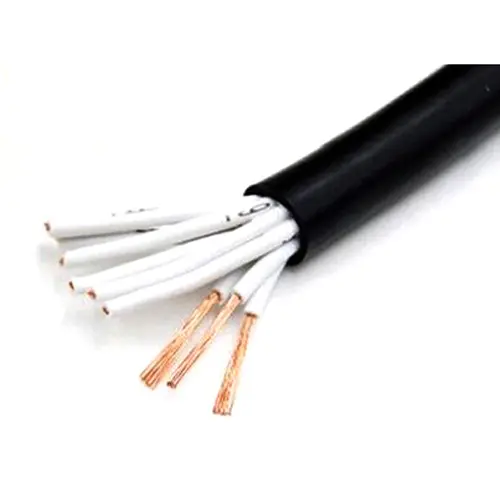
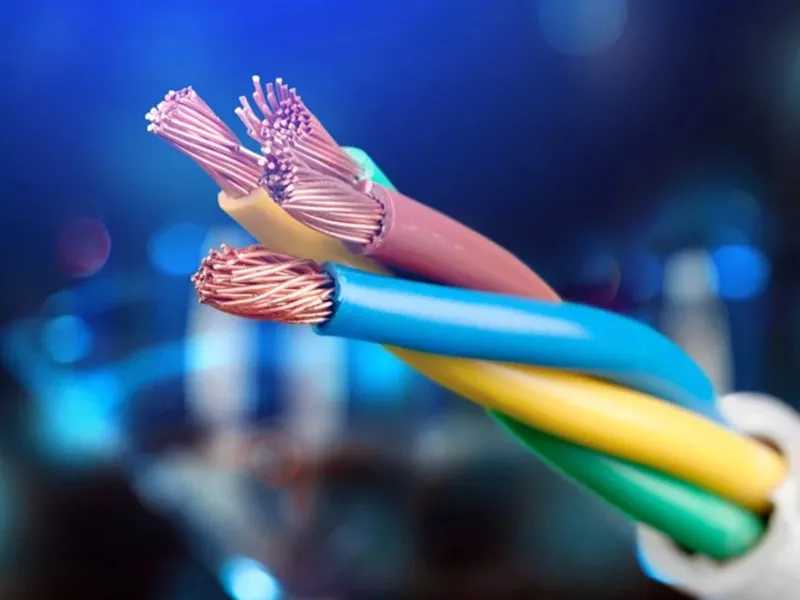
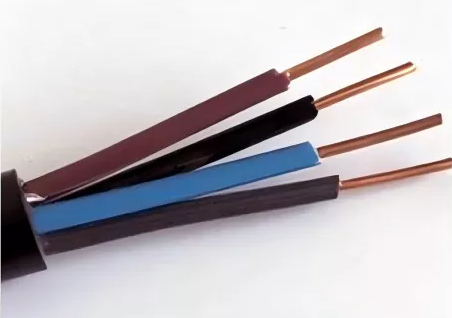
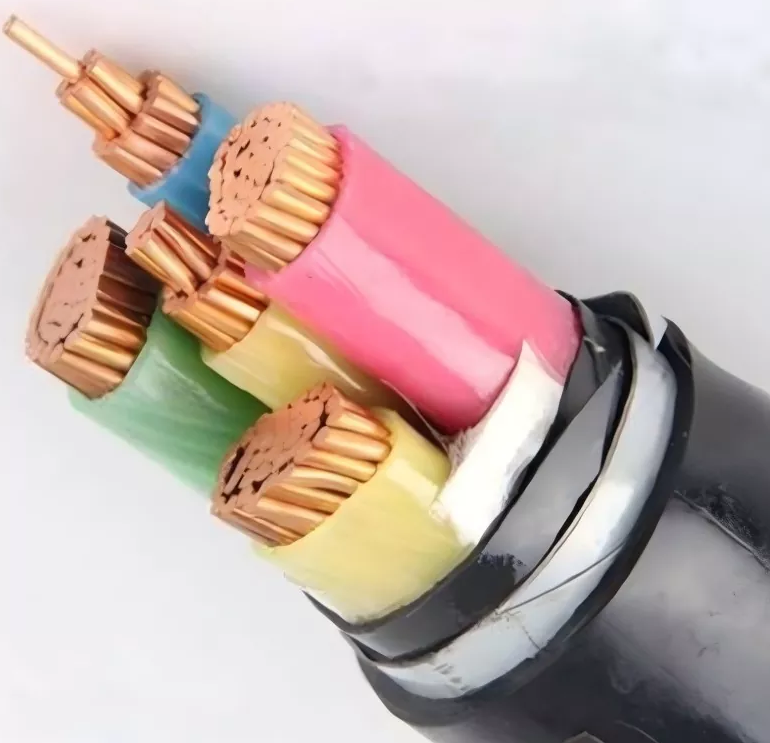
New Energy Cables are wires and cables designed and manufactured by Beida Group, a professional manufacturer, specifically for the new energy industry. Unlike traditional cables, they are designed to meet the unique environmental conditions and requirements of new energy generation, transmission, and utilization.
Whether in solar, wind, or hydropower, new energy cables play a crucial role in efficiently and reliably transmitting the generated electricity to various power consumption points, serving as the indispensable "lifeline" for the normal operation of new energy systems.
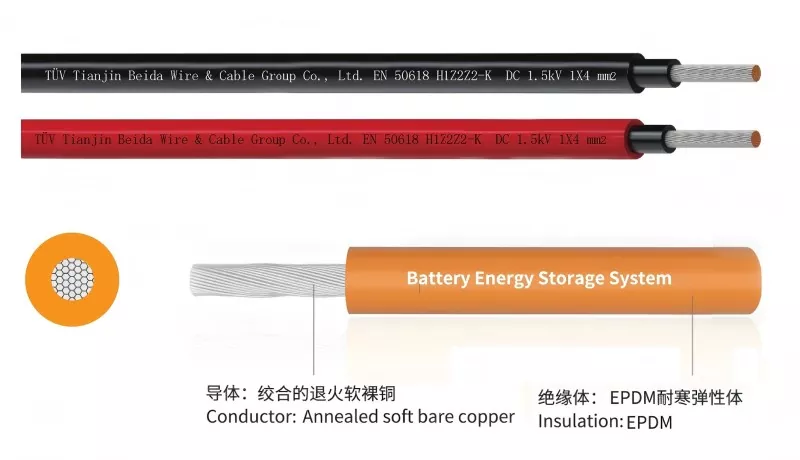
Product Voltage Range
Beida Group manufactures new energy cables with a wide range of voltage options, meeting the needs of various new energy applications.
In the field of solar power generation, from small-scale distributed photovoltaic power systems to large-scale centralized photovoltaic power plants, the cable voltage levels range from hundreds of volts to tens of thousands of volts.
For distributed photovoltaic systems, lower voltages facilitate installation and connection to the household power grid; while in large-scale photovoltaic power plants, higher voltages reduce energy loss during transmission and improve energy utilization efficiency.
In the field of wind power generation, the appropriate voltage level is also selected based on the power output of the wind turbine and the transmission distance, ensuring that the electricity generated from wind power can be stably transmitted to the power grid.
Product Model
Our cable product range is diverse, and the selection of cable parameters such as conductor cross-sectional area, insulation material, and sheath material depends on different new energy application scenarios, transmission power, and environmental conditions.
For example, in offshore wind farms, due to the harsh environment, the cables require extremely high corrosion resistance and waterproofing. Beida Group provides cable models with special sheath materials;
While for onshore solar power plants, considering cost and ease of installation, we recommend more cost-effective models. This wide range of options allows Beida Group's new energy cables to meet the individualized needs of different customers.
Product Features
Beida Group's New Energy Cables possess many excellent characteristics.
Firstly, they offer superior insulation performance, utilizing special insulating materials that effectively prevent leakage and short circuits, ensuring safe and reliable power transmission.
Secondly, the cables have excellent weather resistance and aging resistance, enabling them to operate stably for extended periods in harsh environments such as high and low temperatures and under ultraviolet radiation, reducing maintenance costs and replacement frequency.
Furthermore, these new energy cables also have high flexibility and tensile strength, facilitating installation and laying, especially in complex terrain new energy projects, where they can easily handle various installation challenges.
Application Areas
New energy cables have an extremely wide range of applications, covering almost the entire new energy industry:
In the solar energy field, from the connecting cables of photovoltaic panels to the transmission cables of photovoltaic power plants, new energy cables are indispensable.
In the wind energy field, the cables inside wind turbine generators and the cables that transmit electricity to the power grid are important application scenarios for new energy cables.
In other new energy fields such as hydropower and bioenergy, new energy cables also play a crucial role, providing reliable power transmission guarantees for the development and utilization of new energy.
In today's world of increasing environmental awareness, Beida Group's new energy cables actively respond to the concept of green development. The cables use environmentally friendly materials in the production process, reducing environmental pollution. At the same time, their efficient and stable power transmission performance helps improve the utilization efficiency of new energy, reduce the consumption of traditional energy, and lower carbon emissions, contributing to the sustainable development of the new energy industry and the achievement of carbon neutrality goals.