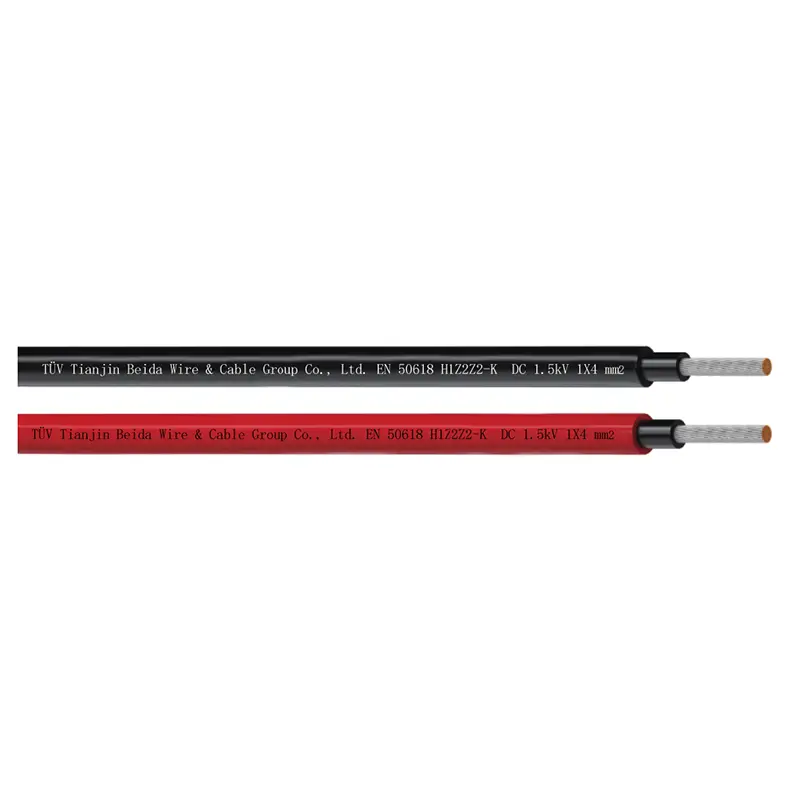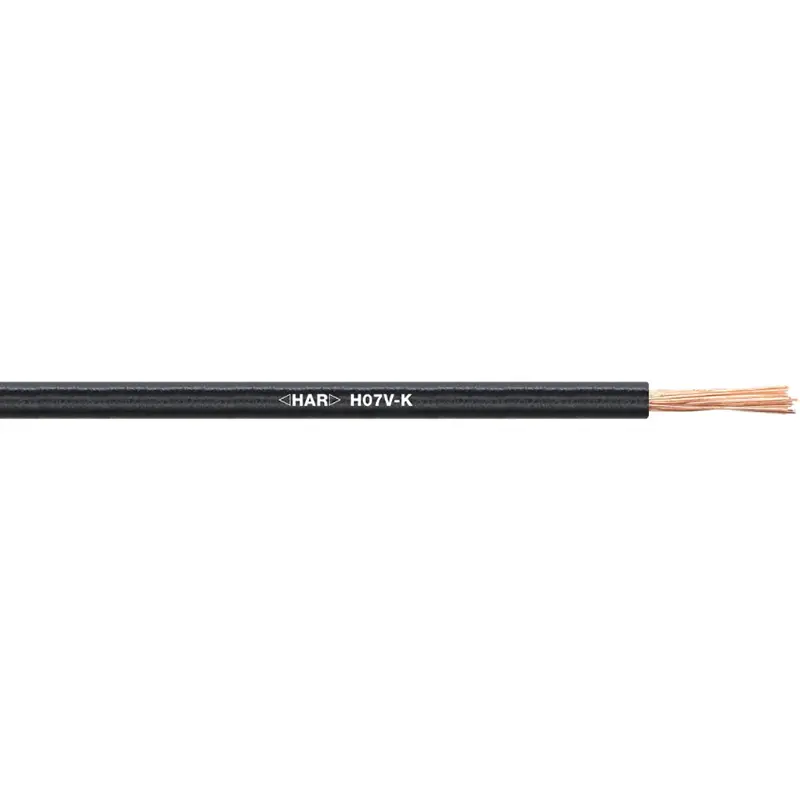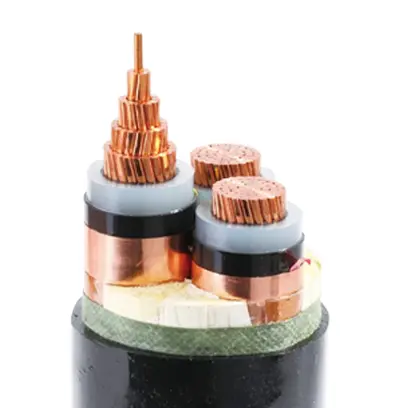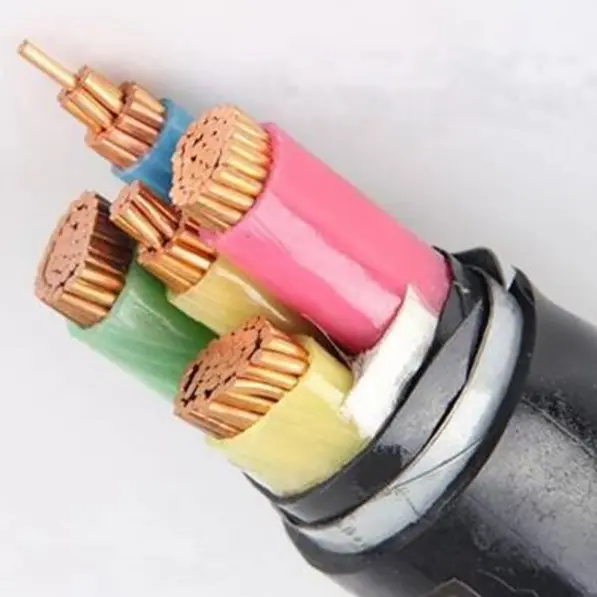
IEC 60227 Single Core PVC Cable is one of the most widely used electrical conductors in residential, commercial, and industrial wiring systems. This article explains its structure, standards, applications, advantages, installation guidelines, and safety considerations in detail. It also addresses common customer concerns such as durability, overheating risks, and proper selection methods to help ensure safe and efficient electrical systems.
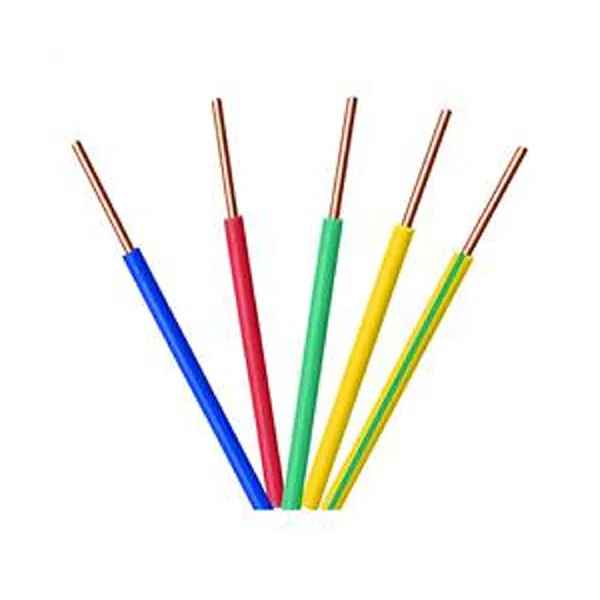
Table of Contents
- Introduction to IEC 60227 Single Core PVC Cable
- Understanding IEC 60227 Standard
- Cable Structure and Materials
- Technical Specifications
- Key Advantages
- Application Scenarios
- Installation Guidelines
- Comparison with Other Cable Types
- Common Issues & Troubleshooting
- Frequently Asked Questions
- Conclusion & Industry Insight
- Contact Information
Introduction to IEC 60227 Single Core PVC Cable
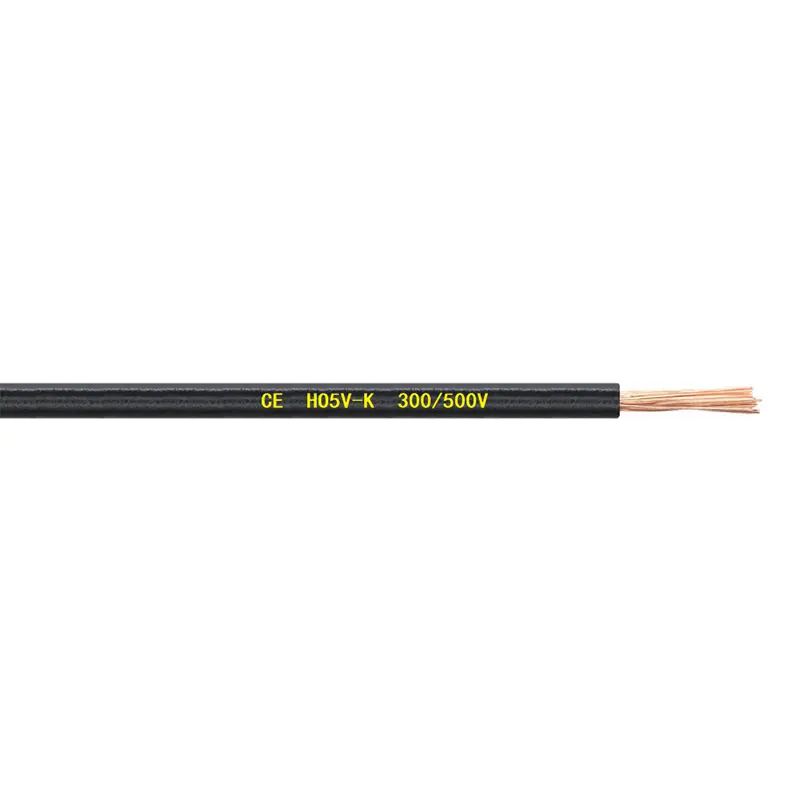
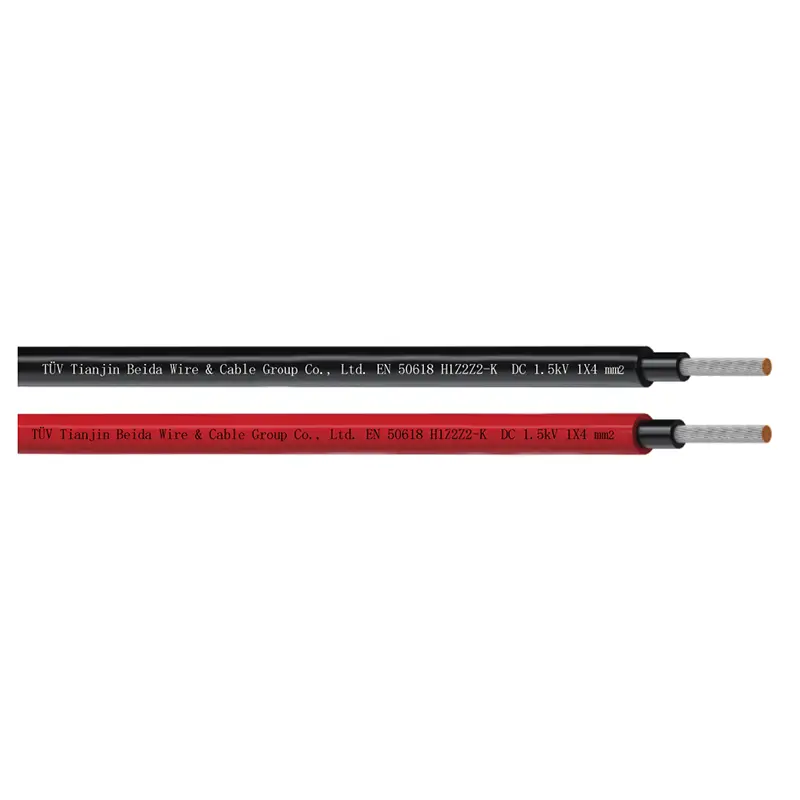
IEC 60227 Single Core PVC Cable is a fundamental component in electrical distribution systems worldwide. It consists of a single copper conductor insulated with high-quality PVC material, designed to transmit electricity safely and efficiently in low-voltage applications.
Its popularity comes from its balance of affordability, safety, flexibility, and compliance with international standards. Whether used in home wiring or industrial panels, this cable remains a trusted solution for stable electrical performance.
Understanding IEC 60227 Standard
The IEC 60227 standard defines requirements for polyvinyl chloride insulated cables with rated voltages up to 450/750V. It ensures uniform quality, safety, and performance across manufacturers worldwide.
- Ensures insulation integrity under electrical load
- Defines conductor material and resistance limits
- Sets temperature and voltage performance requirements
- Guarantees mechanical durability under normal conditions
By following this standard, manufacturers ensure that cables perform reliably in real-world environments, reducing risks of electrical failure.
Cable Structure and Materials
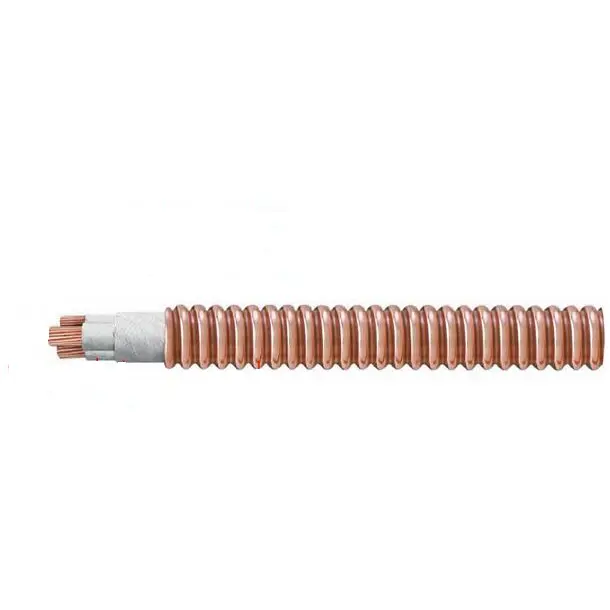
The IEC 60227 Single Core PVC Cable typically includes:
- Conductor: High-purity copper for excellent conductivity
- Insulation: Polyvinyl chloride (PVC) for electrical and mechanical protection
- Optional Sheathing: Additional protective layers for specific applications
The simplicity of a single-core design reduces energy loss and makes installation easier, especially in controlled wiring environments such as panels and switchboards.
Technical Specifications
| Parameter | Specification |
|---|---|
| Standard | IEC 60227 |
| Voltage Rating | 300/500V – 450/750V |
| Conductor Material | Copper (Annealed, Class 1 or 2) |
| Insulation | PVC (Polyvinyl Chloride) |
| Temperature Range | -15°C to +70°C (operating) |
| Core Type | Single Core |
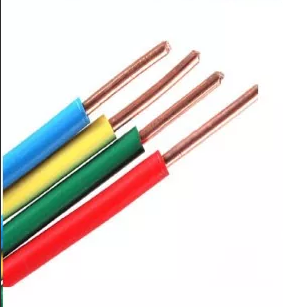
| Color Options | Red, Black, Blue, Green/Yellow |
Key Advantages
IEC 60227 Single Core PVC Cable is widely preferred due to its balanced performance characteristics.
- High Electrical Safety: Stable insulation prevents leakage currents
- Excellent Flexibility: Easy routing in conduits and panels
- Cost Efficiency: Economical solution for large-scale wiring
- Durability: Resistant to moisture and moderate chemical exposure
- Standard Compliance: Globally accepted quality assurance
Application Scenarios
This cable is widely used across different sectors:
- Residential building wiring systems
- Commercial office electrical distribution
- Industrial control panels
- Lighting circuits and switchboards
- Equipment internal wiring
Its versatility makes it suitable for both new installations and maintenance upgrades.
Installation Guidelines
Proper installation significantly extends cable lifespan and prevents electrical hazards.
- Do not exceed recommended bending radius
- Avoid exposure to high heat sources
- Use appropriate conduit or trunking systems
- Ensure proper grounding and connection tightness
- Separate power and signal cables to reduce interference
Incorrect installation is one of the leading causes of cable failure, even when high-quality materials are used.
Comparison with Other Cable Types
| Feature | IEC 60227 Single Core PVC | Multi-Core Cable | XLPE Cable |
|---|---|---|---|
| Flexibility | High | Medium | Low |
| Heat Resistance | Moderate | Moderate | High |
| Cost | Low | Medium | High |
| Application | General wiring | Complex circuits | Heavy-duty systems |
Common Issues & Troubleshooting
- Overheating: Usually caused by overload or undersized cable selection
- Insulation Damage: Often due to mechanical stress or aging
- Voltage Drop: Long cable runs without proper sizing
- Loose Connections: Poor installation or vibration impact
Routine inspection helps detect early signs of failure and prevents costly downtime.
Frequently Asked Questions
Q1: What is the main use of IEC 60227 Single Core PVC Cable?
It is mainly used for low-voltage power distribution in residential, commercial, and industrial systems.
It is mainly used for low-voltage power distribution in residential, commercial, and industrial systems.
Q2: Is this cable suitable for outdoor use?
It can be used outdoors if properly protected with conduits or additional insulation.
It can be used outdoors if properly protected with conduits or additional insulation.
Q3: What is the lifespan of this cable?
Typically 15–25 years depending on installation conditions and load usage.
Typically 15–25 years depending on installation conditions and load usage.
Q4: Can it handle high temperature environments?
It is designed for moderate temperature conditions up to 70°C.
It is designed for moderate temperature conditions up to 70°C.
Conclusion & Industry Insight
IEC 60227 Single Core PVC Cable continues to be a cornerstone of modern electrical systems due to its balance of safety, cost, and performance. While newer materials exist, its reliability and compliance with international standards make it a preferred choice for engineers and contractors worldwide.
Selecting the right cable and ensuring proper installation are key factors that directly influence system safety and efficiency.
Contact Tianjin Beida Wire & Cable Group Co., Ltd.
As a professional manufacturer with extensive experience in wire and cable production, Tianjin Beida Wire & Cable Group Co., Ltd. provides high-quality IEC 60227 Single Core PVC Cables tailored to global industry standards.
For product inquiries, technical support, or customized solutions,
please feel free to contact us today and let our engineering team support your project with reliable cable solutions.
please feel free to contact us today and let our engineering team support your project with reliable cable solutions.