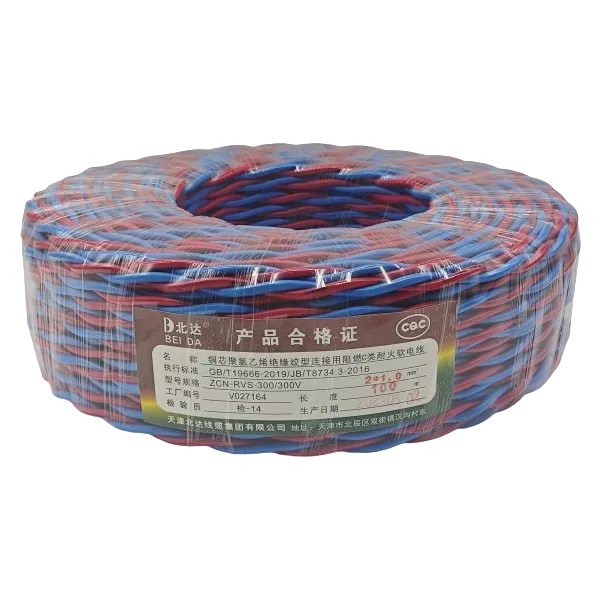
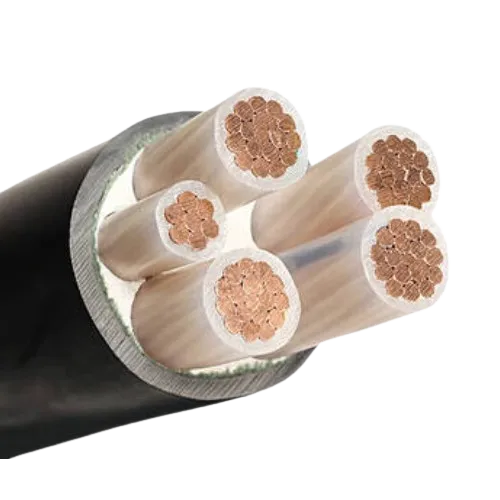
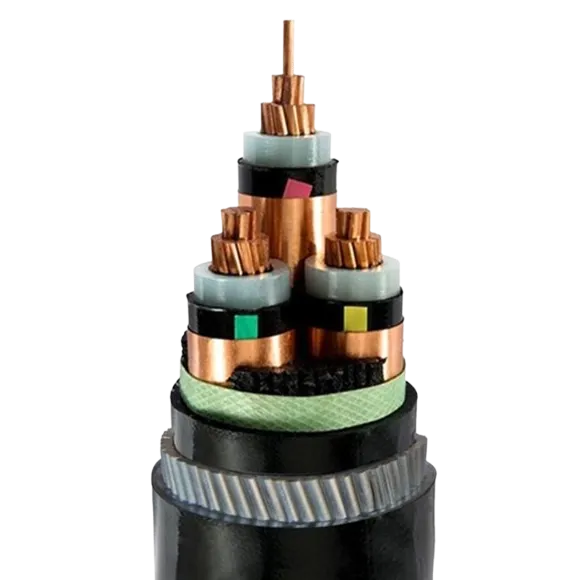
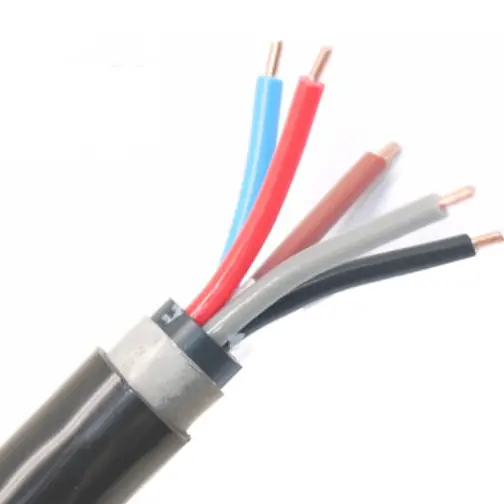
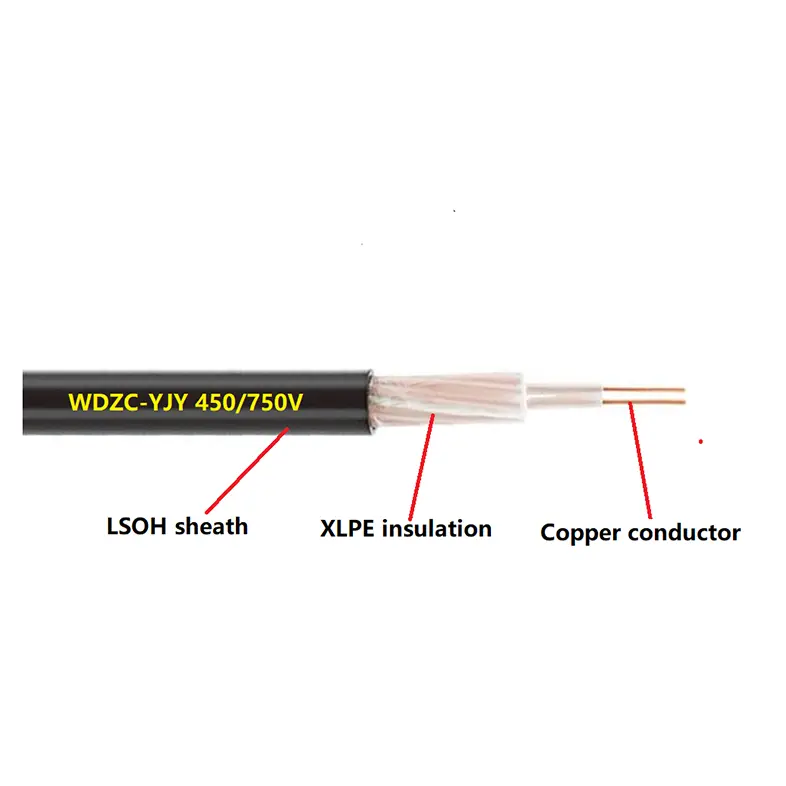
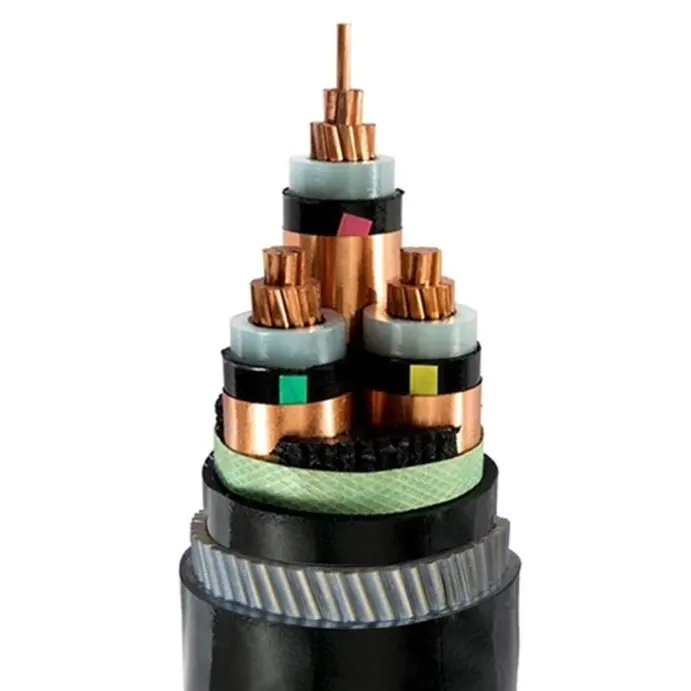
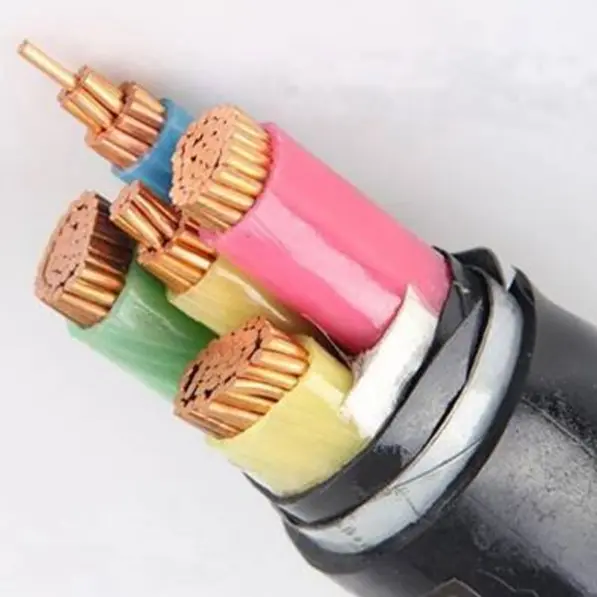
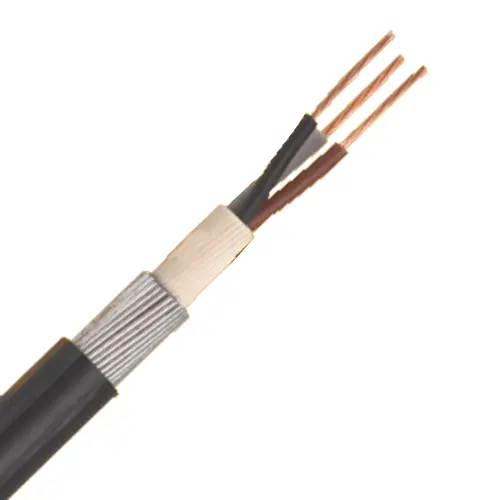
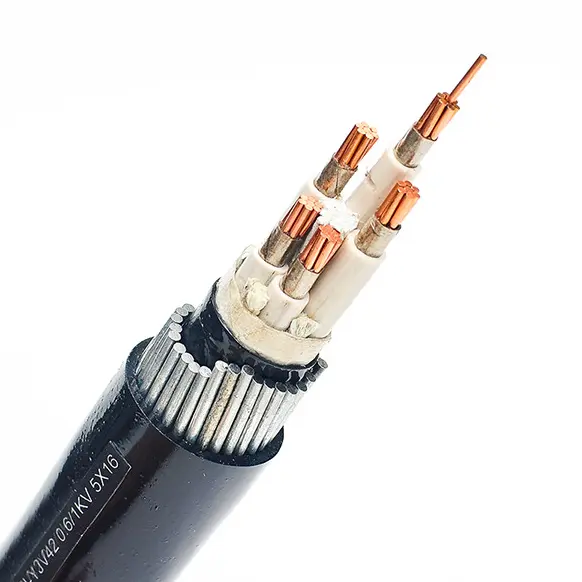
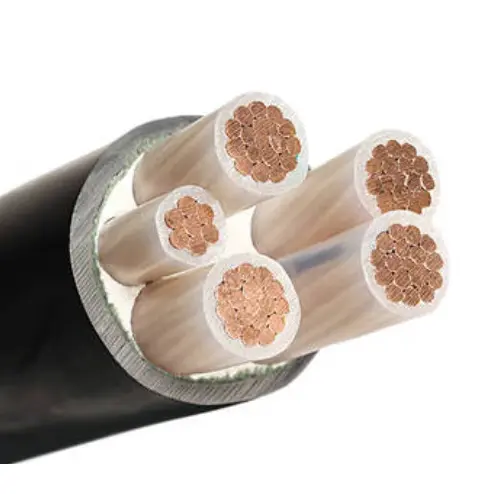
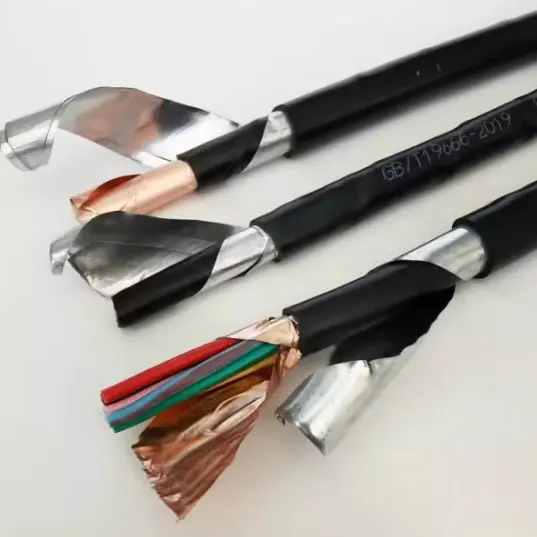
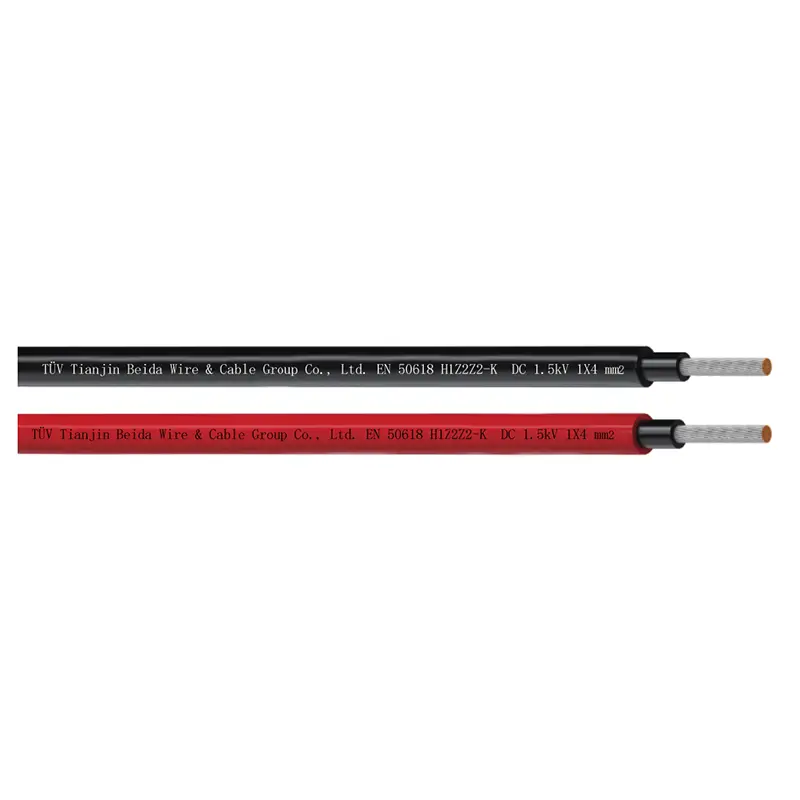
LSOH Control Cable Without Armour 450/750V is designed for control circuits that require dependable signal transmission and low-smoke, halogen-free cable materials. With a rated voltage of 450/750V, this cable type can be considered for electrical control systems in commercial buildings, industrial facilities, and other installations where smoke and corrosive gas emissions are important fire-safety considerations. Cable selection should account for conductor size, core count, insulation and sheath materials, installation conditions, and applicable standards.
LSOH stands for low smoke and halogen-free. Under fire conditions, suitable LSOH cable materials are intended to limit smoke generation and avoid the release of halogen-containing gases from those materials. These characteristics can be important in buildings and facilities where evacuation visibility and protection of electrical equipment are considered in the fire-safety design.
The term 450/750V identifies the cable's rated voltage. Without armour means the cable does not have a metallic armour layer designed to provide additional mechanical protection. The final cable structure depends on the specific model and its construction specification.
The product information identifies copper as the conductor material. Conductor class, cross-sectional area, and construction should be selected according to the control circuit's current requirements, voltage drop, wiring arrangement, and applicable installation rules.
The insulation material must provide the required electrical separation between conductors and between conductors and other conductive parts. Confirm the specified insulation compound and thickness against the exact cable model before ordering, as different constructions may use different materials.
The outer sheath protects the cable assembly during handling and installation. For an LSOH design, the specified sheath compound should meet the required low-smoke, halogen-free, and flame-performance criteria. The exact test standard and performance classification should be verified in the technical documentation.
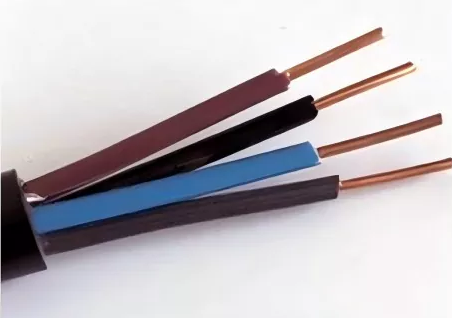
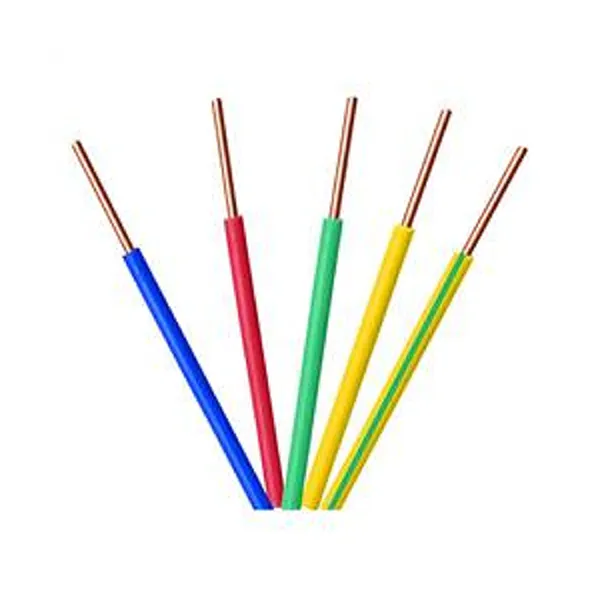
Core identification helps installers distinguish control circuits and connect conductors according to wiring diagrams. Depending on the core count and specified construction, identification may use different colors or numbered cores. Confirm the required identification method before production or purchase.
Rated voltage alone is not enough to determine whether a cable is suitable for a particular control system. Use the following checklist when reviewing a quotation or technical datasheet.
| Parameter | What to Confirm | Why It Matters |
|---|---|---|
| Rated voltage | 450/750V | Must match the circuit design and applicable regulations. |
| Conductor material | Copper, with the specified conductor class | Affects electrical resistance, termination, and installation requirements. |
| Core count | Required number of cores | Must accommodate all control signals and designated conductors. |
| Conductor cross-section | Specified area in mm² | Must suit circuit loading, voltage drop, and terminal capacity. |
| Insulation and sheath | Exact material grades and thicknesses | Determines insulation performance and environmental suitability. |
| Fire performance | Required low-smoke, halogen-free, and flame-test standards | Helps establish compliance with project fire-safety specifications. |
| Operating temperature | Manufacturer's rated temperature range | Must be compatible with the expected service conditions. |
| Mechanical protection | Whether an unarmoured design is suitable | Unarmoured cable may require additional protection in exposed installations. |
Suitable cable constructions may be considered for control wiring in commercial buildings and facilities where low-smoke and halogen-free material requirements apply. The project specification must define the required fire classification and installation method.
Control cables connect electrical devices, panel components, and control circuits. Core count and conductor cross-section should match the wiring diagram and terminal requirements.
Where the specified electrical characteristics are suitable, control cables can be used to carry signals between monitoring devices and associated control equipment. Shielding requirements should be assessed separately if electromagnetic interference is a concern.
Low-smoke, halogen-free cable materials may be specified in public buildings, transport-related facilities, and other locations with defined fire-safety requirements. Suitability depends on the required cable classification and the governing project codes.
The choice between LSOH and conventional PVC control cable should be based on the installation's fire-safety requirements, electrical design, and applicable standards rather than on material terminology alone.
| Comparison Point | LSOH Control Cable | Conventional PVC Control Cable |
|---|---|---|
| Smoke characteristics | Designed to meet specified low-smoke requirements | Smoke performance depends on the particular PVC formulation and test classification. |
| Halogen content | Specified materials are halogen-free | Conventional PVC contains chlorine. |
| Fire performance | Must be verified against the specified flame and fire tests | Must also be assessed against the required test standards. |
| Material selection | Prioritizes low-smoke and halogen-free requirements where specified | May be suitable where PVC cable is permitted by the design specification. |
| Final selection | Confirm electrical ratings, fire classification, and installation conditions. | Confirm electrical ratings, fire classification, and installation conditions. |
Neither material name alone establishes that a cable is fire-resistant or maintains circuit operation during a fire. Where circuit integrity is required, specify and verify the relevant fire-resistance performance separately.
Confirm whether the cable will be installed in conduit, cable tray, enclosed panels, or another approved route. An unarmoured construction should not be used where the design requires armour or equivalent mechanical protection unless the installation design provides an appropriate alternative.
Follow the manufacturer's minimum bending radius and pulling-force limits. Avoid excessive tension, crushing, or sharp bends that could damage the cable structure.
Check the conductor cross-section, core count, terminal compatibility, voltage drop, and any shielding requirements against the wiring diagram.
Review the product datasheet and project specifications for the applicable conductor, insulation, sheath, flame-retardant, and low-smoke test standards. Verify the exact cable designation before installation.
It is the cable's rated voltage designation. The cable must be selected for the electrical system and installed in accordance with the applicable regulations and manufacturer instructions.
LSOH materials are designed to limit smoke generation and avoid halogen-containing emissions from the specified materials during fire exposure. The actual performance must be confirmed through the applicable test classifications.
It does not have a metallic armour layer. Where the route is exposed to impact, crushing, or other mechanical hazards, additional protection or an armoured cable may be required.
Choose the core count according to the wiring diagram, number of control signals, and any designated protective or spare conductors required by the project.
No. Low-smoke and halogen-free properties do not automatically mean that a cable can maintain circuit integrity during a fire. Check the required fire-resistance classification separately.
Provide the rated voltage, cable model or standard, conductor cross-section, core count, required material specifications, approximate quantity, operating environment, and any project-specific fire-performance requirements.
Before specifying LSOH Control Cable Without Armour 450/750V, confirm the cable construction, conductor dimensions, insulation and sheath materials, core identification, and applicable test requirements for the intended installation.
For a technical enquiry, provide the required cable specification and application conditions so that the proposed construction can be checked against the project requirements.