Tianjin Beida Wire & Cable Group Co., Ltd.
News

What factors affect the current carrying capacity of low-voltage power lines?

2026-03-04 0 Leave me a message

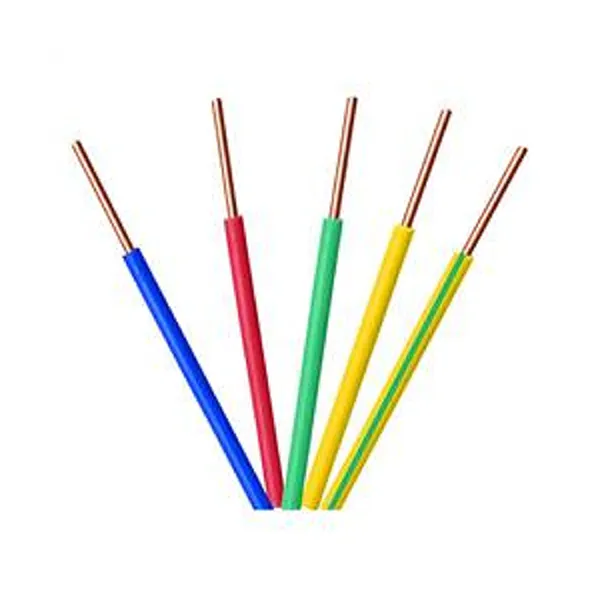
The current-carrying capacity of low-voltage power lines directly affects the safe, stable, and energy-efficient operation of power distribution systems. Many users mistakenly believe that current-carrying capacity is only related to wire diameter, but it is actually a dynamic parameter influenced by multiple factors. A scientific understanding of these influencing factors is essential for accurate wire selection and safe electricity use.


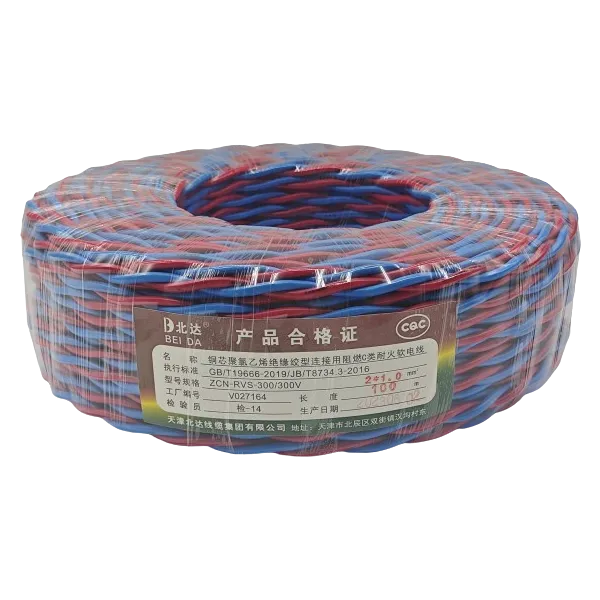
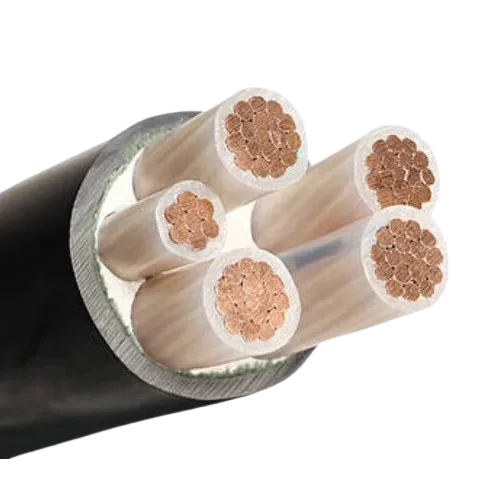
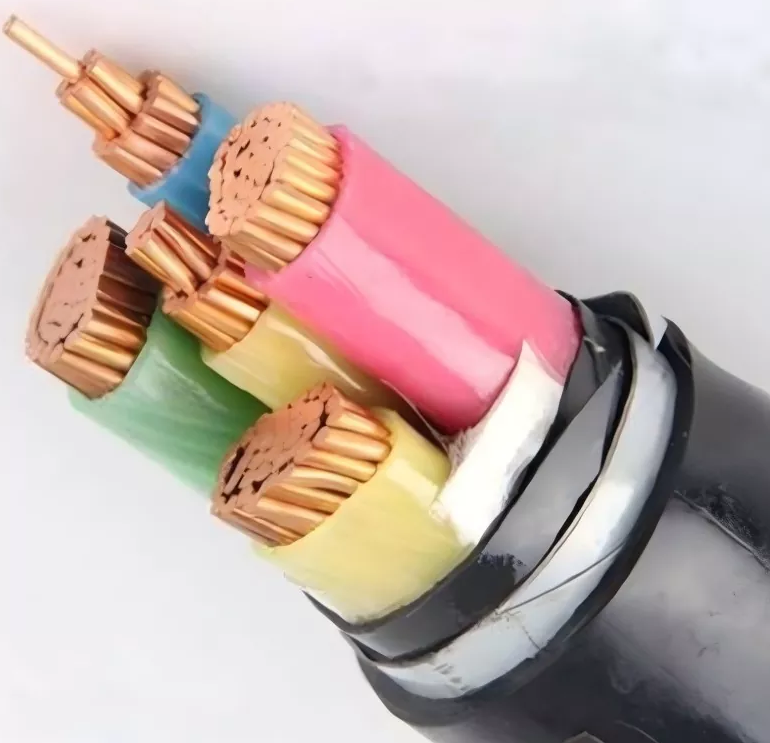
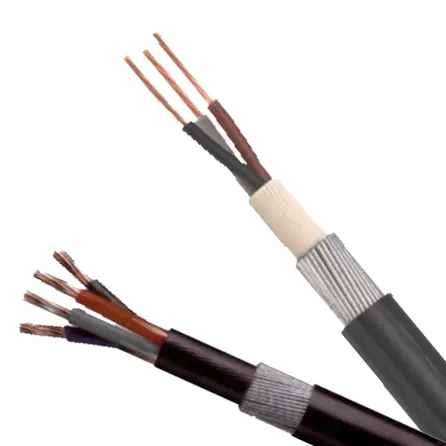
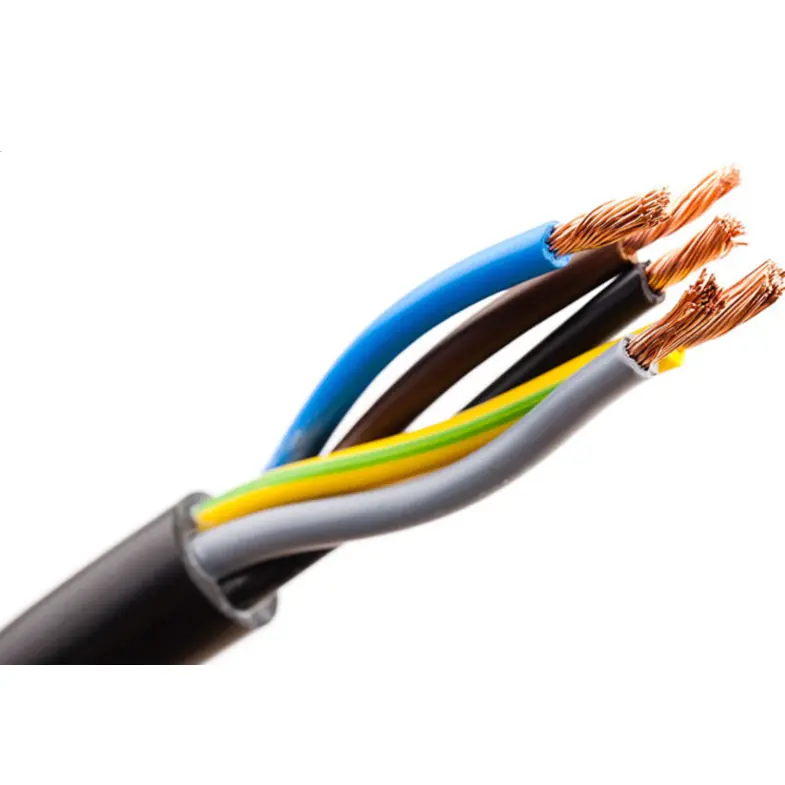
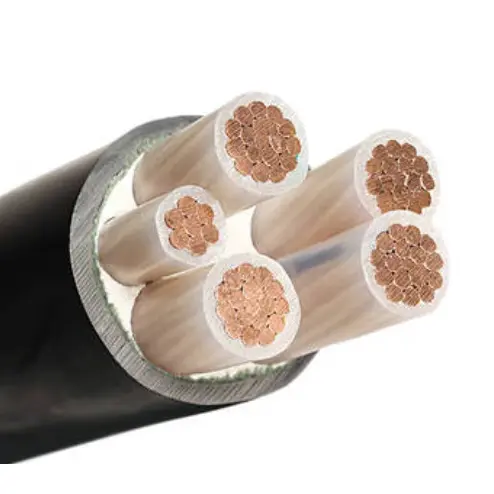
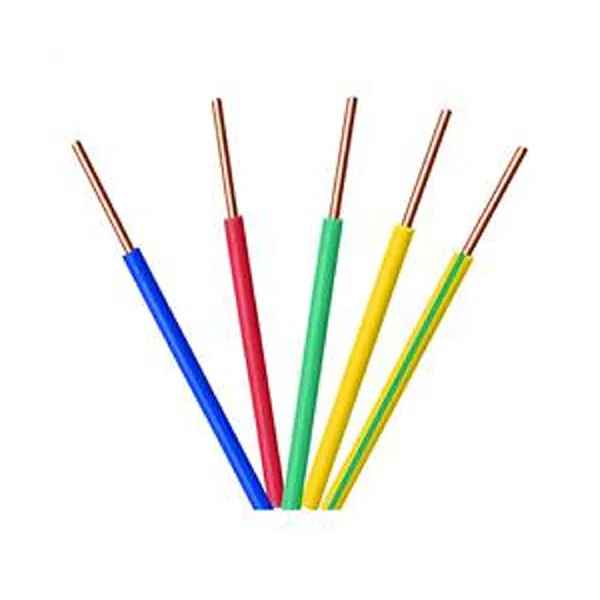
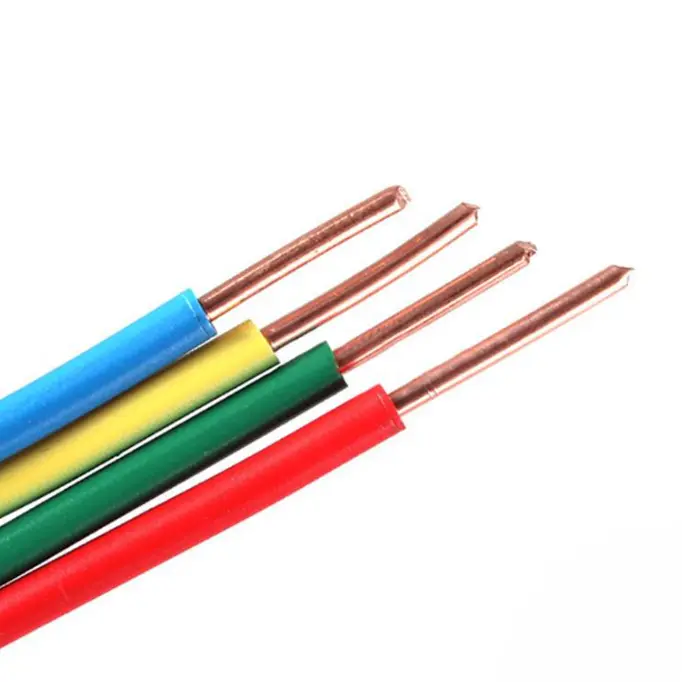
First, there's the conductor material and cross-sectional area. Copper core conductors have lower resistivity and more stable conductivity, resulting in significantly higher current-carrying capacity for the same cross-section compared to aluminum core conductors, making them the mainstream choice for industrial and building power distribution. A larger conductor cross-sectional area results in lower resistance, better heat dissipation, and a corresponding increase in current-carrying capacity, which is a fundamental condition for determining current-carrying capacity.


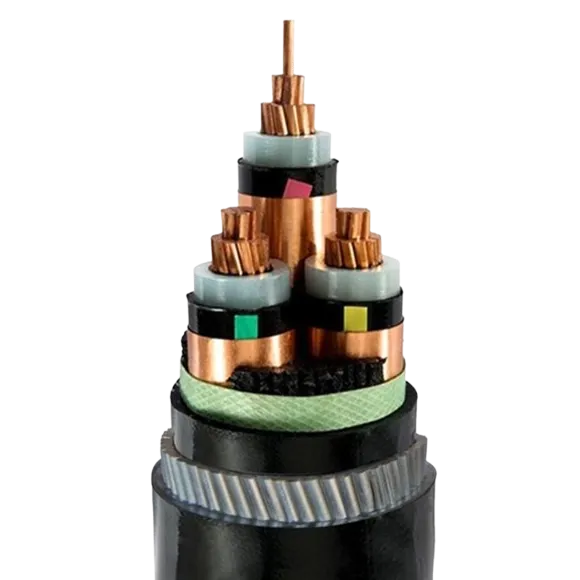
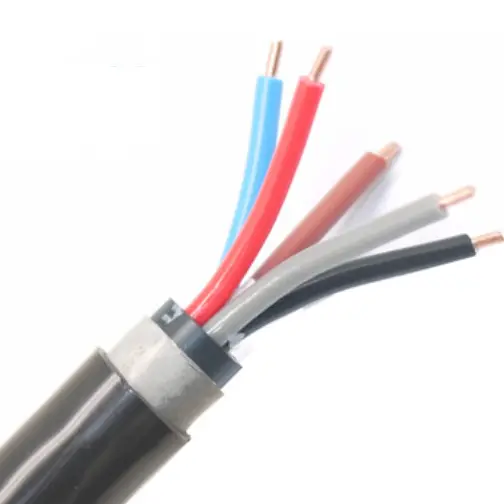
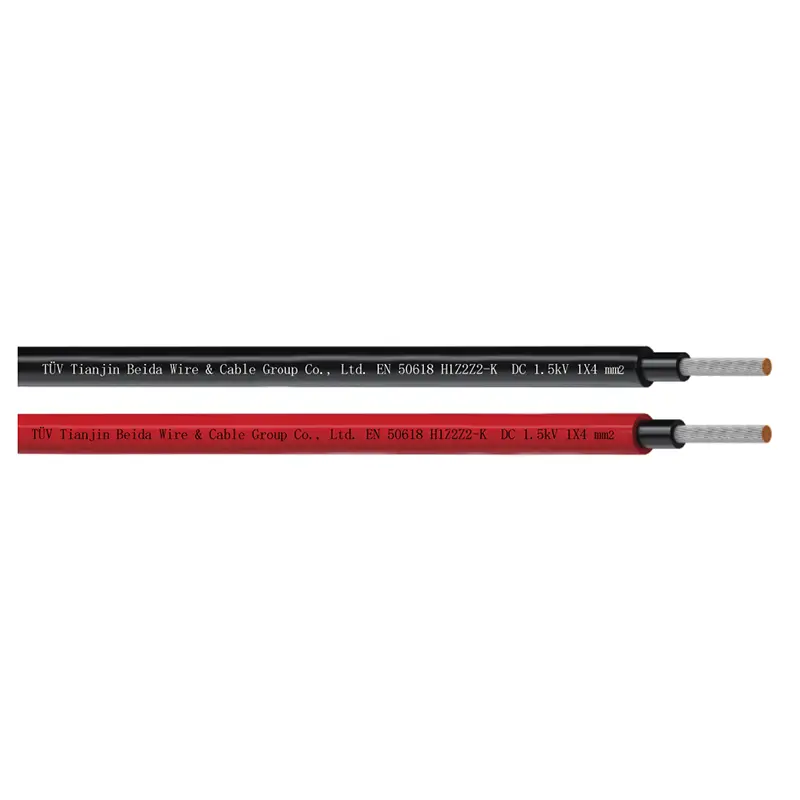
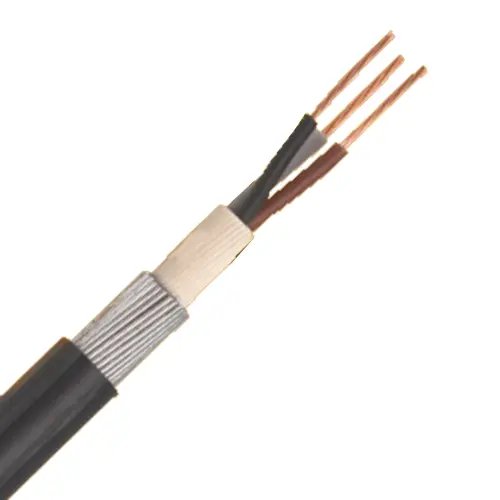
Secondly, the insulation and sheath materials are crucial. The temperature resistance rating of the insulation layer directly determines the upper limit of the cable's safe operation. Different materials, such as PVC and cross-linked polyethylene, have different allowable long-term operating temperatures, directly affecting the current-carrying capacity. High-quality insulation can also delay aging and ensure stable long-term current carrying capacity.

Thirdly, ambient temperature and heat dissipation conditions are important. The higher the ambient temperature, the slower the cable dissipates heat, and the lower the allowable current. High-temperature workshops, areas under direct sunlight, and enclosed spaces all require temperature corrections to the current-carrying capacity according to specifications to avoid overheating and potential safety hazards.


Fourthly, the laying method and density matter. Surface laying provides the best heat dissipation, with current carrying capacity close to the standard value. When laid in conduits, cable trays, or with multiple cables side-by-side, heat accumulates and is difficult to dissipate, requiring a corresponding reduction in current carrying capacity. Laying depth, conduit material, and soil thermal resistance also significantly affect the current carrying capacity of buried cables.


Finally, the installation and usage environment is crucial. Harsh environments such as dampness, corrosion, and dust accelerate insulation aging, reducing conductivity and heat dissipation efficiency, indirectly affecting current carrying capacity and service life. Proper construction and keeping cables away from heat sources and corrosive media are essential to maintaining optimal cable performance.


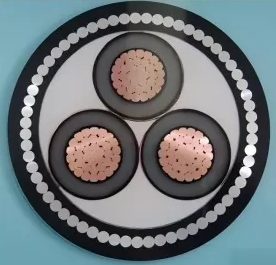
Tianjin Beida Cable Group is a professional manufacturer of low-voltage power cords, with years of experience in the cable industry. It boasts a standardized production base, advanced production equipment, and a comprehensive testing system. The company strictly adheres to national and industry standards in its production, offering a wide range of low-voltage power cords, power cables, and control cables. It possesses full-chain capabilities from R&D and production to sales and service. With stable quality, efficient delivery, and professional technical support, Tianjin Beida Cable Group has become a reliable partner for numerous projects and enterprises, providing users with safe, high-quality, and efficient cable solutions.


Related News
Leave me a message
X
We use cookies to offer you a better browsing experience, analyze site traffic and personalize content. By using this site, you agree to our use of cookies. Privacy Policy
Reject Accept