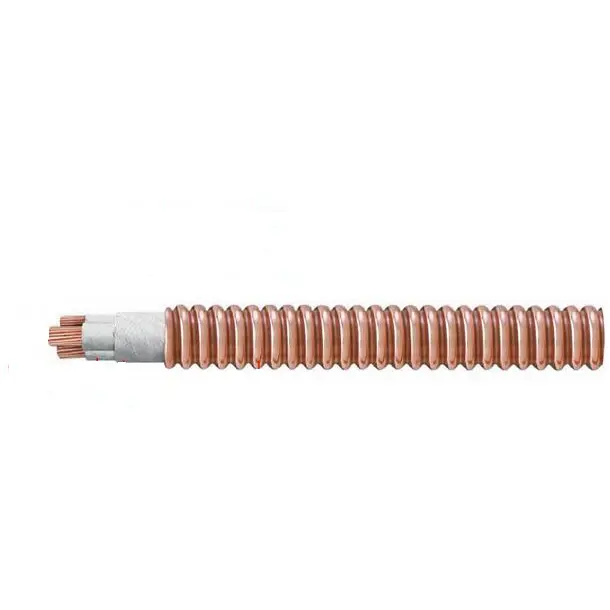
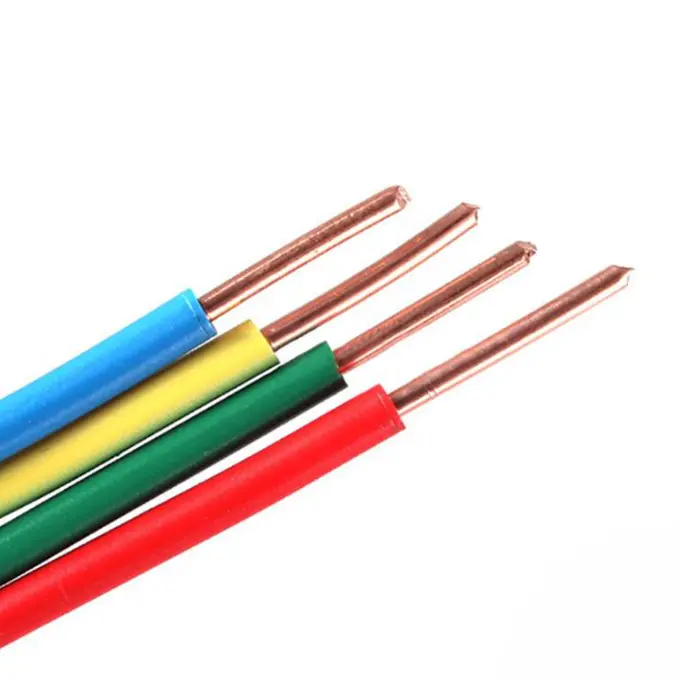
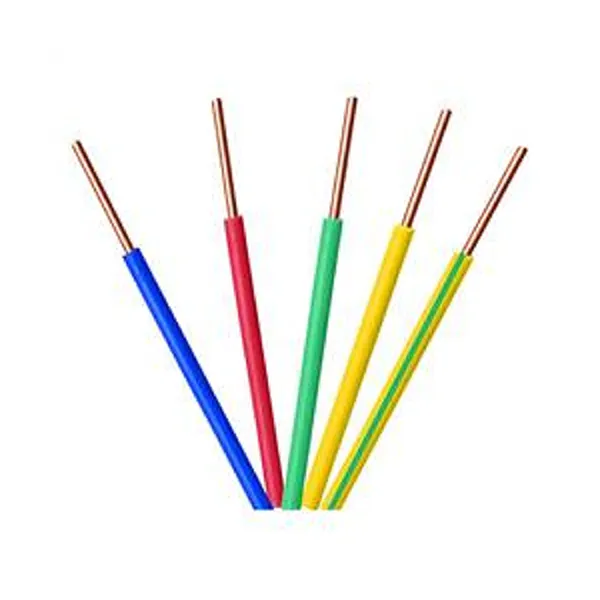
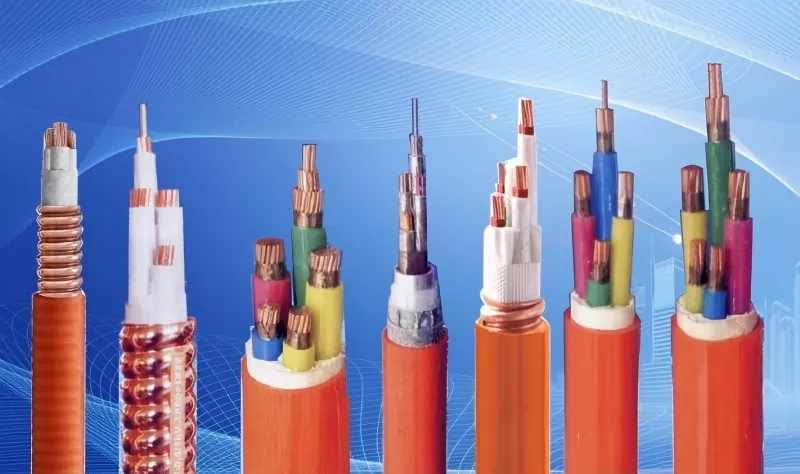
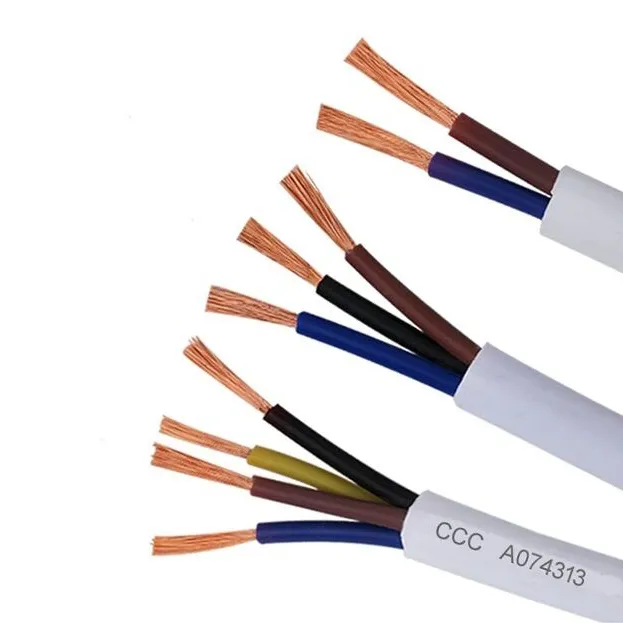
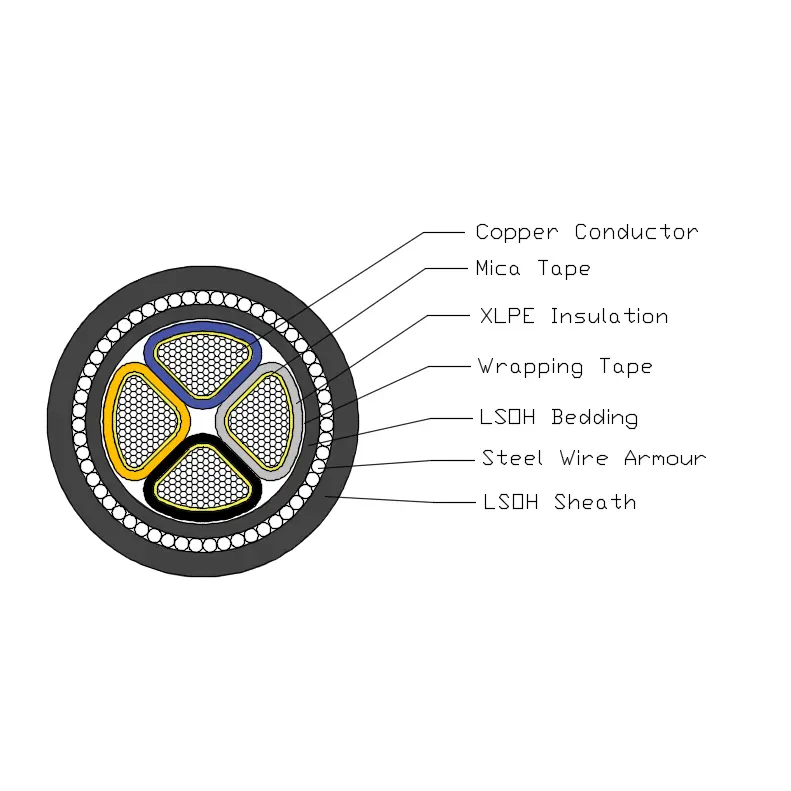
In the field of medium-voltage power transmission, cable selection is a crucial step in ensuring stable system operation. Single-core and multi-core cables differ in structure and have different strengths in different application scenarios. How to make a scientific choice based on actual needs? This requires comprehensive consideration from multiple dimensions, including technical characteristics, load type, and environmental conditions.
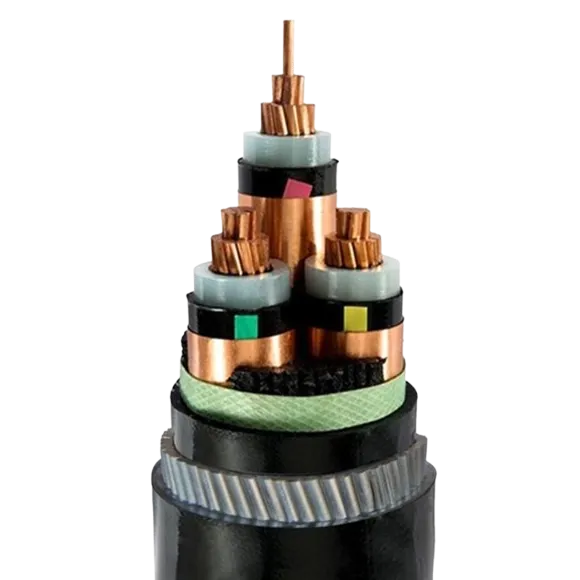
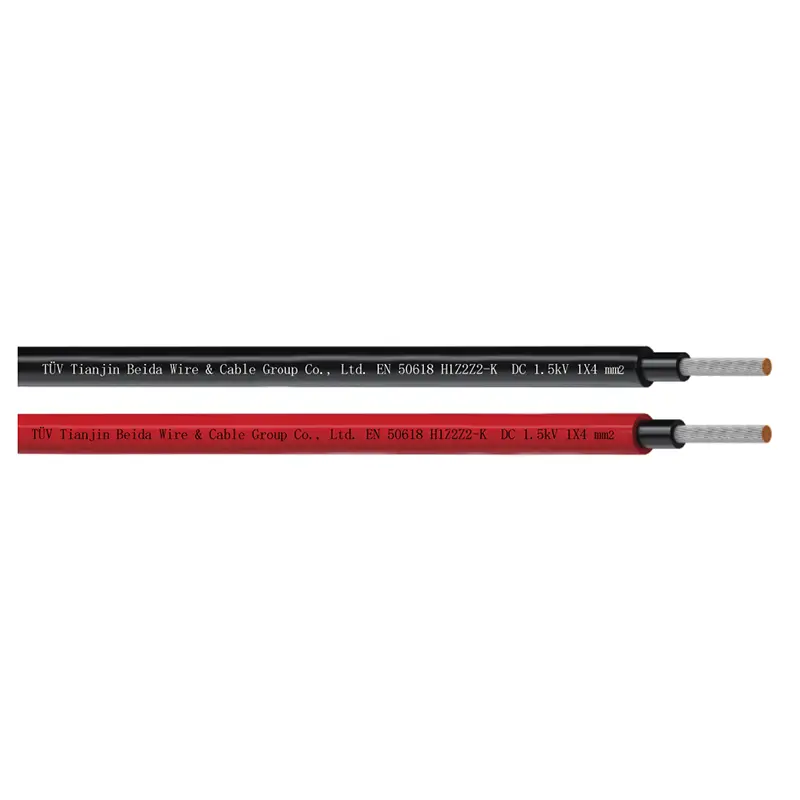
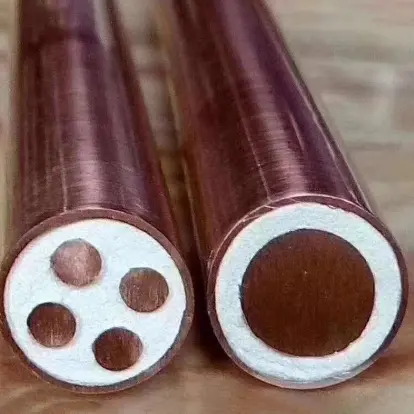
Single-core cables, with an independent conductor at their core, have become the preferred choice for long-distance, high-capacity power transmission due to their excellent current-carrying capacity and anti-interference performance. They offer high conductor cross-sectional area utilization, requiring a smaller wire diameter for the same current. Combined with a non-magnetic armor design, they effectively avoid eddy current losses, making them particularly suitable for inter-regional power transmission projects. Furthermore, single-core cables have significant heat dissipation advantages, maintaining a more stable operating temperature and extending service life under high-temperature or high-load environments. However, when multiple single-core cables are laid in parallel, attention must be paid to the spacing and fixing method to avoid additional losses due to electromagnetic induction.
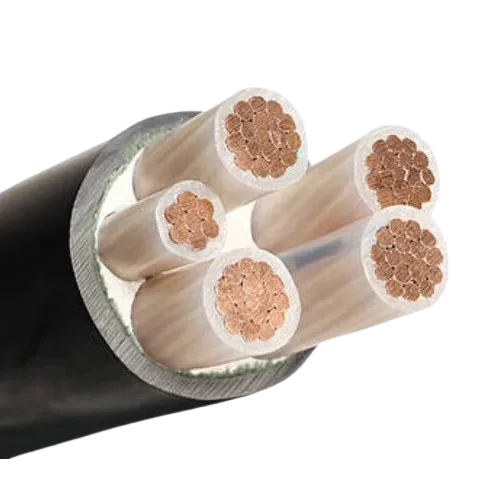
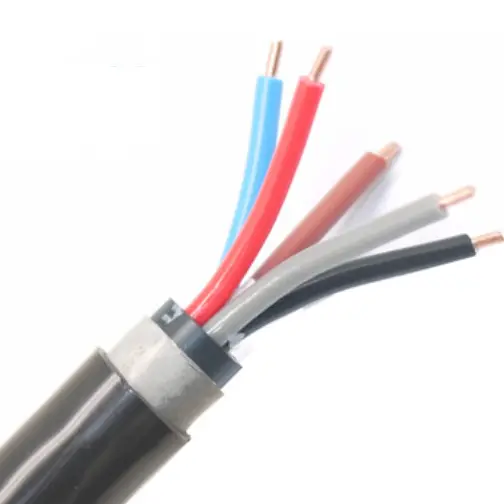
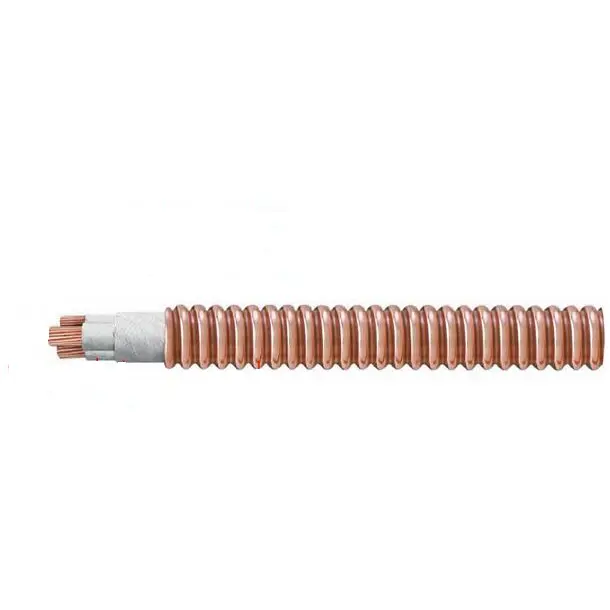
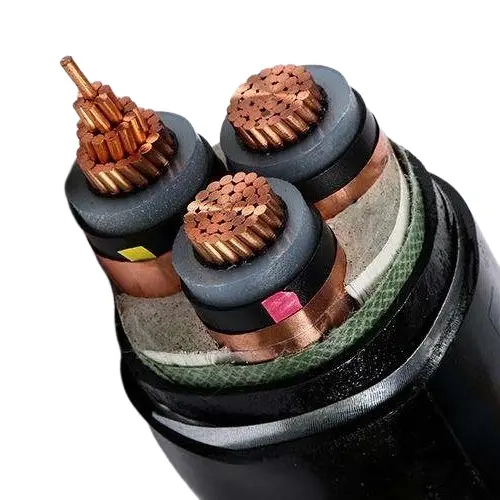
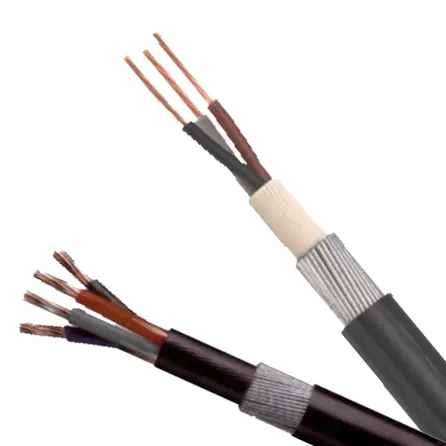
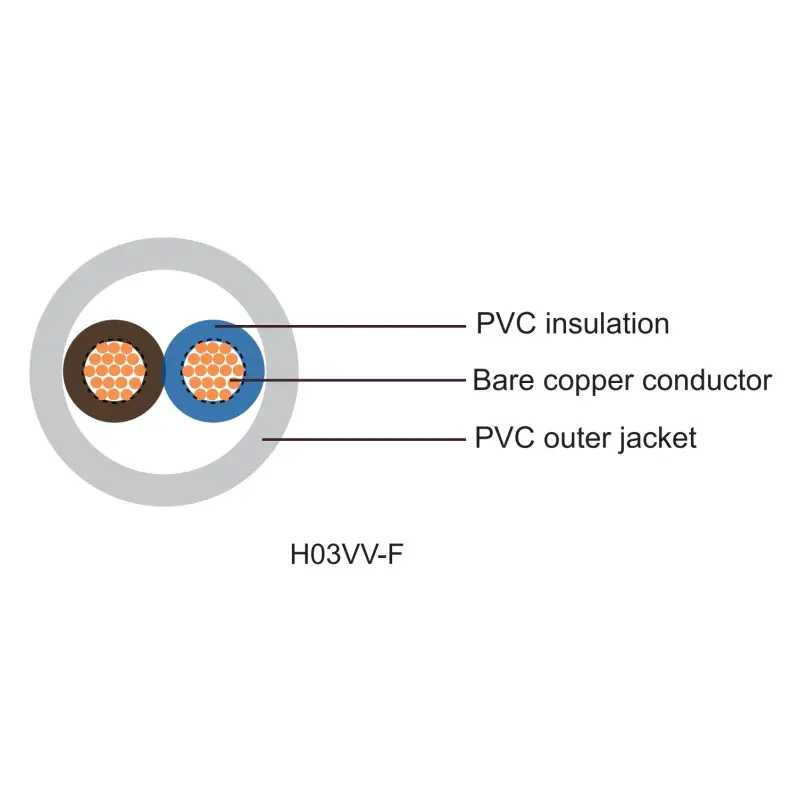
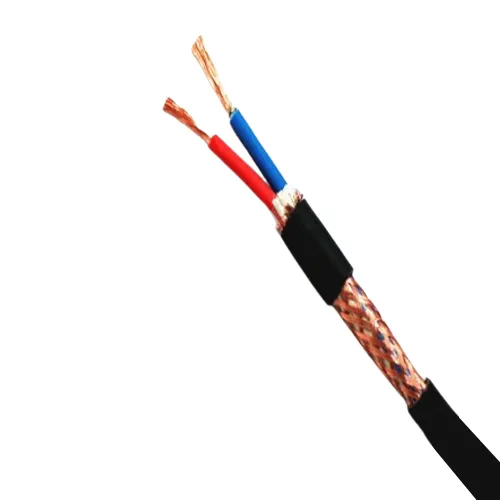
Multi-core cables, by integrating multiple conductors, achieve dual optimization of function and space. In scenarios such as building power distribution and industrial equipment connections, three-core or five-core cables can transmit three-phase power, neutral wire, and protective grounding wire in one go, significantly reducing the space occupied by cable trays and simplifying the construction process. Its symmetrical structural design can accurately match three-phase balanced loads, reduce line voltage drop, and improve power supply quality. For projects with limited space or requiring flexible wiring, the advantages of multi-core cables—small bending radius and ease of installation—are even more prominent.
When selecting cables, specific scenarios must be considered: for long-distance power transmission such as urban underground utility tunnels and submarine cables, single-core cables offer superior current-carrying and heat dissipation performance; for complex systems such as building internal power distribution and industrial automation control, the integrated design of multi-core cables can significantly improve efficiency. It is worth noting that in humid or corrosive environments, multi-core cables with independent protective grounding wires should be prioritized to enhance safety.
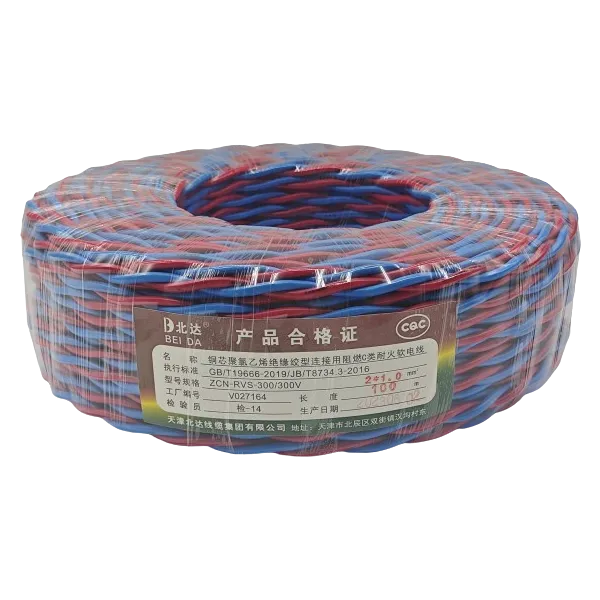
Tianjin Beida Cable Group has been deeply involved in the medium-voltage power cable field for 35 years, possessing a full range of single-core and multi-core cable production lines. Our products have passed national CCC certification and international standard testing, and our annual production capacity covers various medium-voltage cable needs. We provide one-stop services from technical consultation to after-sales maintenance, helping customers select cables accurately and implement construction efficiently.
We use cookies to offer you a better browsing experience, analyze site traffic and personalize content. By using this site, you agree to our use of cookies.
Privacy Policy