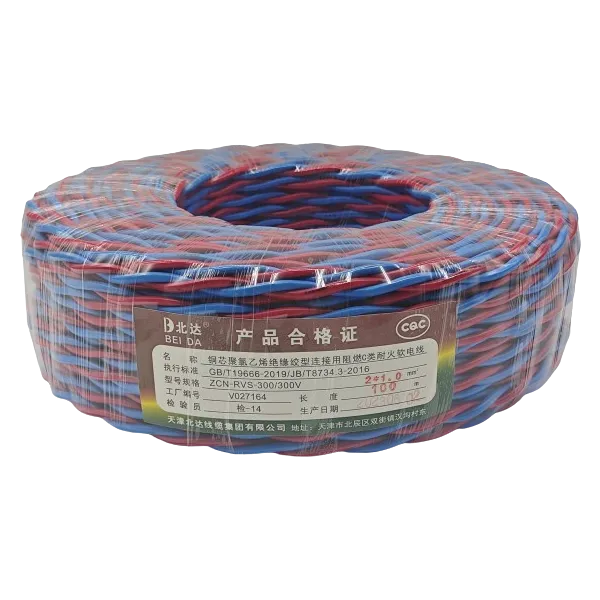
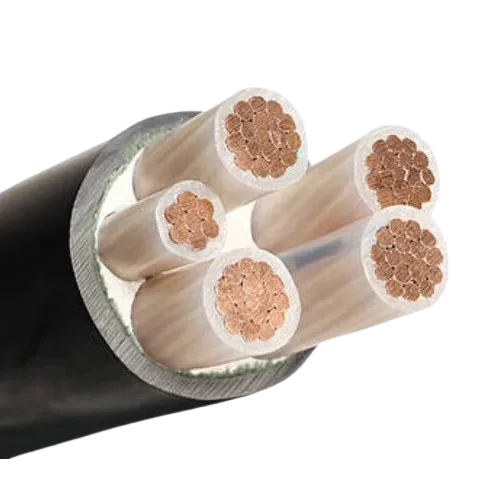
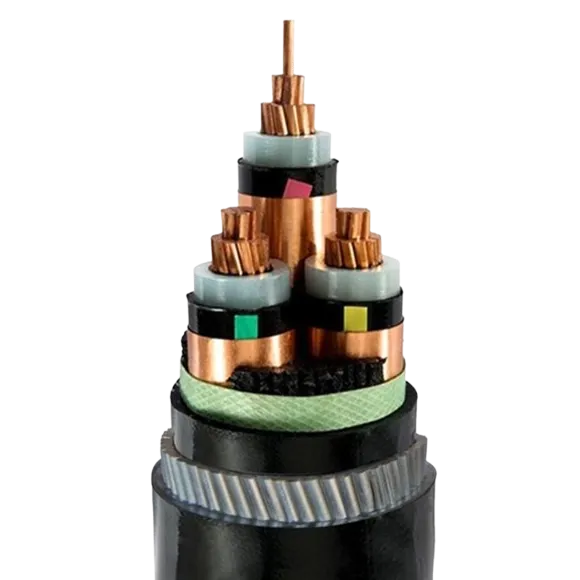
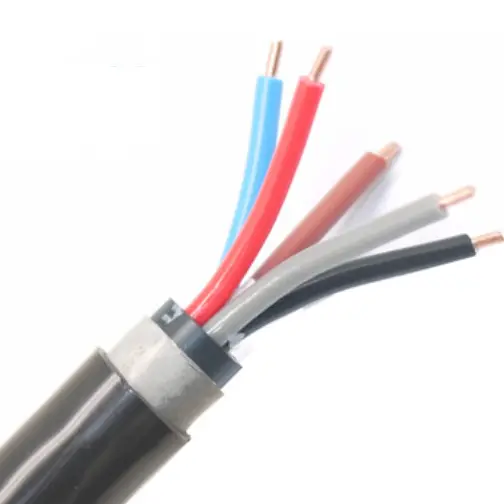
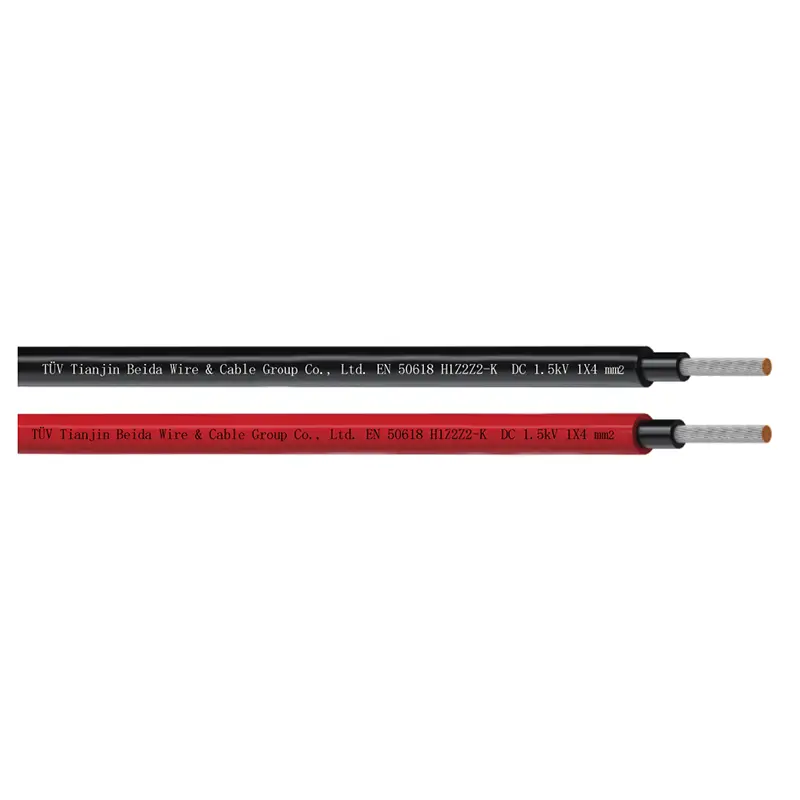
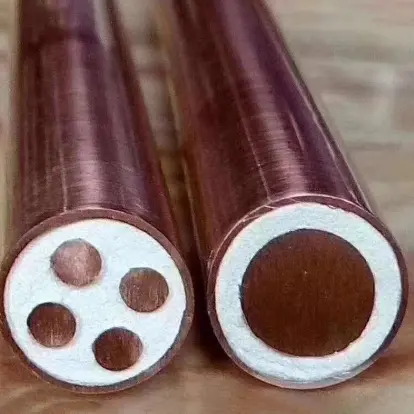
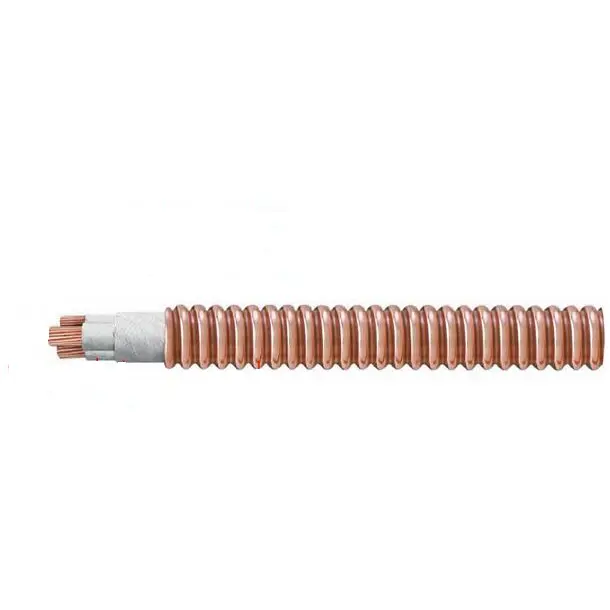
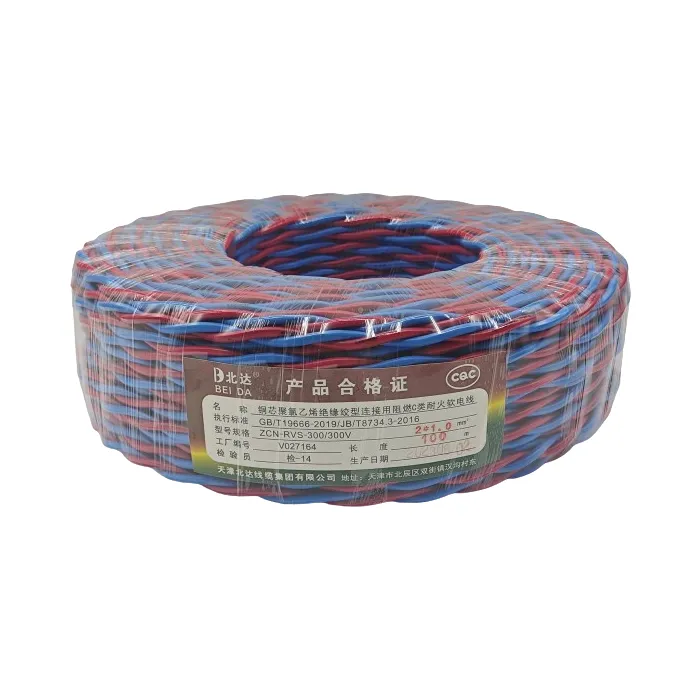
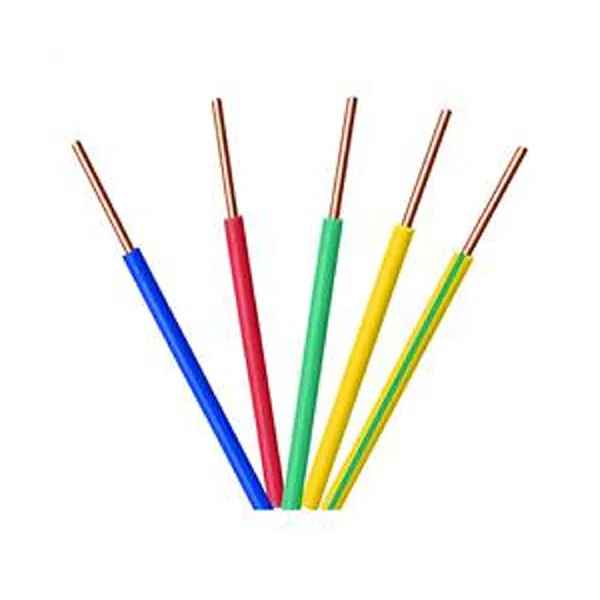
In today’s rapidly evolving power infrastructure environment, reliability, safety, and efficiency are non-negotiable. From industrial facilities and commercial complexes to renewable energy systems and urban utility networks, selecting the right power cable directly impacts long-term operational stability. Among various cable solutions available in the market, XLPE Insulated PVC Sheathed Power Cable has emerged as a preferred choice for engineers, contractors, and procurement specialists worldwide. This comprehensive guide explores its structure, performance advantages, technical parameters, real-world applications, comparison with alternatives, and how to choose a trusted manufacturer such as Tianjin Beida Wire & Cable Group Co., Ltd. to ensure consistent quality and project success.
Article Summary
This article provides a complete overview of XLPE insulated PVC sheathed power cables, explaining their construction, key performance benefits, technical standards, application scenarios, installation considerations, and selection criteria. It also addresses common customer concerns such as durability, cost efficiency, safety, and supplier reliability. The guide concludes with frequently asked questions and practical procurement advice for long-term value.
Table of Contents
What Is XLPE Insulated PVC Sheathed Power Cable?
How Does XLPE Insulation Improve Electrical Performance?
Why Is PVC Sheathing Critical for Mechanical Protection?
What Are the Key Technical Specifications?
Where Are XLPE PVC Power Cables Commonly Used?
XLPE vs PVC Insulated Cable: What’s the Difference?
How to Select the Right Cable for Your Project?
Installation Guidelines and Best Practices
Common Customer Pain Points and Solutions
Why Work with Tianjin Beida Wire & Cable Group Co., Ltd.?
Frequently Asked Questions (FAQ)
What Is XLPE Insulated PVC Sheathed Power Cable?
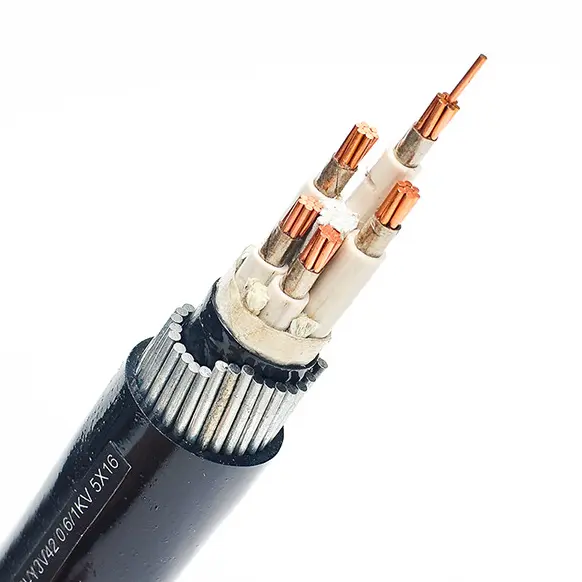
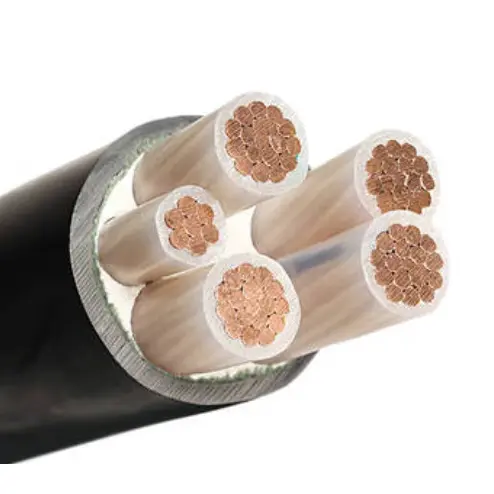
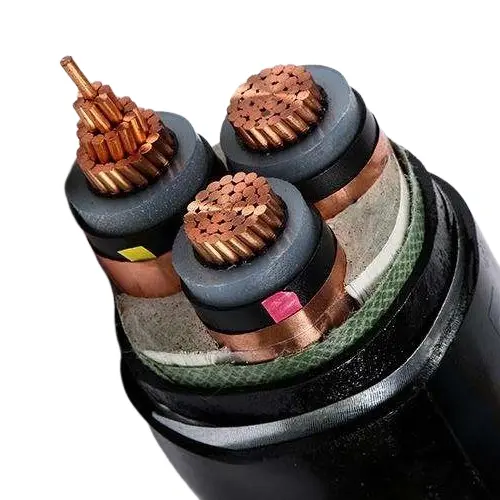
XLPE Insulated PVC Sheathed Power Cable is a type of medium- or low-voltage power cable featuring:
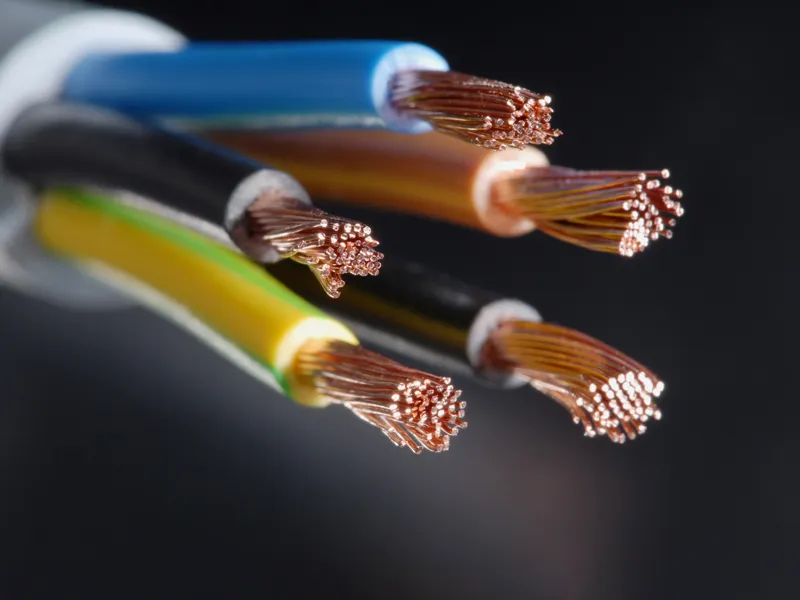
Conductor: Copper or aluminum
Insulation: Cross-Linked Polyethylene (XLPE)
Outer Sheath: Polyvinyl Chloride (PVC)
The cross-linking process chemically bonds polyethylene molecules, enhancing thermal resistance and mechanical strength. The PVC sheath provides external protection against moisture, abrasion, chemicals, and environmental stress.
This cable type is widely used for fixed installations in power transmission and distribution systems, industrial plants, high-rise buildings, substations, underground networks, and renewable energy projects.
How Does XLPE Insulation Improve Electrical Performance?
One of the main reasons engineers prefer XLPE insulation is its superior electrical and thermal properties.
Property
XLPE Insulation
Traditional PVC Insulation
Maximum Operating Temperature
90°C (continuous)
70°C
Short Circuit Temperature
Up to 250°C
160°C
Dielectric Strength
High
Moderate
Aging Resistance
Excellent
Average
Because of its higher operating temperature, XLPE cables can carry more current without compromising insulation integrity. This translates into:
Higher load capacity
Reduced conductor size for the same rating
Improved long-term reliability
Lower energy losses
For industrial facilities running heavy machinery or data centers requiring consistent power stability, this advantage is critical.
Why Is PVC Sheathing Critical for Mechanical Protection?
While XLPE handles thermal and electrical performance, PVC sheathing ensures environmental durability.
Key benefits include:
Moisture resistance
Flame retardancy options
Chemical resistance
Impact and abrasion protection
Cost-effective external protection
For underground or industrial installations exposed to oil, chemicals, or mechanical stress, PVC sheathing significantly extends cable lifespan.
What Are the Key Technical Specifications?
Typical parameters of XLPE insulated PVC sheathed power cables include:
Voltage Rating: 0.6/1kV to 35kV
Conductor Type: Class 1 (solid) or Class 2 (stranded)
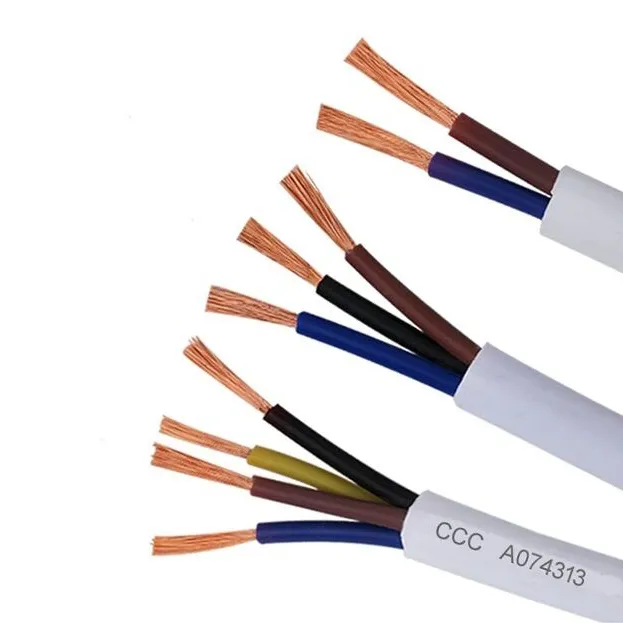
Core Configuration: Single-core or multi-core
Armor Option: Steel wire or steel tape armored
Standard Compliance: IEC, BS, ASTM, GB standards
Manufacturers such as Tianjin Beida Wire & Cable Group Co., Ltd. offer customized configurations to meet project-specific requirements.
Where Are XLPE PVC Power Cables Commonly Used?
This cable type is versatile and suitable for multiple sectors:
Power generation plants
Urban power grids
Commercial buildings
Industrial automation systems
Oil and gas facilities
Renewable energy farms
Subway and railway projects
Its adaptability makes it an ideal solution for both indoor and outdoor fixed installations.
XLPE vs PVC Insulated Cable: What’s the Difference?
Choosing between XLPE and traditional PVC insulated cables often depends on application requirements.
Factor
XLPE Cable
PVC Cable
Heat Resistance
High
Moderate
Load Capacity
Higher
Lower
Lifespan
Longer
Shorter
Cost
Slightly Higher
Lower
For projects demanding long-term durability and high electrical loads, XLPE insulated PVC sheathed power cable is generally the superior option.
Partnering with experienced manufacturers like Tianjin Beida Wire & Cable Group Co., Ltd. ensures proper technical consultation and tailored solutions.
Installation Guidelines and Best Practices
Ensure correct bending radius
Avoid mechanical stress during laying
Use appropriate termination kits
Test insulation resistance before commissioning
Follow local electrical standards
Proper installation directly influences service life and performance stability.
Common Customer Pain Points and Solutions
Pain Point 1: Cable Overheating
Solution: Choose XLPE insulation for higher temperature tolerance.
Pain Point 2: Frequent Cable Replacement
Solution: Select armored options and quality manufacturing standards.
Pain Point 3: Budget Constraints
Solution: Optimize conductor size with higher load capacity design.
Pain Point 4: Inconsistent Supplier Quality
Solution: Work with established manufacturers with international certifications.
Why Work with Tianjin Beida Wire & Cable Group Co., Ltd.?
Tianjin Beida Wire & Cable Group Co., Ltd. is a professional manufacturer specializing in high-performance power cables. With advanced production lines, strict quality control systems, and extensive export experience, the company delivers reliable XLPE insulated PVC sheathed power cable solutions tailored to global markets.
Advantages include:
Comprehensive product range
Custom design capability
International standard compliance
Competitive pricing
Fast delivery cycles
Professional technical support
By choosing Tianjin Beida Wire & Cable Group Co., Ltd., clients gain long-term reliability and consistent project performance.
Frequently Asked Questions (FAQ)
Q1: What is the lifespan of XLPE insulated PVC sheathed power cable?
Typically 25–40 years under proper installation and normal operating conditions.
Q2: Is XLPE cable suitable for underground installation?
Yes, especially when armored and properly protected.
Q3: Can it be used in high-temperature environments?
Yes, XLPE insulation supports continuous operation up to 90°C.
Q4: How does it perform during short circuits?
It can withstand temperatures up to 250°C for short durations.
Q5: How do I request a quotation?
Provide voltage rating, conductor size, core number, length, and installation method to the supplier.
Conclusion
Choosing the right power cable is a long-term investment in safety, efficiency, and operational stability. XLPE Insulated PVC Sheathed Power Cable offers superior thermal performance, enhanced durability, and versatile applications, making it a trusted solution for modern infrastructure projects. If you are planning your next electrical installation and require reliable, customized cable solutions, Tianjin Beida Wire & Cable Group Co., Ltd. is ready to support your project with high-quality manufacturing and professional service.
For detailed specifications, pricing, and technical consultation, contact us today and power your projects with confidence.
We use cookies to offer you a better browsing experience, analyze site traffic and personalize content. By using this site, you agree to our use of cookies.
Privacy Policy