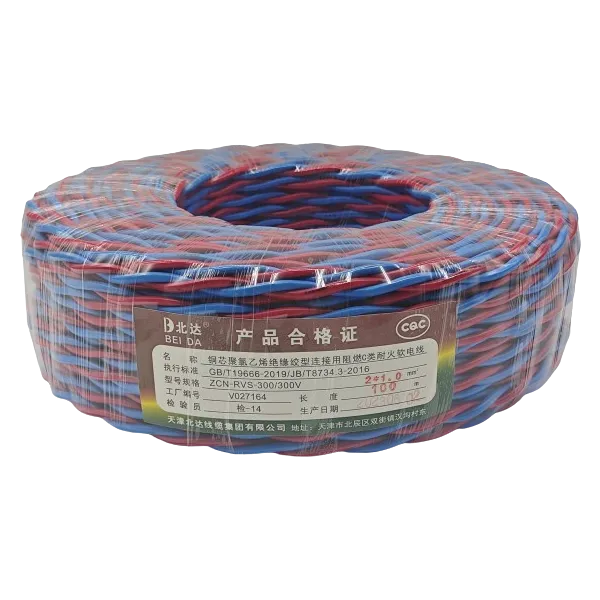
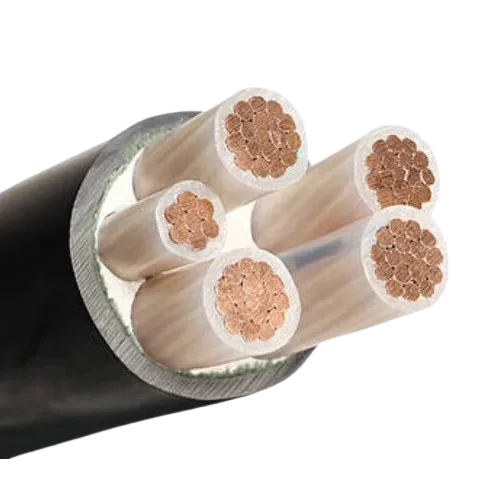
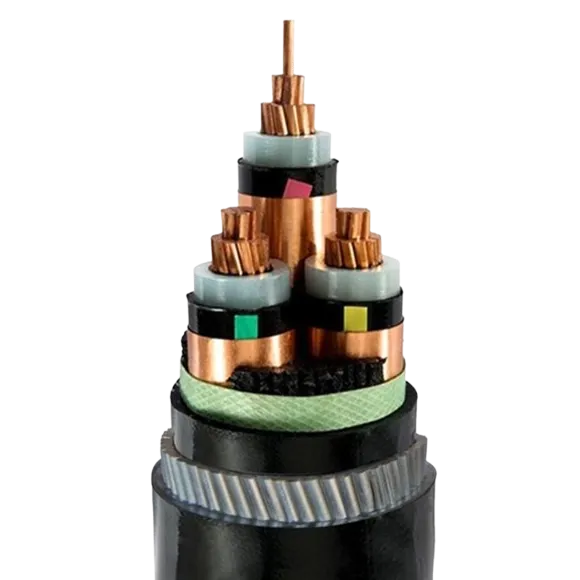
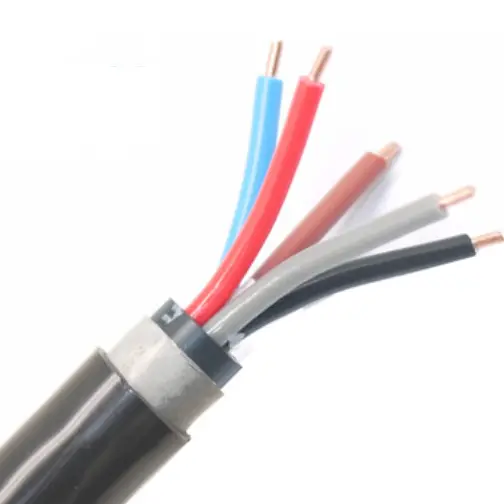
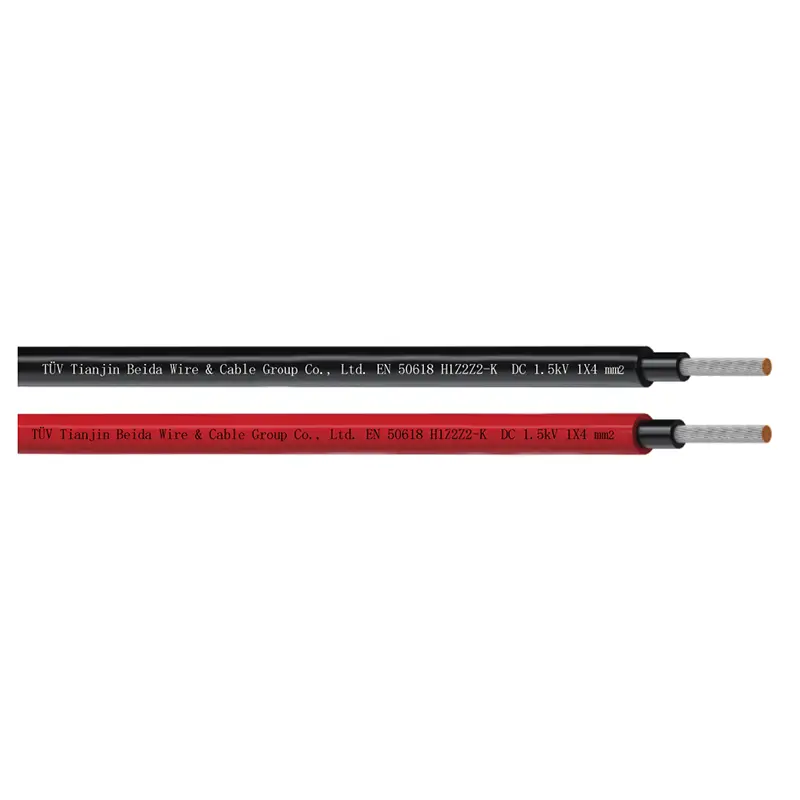
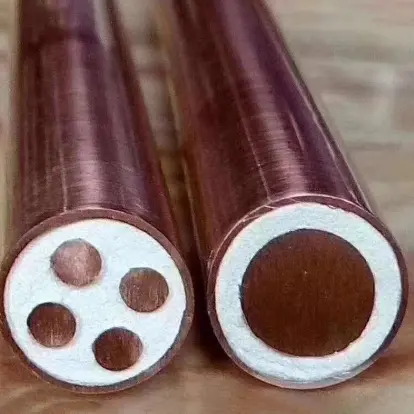
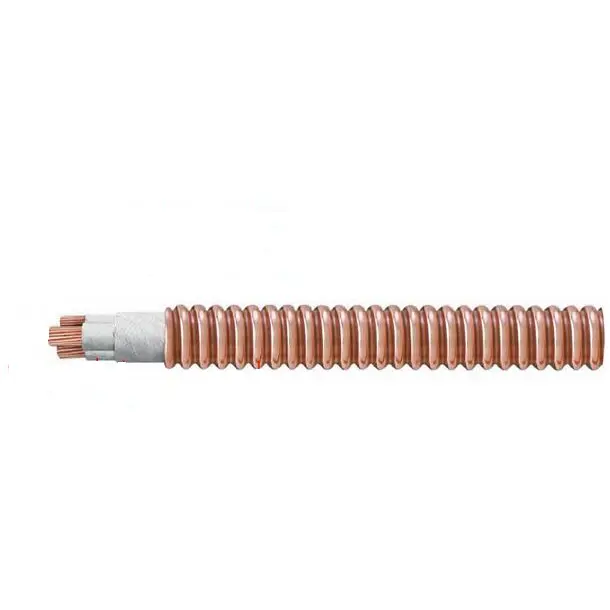
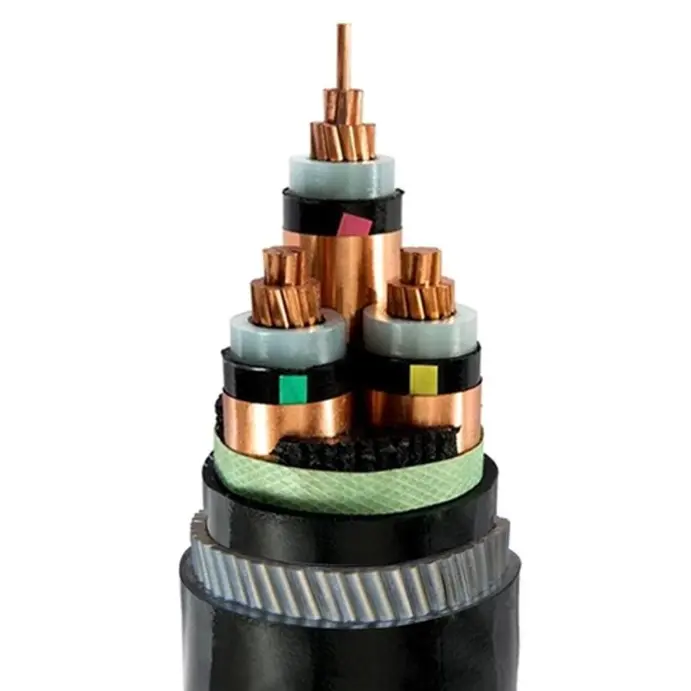
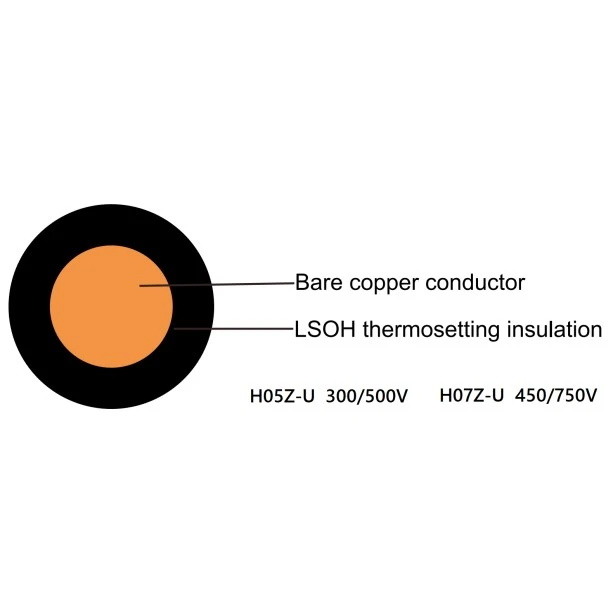
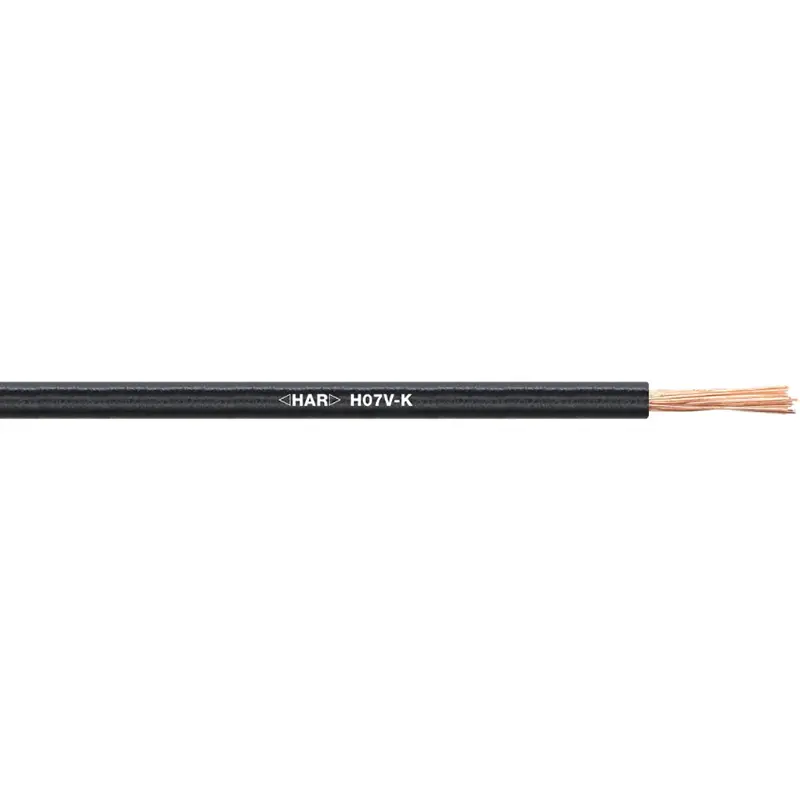
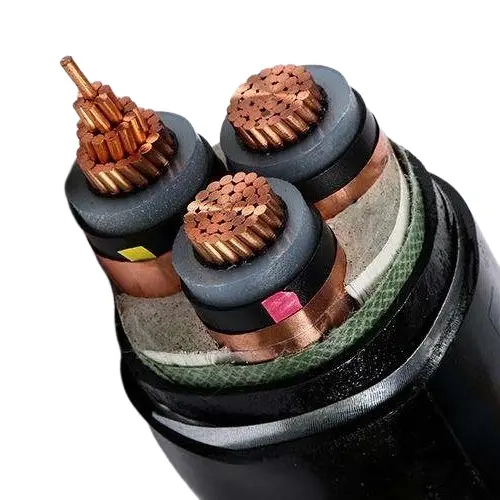
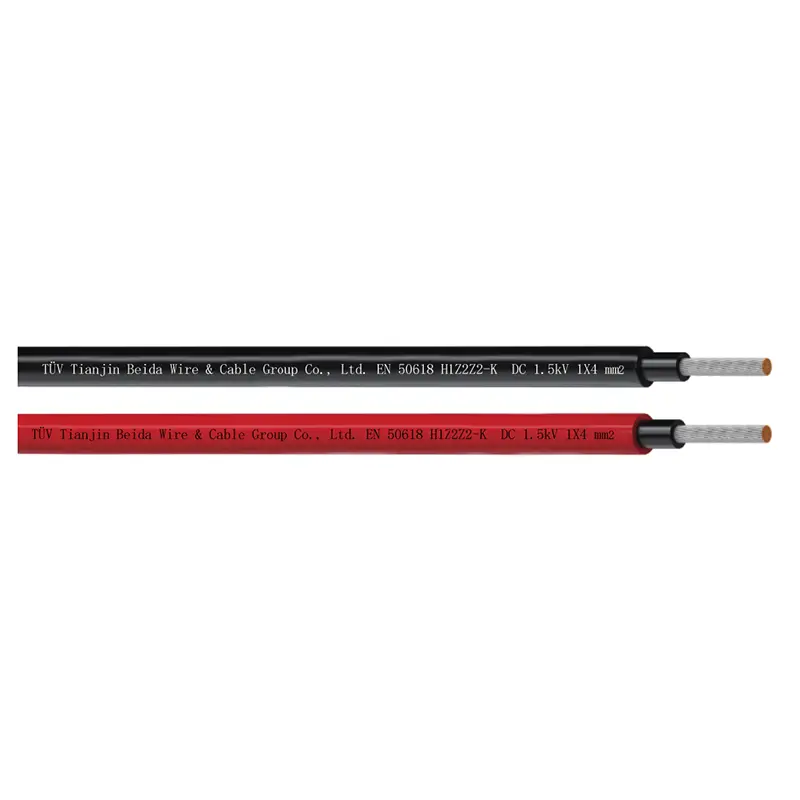
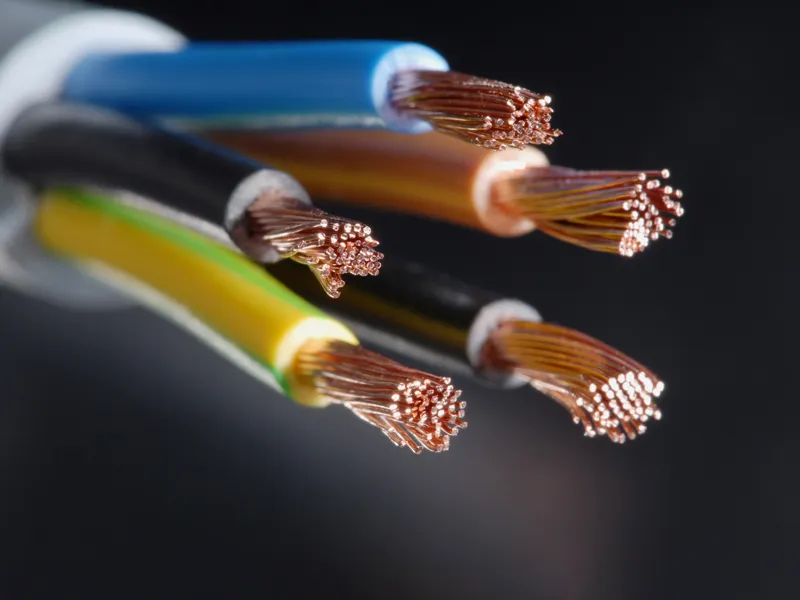
Low-voltage cables (rated voltage 0.6/1kV, the mainstream voltage level for civil and industrial applications) are the core transmission medium of power distribution systems. They are primarily used for the transmission of 380V three-phase and 220V single-phase power and equipment connection. Unlike ordinary wires, they offer stronger protection and stability, and are suitable for fixed installation, concealed wiring, harsh environments, and high-power/multi-circuit centralized power supply scenarios. They cover all areas of civil buildings, industrial production, municipal engineering, and outdoor infrastructure. Different low-voltage cable structures are adapted to specific scenarios. The following categorizes them by core application areas, including scenario characteristics and cable selection suggestions, to accurately meet usage needs:
I. Civil Building Sector (Residential/Commercial Buildings/Office Buildings)
Core Requirements: Concealed installation, fire resistance and flame retardancy, space adaptability, ensuring safe and stable indoor power distribution.
Residential Buildings
Applicable Scenarios: Main incoming lines for villas/large apartments, building riser power distribution, underground garage lighting/power circuits, high-power centralized power supply for kitchens and bathrooms.
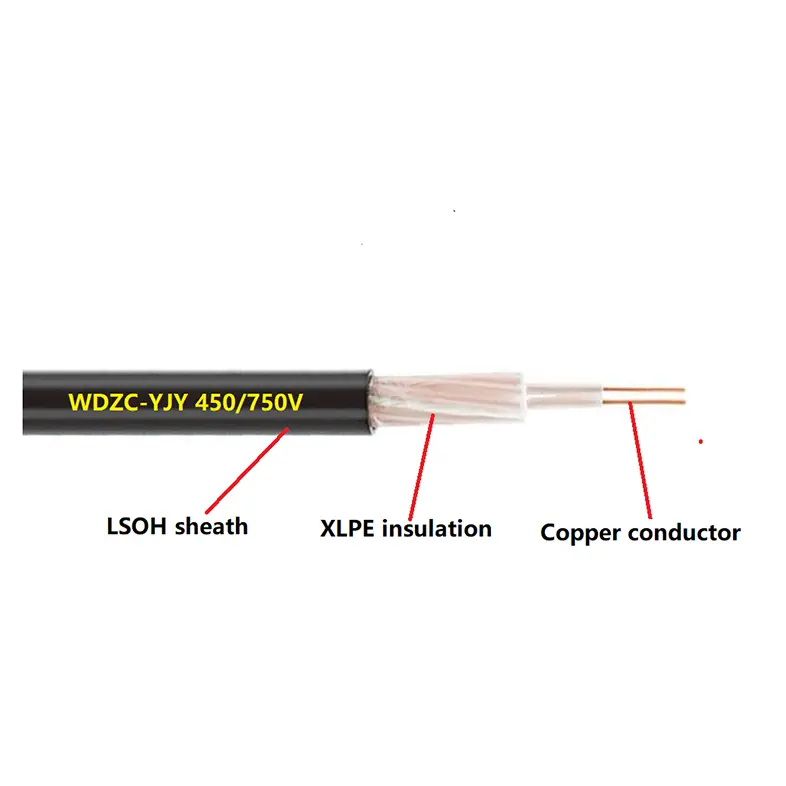
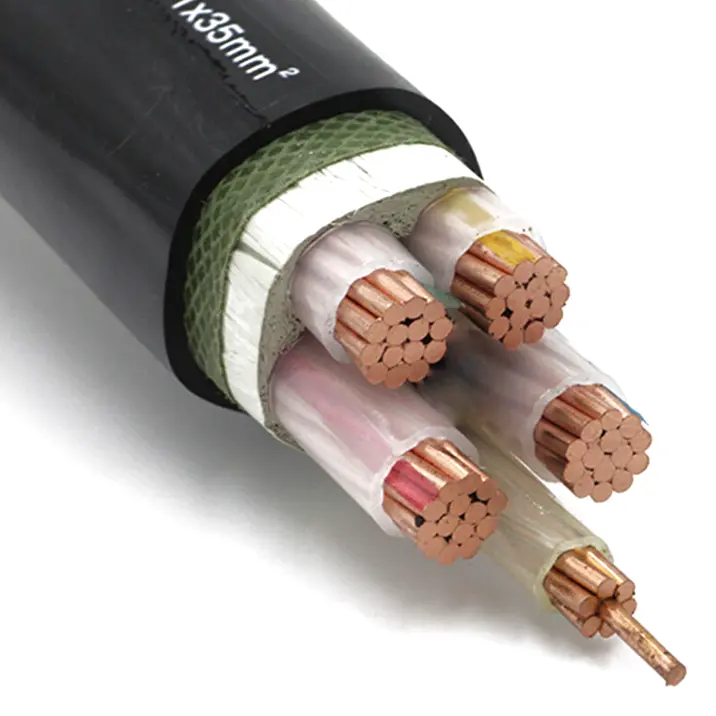
Selection: Primarily YJV (cross-linked polyethylene insulated polyvinyl chloride sheathed) cables (temperature resistance 90℃, high current carrying capacity). For high-rise buildings/fire-rated areas, WDZ-YJV (low-smoke halogen-free flame-retardant) cables are used. 4×10/4×16㎡ is commonly used for main incoming lines, and 4×25/4×35㎡ for building power distribution; BVV sheathed wires (simple low-voltage cables) can also be used as indoor main lines for smaller apartments.
Commercial/Office Buildings/Mixed-use Complexes
Applicable Scenarios: Floor power distribution trunk lines, dedicated circuits for central air conditioning/elevators/fire fighting equipment, high-power lighting for shopping malls/shop power supply.
Selection: Fire fighting equipment (fans/sprinklers/emergency lighting) must use WDZ-YJV (low-smoke halogen-free flame-retardant and fire-resistant) cables. Ordinary power circuits use YJV cables. Large cross-sections (50/70/95㎡) are used for power supply to the main distribution boxes on each floor. II. Industrial Production Sector (Factories / Workshops / Industrial Parks)
Core Requirements: Resistance to mechanical wear, compatibility with three-phase electrical equipment, resistance to oil and dust, and suitability for continuous production.
General Workshops/Factories
Applicable Scenarios: Main power distribution in workshops, connection of three-phase power equipment such as machine tools, water pumps, and fans, and centralized power supply for production lines.
Selection: YJV/YZ (rubber-sheathed flexible cables), YJV for fixed installation (4-core/5-core, such as 4×25+1×16㎡), and YZ rubber-sheathed flexible cables for mobile equipment (such as small machine tools and handheld power tools) (good flexibility and bending resistance).
Special Industrial Environments
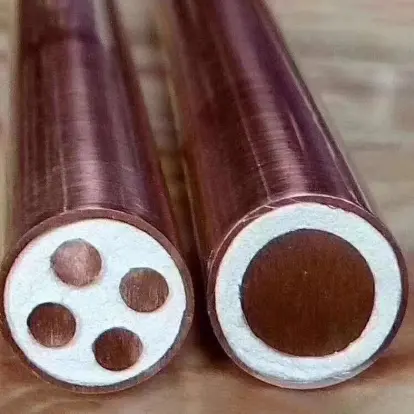
Chemical/Metallurgical Workshops: Select ZR-YJV (flame-retardant)/NH-YJV (fire-resistant) cables, resistant to oil and high temperatures;
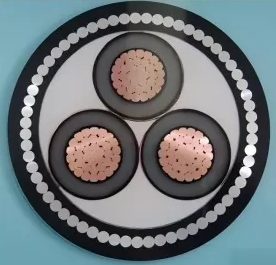
Mining/Underground Operations: Use MVV mining low-voltage cables (crush-resistant, corrosion-resistant), or steel wire armored YJV22;
Food Processing Workshops: Select halogen-free low-smoke cables to avoid polluting the production environment.
We use cookies to offer you a better browsing experience, analyze site traffic and personalize content. By using this site, you agree to our use of cookies.
Privacy Policy