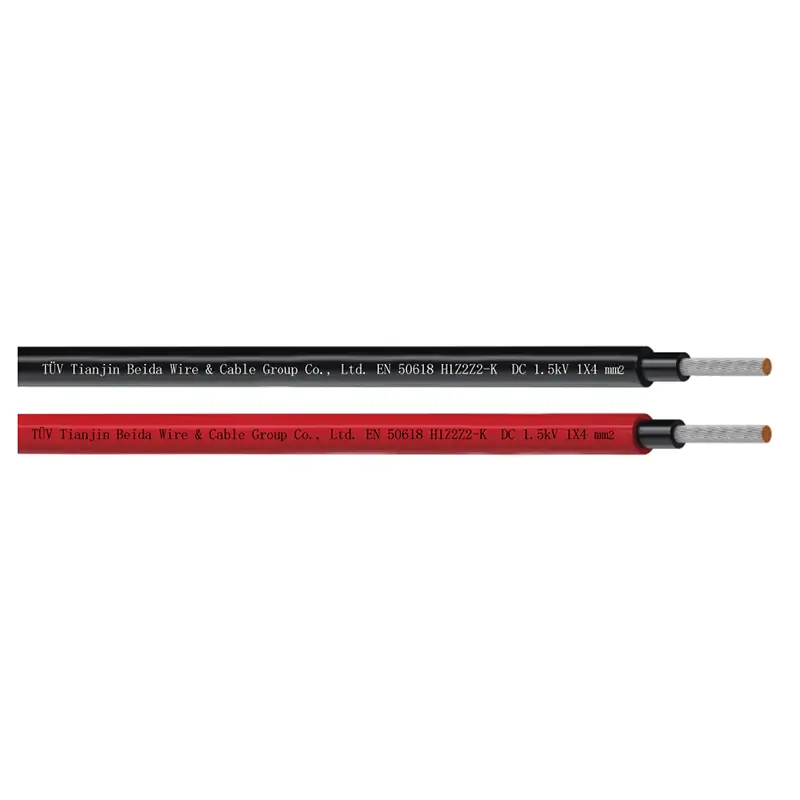
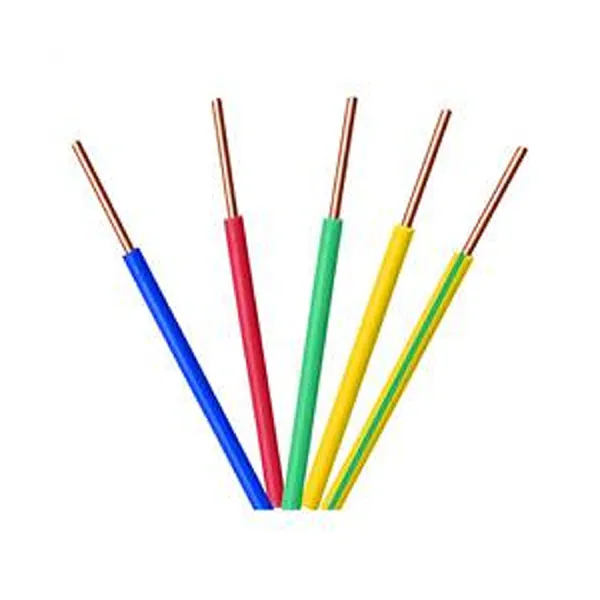
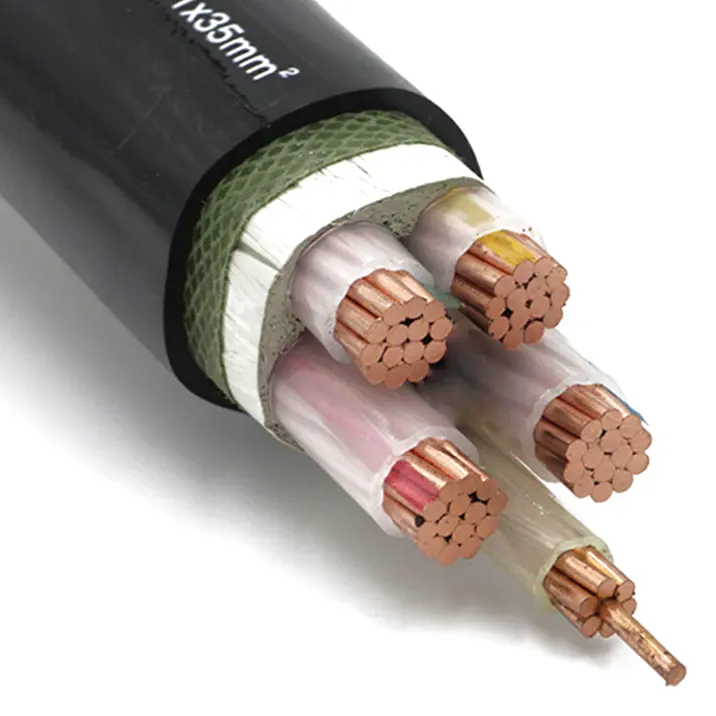
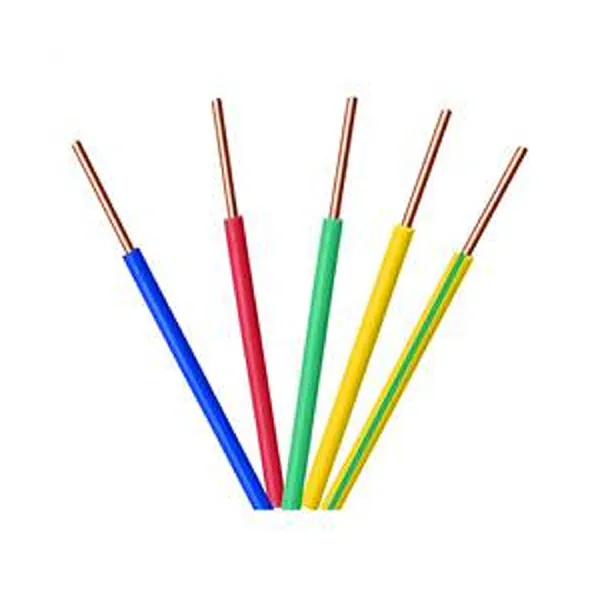
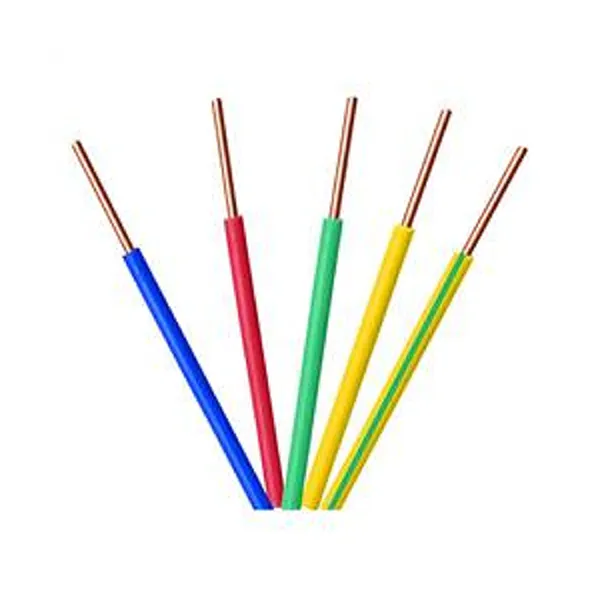
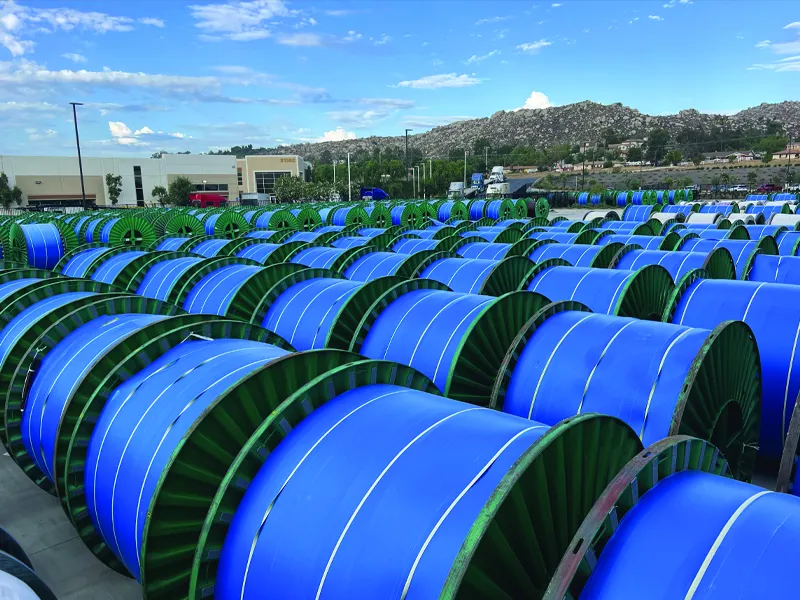
IEC 60227 defines the requirements for PVC-insulated cables rated up to and including 450/750V. For electrical contractors, distributors, and cable procurement teams, checking compliance involves more than confirming the voltage rating. Conductor construction, insulation thickness, electrical resistance, mechanical properties, cable marking, and test results all need to match the applicable cable type. In this article, Beida explains the key requirements behind the IEC 60227 Single Core PVC Cable range, compares common BV and RV models, and highlights the technical details worth checking before specifying a cable for an electrical installation.
IEC 60227 is a series of international standards covering polyvinyl chloride (PVC)-insulated cables with rated voltages up to and including 450/750V. It applies to rigid and flexible cables used in electrical power installations, with requirements covering cable construction, materials, identification, and performance.
One point we often clarify when discussing cable specifications is that IEC 60227 is not a single specification for every PVC cable. Different parts of the series address different cable constructions and applications. For example, IEC 60227-3 covers non-sheathed cables for fixed wiring, while IEC 60227-5 addresses flexible cables and cords. The applicable product part must be considered alongside the general requirements in Part 1.
The latest general requirements edition is IEC 60227-1:2024. The 2024 edition also identifies IEC 63294 as a test-method reference, replacing the former IEC 60227-2 test-method document.
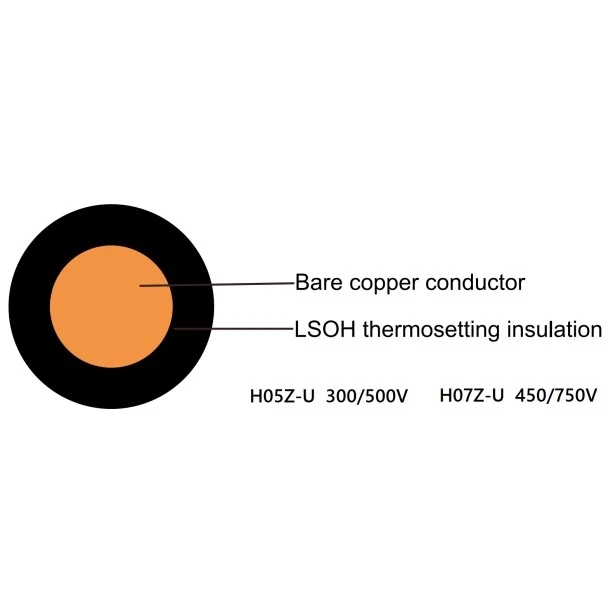
For our IEC 60227 Single Core PVC Cable range, the relevant product details include conductor material, conductor class and construction, PVC insulation, rated voltage, insulation dimensions, and electrical test results. These details determine whether a cable is suitable for a particular fixed-wiring or electrical installation requirement.
When evaluating an IEC 60227 cable, we do not recommend checking only the product name or voltage printed on the specification sheet. Several construction and performance factors need to be considered together.
The conductor is responsible for carrying electrical current, so its material, cross-sectional area, and construction directly affect cable performance. Copper is commonly used in IEC 60227 PVC-insulated cables because of its electrical conductivity and established use in building wiring.
Depending on the cable type, the conductor may be solid or stranded. Solid conductors are generally selected for fixed wiring where the cable is installed in a relatively stable position. Stranded conductors offer greater flexibility and are more suitable for wiring routes that require easier handling or bending.
Beida's product range includes T1R copper conductors, with conductor configurations varying by model and cross-sectional area. During specification, we recommend checking the conductor construction and maximum DC resistance at 20°C rather than assuming that two cables with the same nominal cross-section will perform identically.
PVC insulation provides electrical separation between the conductor and its surroundings. Its performance depends on material properties, application quality, and insulation thickness. The insulation must maintain its electrical and mechanical characteristics under the conditions defined by the applicable cable standard.
For our cable range, lead-free PVC insulation is used. The insulation thickness varies according to the cable type and conductor cross-section. A larger conductor does not mean that every cable uses the same insulation thickness; the required dimensions must be checked against the relevant product specification.
IEC 60227 covers cable types with rated voltages up to 450/750V. However, not every cable in the series has the same voltage rating. Some single-core models are rated at 300/500V, while others are rated at 450/750V.
When selecting a cable, we check both values in the U0/U rating. They represent the rated voltage between the conductor and earth, and between conductors, respectively. The cable must match the electrical system and the installation requirements rather than simply having a familiar IEC designation.
Insulation must withstand the mechanical and thermal conditions specified for the cable type. Relevant checks include tensile strength, elongation, ageing performance, and resistance to deformation under elevated temperature.
For the Beida products covered in this range, the stated normal operating temperature is -5°C to +70°C, with a short-circuit temperature of +160°C. These figures are product specifications and should be checked against the exact model and its technical documentation before being used in an engineering design.
Clear cable identification helps installers distinguish cable types and reduces mistakes during installation and maintenance. Marking and core identification requirements are addressed in IEC 60227-1, including the legibility and durability of cable markings and the identification of cores by colours or numbers where applicable.
For project procurement, we recommend confirming the required cable designation, voltage rating, conductor size, colour, and marking information in the purchase specification. This is particularly important when a project requires specific national wiring conventions or customer-defined identification details.
Different model designations indicate differences in conductor construction and intended use. In Beida's product range, IEC 01, IEC 02, IEC 05, IEC 06, and BVR are common options. BV models generally use a rigid conductor construction, while RV models use flexible stranded conductors.
| Model | Common Designation | Rated Voltage | Conductor Construction | Typical Application |
|---|---|---|---|---|
| 60227 IEC 01 | BV | 450/750V | Solid conductor | Fixed electrical wiring |
| 60227 IEC 02 | RV | 450/750V | Flexible stranded conductor | Wiring requiring greater flexibility |
| 60227 IEC 05 | BV | 300/500V | Solid conductor | Specified fixed-wiring applications |
| 60227 IEC 06 | RV | 300/500V | Flexible stranded conductor | Specified flexible wiring applications |
| BVR | BVR | 450/750V | Flexible stranded conductor | Fixed wiring where easier installation is required |
Note: The table summarizes the model designations and specifications provided for Beida's product range. Final selection should be based on the applicable standard part, conductor class, installation method, and project requirements. Similar commercial designations do not automatically mean that two cables have identical construction or certification scope.
The main difference between BV and RV cables is conductor construction. BV generally uses a solid conductor, while RV uses a flexible stranded conductor. This difference affects how the cable behaves during installation.
For straight wiring routes in buildings, a solid conductor can be a practical choice because it holds its shape during installation. Where wiring needs to pass through more complicated routes, a flexible conductor can be easier to handle. However, flexibility alone does not determine suitability. The cable's rated voltage, conductor cross-section, installation environment, and applicable product standard must also be considered.
Compliance cannot be established by appearance alone. IEC 60227 cables are subject to defined construction checks and performance tests. For us, reviewing test data is an important part of evaluating whether a cable specification is suitable for a project.
| Inspection Item | What It Checks | Why It Matters |
|---|---|---|
| Conductor resistance | Electrical resistance at the specified reference temperature | Helps verify conductor performance and dimensional consistency |
| Conductor construction | Conductor material, wire count, and construction dimensions | Confirms the cable matches its specified conductor type |
| Insulation thickness | Minimum and average insulation dimensions as applicable | Checks that the insulation meets the requirements for the cable type |
| Voltage test | Electrical withstand performance under the prescribed test conditions | Helps identify insulation defects that could affect electrical safety |
| Ageing and mechanical tests | Changes in insulation properties after specified conditioning | Evaluates whether insulation retains required mechanical characteristics |
| Marking inspection | Identification, legibility, and durability of markings | Supports correct installation, traceability, and maintenance |
Beida's supplied technical specifications list the following test voltages for the corresponding rated-voltage groups:
| Rated Voltage | Specified Test Voltage | Applicable Models in the Range |
|---|---|---|
| 450/750V | 2500V | IEC 01, IEC 02, BVR |
| 300/500V | 2000V | IEC 05, IEC 06 |
These are the test values stated in the product information, not a substitute for the complete test procedure or acceptance criteria in the applicable standard. When reviewing a test report, we advise checking the sample identification, test method, test conditions, and result together. A voltage figure without its test context is not enough to demonstrate full compliance.
Flame performance is another specification that often appears in electrical cable enquiries. However, flame retardancy and fire resistance describe different performance characteristics, so they should not be treated as interchangeable terms.
IEC 60332 includes test methods for evaluating the flame propagation characteristics of electric cables. For single cables, IEC 60332-1-2 specifies a vertical flame propagation test. For cables installed in bundles, the IEC 60332-3 series provides different test categories, including Categories A, B, C, and D.
Depending on project requirements, Beida can arrange testing according to IEC 60332-1 or the relevant IEC 60332-3 category. The correct test should be selected according to the installation configuration and the specification issued by the project owner or engineering consultant.
We also distinguish flame propagation tests from fire-resistance tests. Beida's product information lists a 750°C, 90-minute fire-resistance performance under specified standards, including IEC 60331. This should be verified against the exact cable construction and supporting test documentation. It should not be interpreted as a general requirement of IEC 60227 or as equivalent to an IEC 60332 flame-retardant test.
For reference, the relevant standards can be reviewed through the IEC Webstore. The exact edition and test category should be confirmed in the project specification before ordering.
IEC 60227 single-core PVC-insulated cables are commonly specified for low-voltage electrical wiring where the cable construction and installation conditions match the relevant standard. Typical applications include:
In practical project work, the installation method is just as important as the cable model. A cable intended for fixed wiring should not automatically be used in a moving application. Likewise, a standard PVC-insulated cable is not automatically suitable for outdoor exposure, direct burial, oil contact, or unusually high ambient temperatures. These conditions may require a different cable construction or additional protection.
When we review an enquiry for an IEC 60227 Single Core PVC Cable, we recommend confirming the following information before finalizing the model and quotation:
For larger orders, it is useful to provide a complete cable schedule rather than requesting a quotation based only on a product name. This helps avoid differences in conductor construction, insulation dimensions, and test requirements between the requested cable and the offered product.
Established in 1989, Beida has developed its wire and cable manufacturing business from its early focus on medium- and low-voltage cable products. Over the years, the company has worked with organizations and project groups in sectors including construction, infrastructure, and railway-related industries.
For our IEC 60227 Single Core PVC Cable range, we focus on matching the cable construction to the requested model and technical specification. This includes T1R copper conductor options, lead-free PVC insulation, multiple conductor cross-sections, and voltage ratings of 300/500V and 450/750V.
We also understand that different projects may require different verification documents. Some enquiries focus on conductor resistance and insulation dimensions, while others specify additional flame propagation or fire-resistance testing. Confirming these requirements at the quotation stage helps ensure that the selected cable, test documentation, and delivery specification remain consistent.
For technical enquiries, we recommend providing the required model, conductor size, rated voltage, applicable standard, and any additional testing requirements. This gives our team a clearer basis for confirming the appropriate cable configuration.
The IEC 60227 series covers PVC-insulated cables with rated voltages up to and including 450/750V. The actual voltage rating depends on the specific cable type and the relevant part of the standard.
In Beida's product range, IEC 01 is identified as a BV-type cable with a solid conductor, while IEC 02 is identified as an RV-type cable with a flexible stranded conductor. Both are listed with a rated voltage of 450/750V. Their different conductor constructions make them suitable for different wiring and installation needs.
The two ratings indicate different rated-voltage levels. A 300/500V cable should not be substituted for a 450/750V cable where the installation specification requires the higher rating. The selected cable must match the system voltage and applicable installation rules.
No. IEC 60227 mainly specifies requirements for PVC-insulated cable construction and performance. Flame propagation performance is evaluated through separate standards, such as IEC 60332-1-2 for a single cable and the IEC 60332-3 series for cables installed in bundles. Additional testing must be specified and documented where required.
The product information supplied for this range states a normal operating temperature of -5°C to +70°C and a short-circuit temperature of +160°C. The applicable limits should always be checked against the specific cable model and its technical documentation.
Project requirements may involve different conductor cross-sections, cable colours, packaging arrangements, and additional testing. Beida can review these requirements according to the requested model and production specification. Any customization should be confirmed before production.
Depending on the project, useful documents may include the product datasheet, applicable compliance documentation, conductor and insulation test results, routine inspection records, and additional flame-retardant or fire-resistance test reports where specified. The documents should identify the relevant cable model and test requirements clearly.
IEC 60227 cable selection involves more than choosing between 300/500V and 450/750V ratings. Conductor construction, PVC insulation thickness, electrical resistance, mechanical performance, cable identification, and the correct test standards all contribute to whether a cable meets the requirements of an installation.
At Beida, we recommend starting with the applicable cable model and project specification, then confirming the conductor size, voltage rating, and required test documentation. This approach makes it easier to select an appropriate IEC 60227 Single Core PVC Cable and reduces specification differences during procurement and installation.