Medium-voltage power cables are a core component of urban power grids, and their laying method directly affects power supply reliability, maintenance convenience, and project costs. Based on different scenario requirements, common laying methods can be divided into the following five categories; scientific selection can maximize benefits.
I. Direct Burial: The Preferred Economic and Efficient Solution
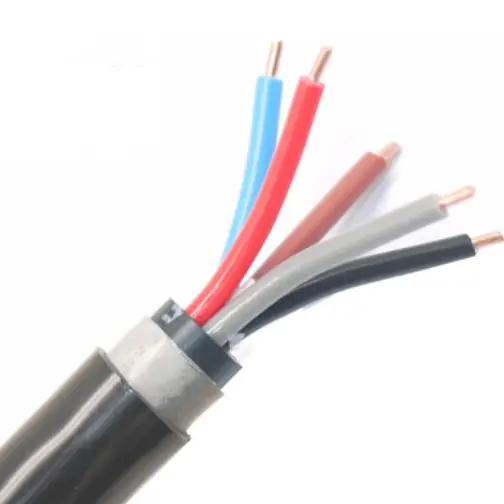
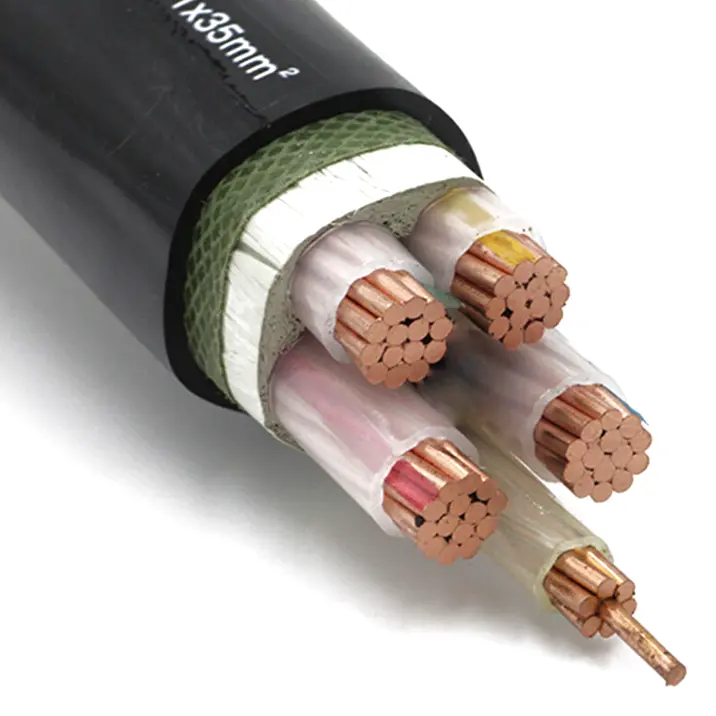
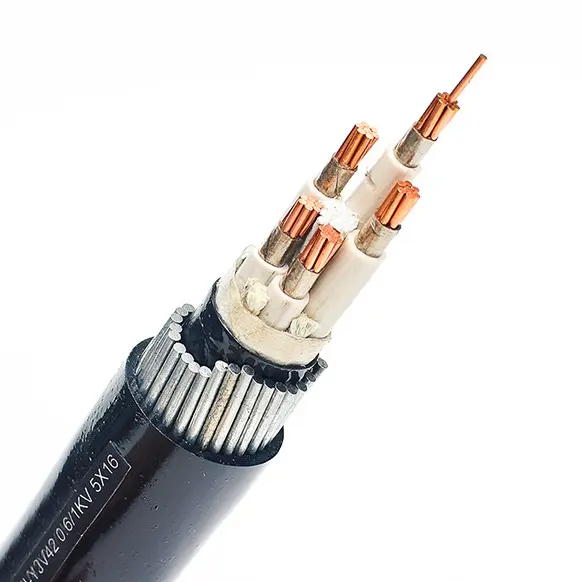
Suitable for suburban areas or roadside locations with good soil conditions, no corrosive media, and a small number of cables. Direct burial offers advantages such as low investment, short construction period, and excellent heat dissipation. However, the burial depth must exceed the frost line, and a concrete protective slab is required to prevent mechanical damage. Tianjin Beida Cable Group recommends using armored cables with a 100mm thick fine sand bedding layer to significantly improve resistance to external damage.
II. Conduit Laying: The Ideal Choice for Narrow Urban Areas
When cables need to cross highways, railways, or dense building complexes, conduit laying allows for centralized cable management through pre-buried pipes. This method requires less land and facilitates future expansion. However, the inner diameter of the conduit must be at least 1.5 times the outer diameter of the cable, and a 0.2% drainage slope is required. Beida Cable's flame-retardant PVC-C conduit material, combining corrosion resistance and fire resistance, has been widely used in urban main road renovation projects.
III. Cable Trench Laying: A Concentrated Solution for Multi-Voltage Lines Suitable for densely cabled areas such as substation outgoing lines and industrial plants. While ordinary cable trenches require a 0.3% drainage slope, sand-filled cable trenches achieve fireproof isolation through the sand filling layer, making them particularly suitable for explosion-hazardous locations. Beida Cable's galvanized steel supports, used in conjunction with flame-retardant cables, ensure the safe operation of cables within the trench.
IV. Cable Tunnel Laying: The Ultimate Solution for Ultra-Large Capacity Power Grids
When the number of cables in the same channel exceeds 21, tunnel laying, equipped with mechanical ventilation, smoke alarms, and automatic fire suppression systems, achieves full lifecycle maintenance without excavation. Although the initial investment is higher, the practices of developed countries such as Japan and South Korea have proven that its overall cost-effectiveness is superior to repeated direct burial.
V. Overhead Cable Tray Laying: A Flexible Supplement for Special Scenarios
Suitable for scenarios such as bridges and buildings where direct burial is not feasible. Beida Cable's aluminum alloy cable tray system, through optimized structural design, increases load capacity by 30%, while being equipped with weather-resistant medium-voltage cables that can withstand extreme environments from -40℃ to 90℃.
Professional Manufacturing, Quality Assurance
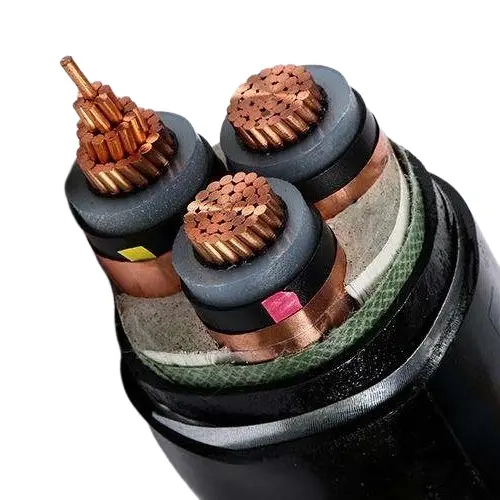
Tianjin Beida Cable Group, as a high-tech enterprise, has focused on the research and manufacturing of medium-voltage power cables for 35 years. Its products cover a full range of models, including cross-linked polyethylene insulated cables and aluminum alloy cables. Certified by the ISO9001 quality management system, it serves key projects in 28 provinces and cities in the power, metallurgy, and petrochemical industries.
We use cookies to offer you a better browsing experience, analyze site traffic and personalize content. By using this site, you agree to our use of cookies.
Privacy Policy