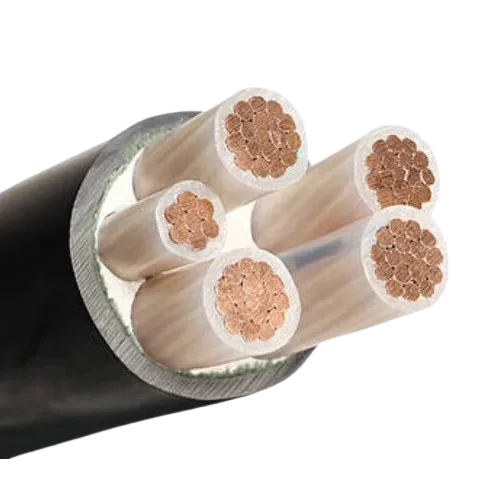
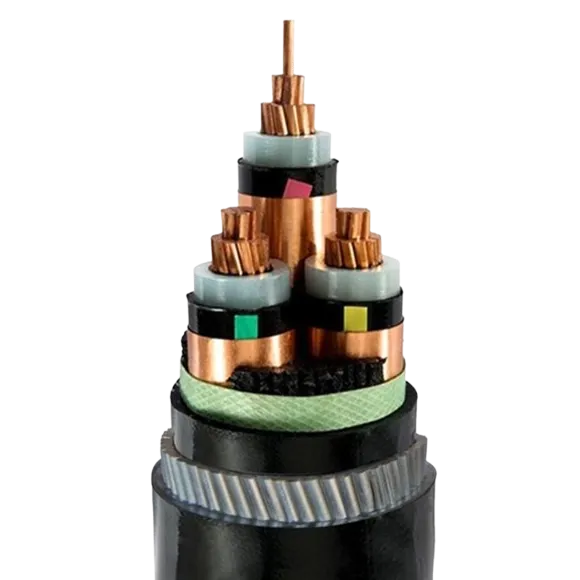
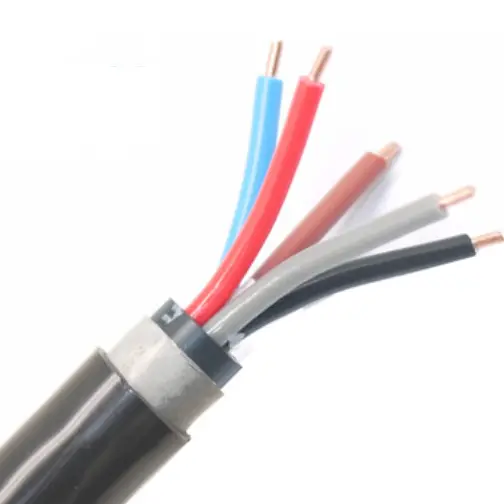
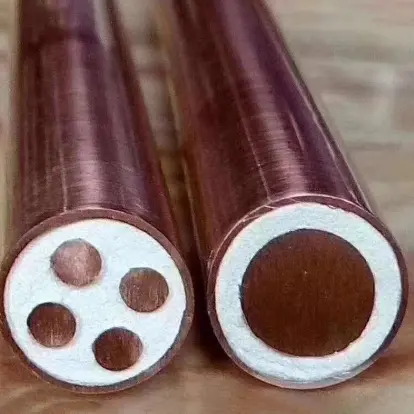
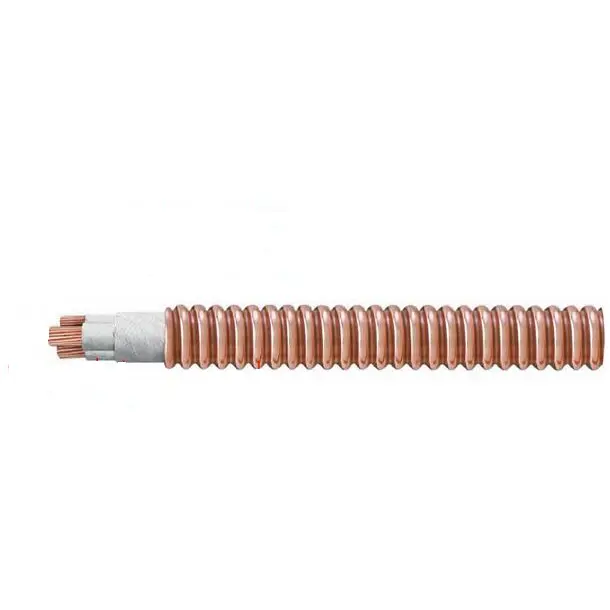
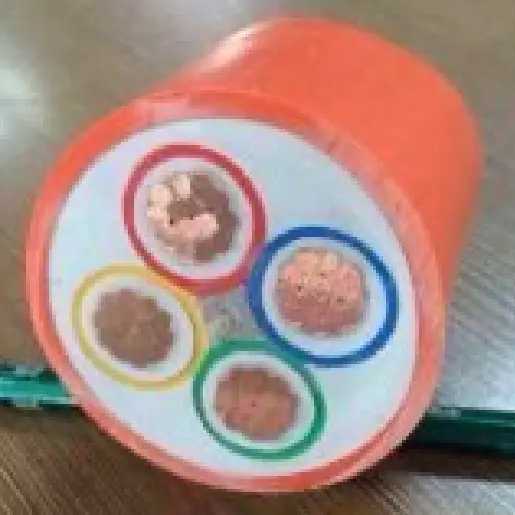
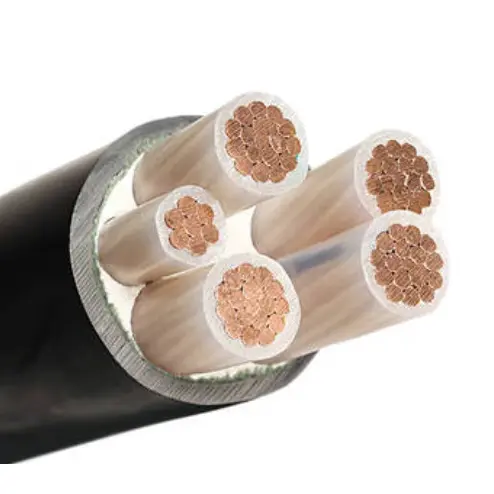
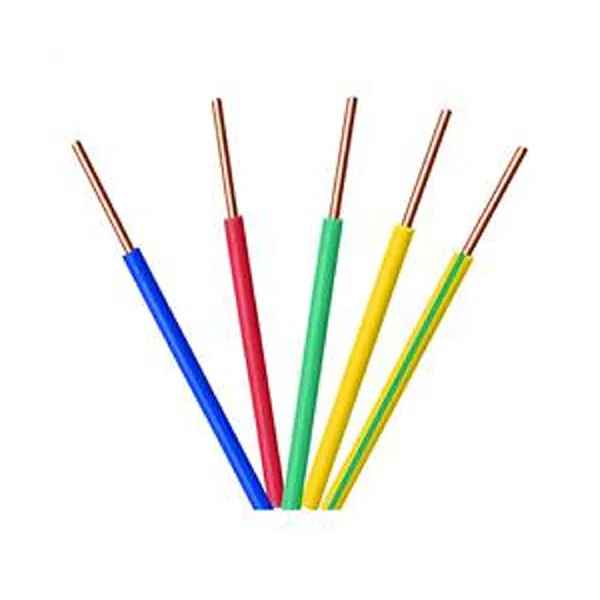
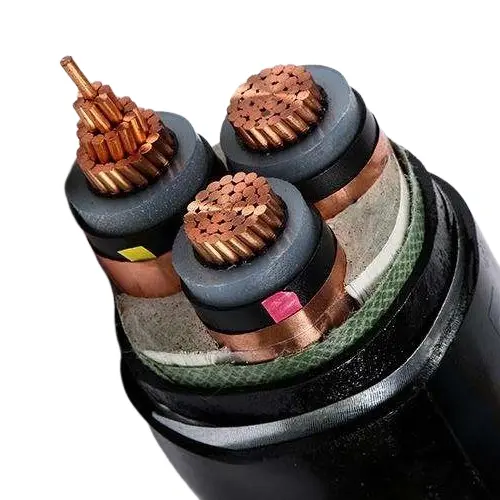
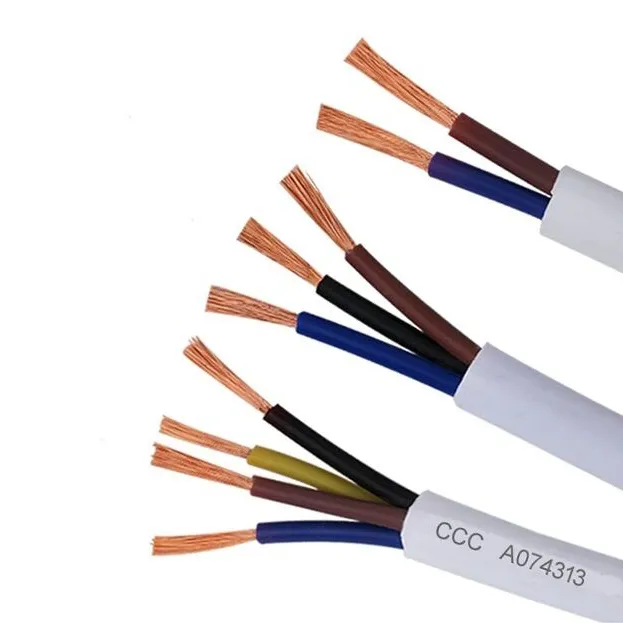
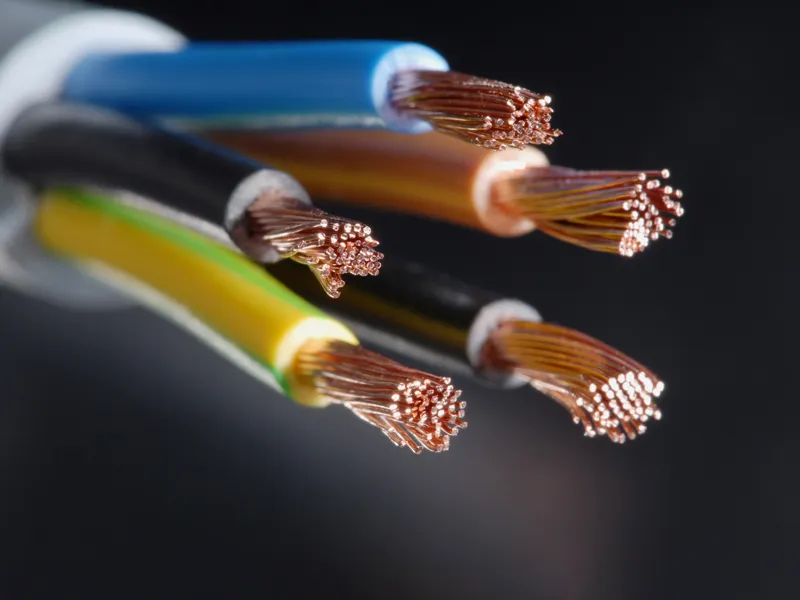
Mineral-insulated cables, with their excellent fire-resistant, explosion-proof, and corrosion-resistant properties, are widely used in critical fields such as construction, metallurgy, and petrochemicals. However, improper installation can easily generate eddy currents, leading to cable overheating, increased losses, and even shortened service life, affecting the safe operation of the line. Mastering scientific installation methods is key to avoiding eddy current risks.
The key to avoiding eddy currents is to break the closed magnetic circuit formed by the alternating magnetic field. According to GB51348-2019, the electrical design standard for civil buildings, when single-core mineral-insulated cables enter or exit steel distribution cabinets, measures must be taken to separate the magnetic circuit. This can be achieved by enlarging the hole, replacing the copper partition, or creating a long slot to break the phase magnetic circuit and prevent eddy current generation. When passing through walls or floors, the use of ferromagnetic materials to close conduits is strictly prohibited; non-magnetic aluminum alloy or rigid plastic conduits should be selected.
The appropriate selection of fasteners and laying spacing is also crucial. Cable trays, supports, and clamps that hold single-core cables must avoid forming closed magnetic circuits; non-magnetic clamps made of copper tape or nylon should be preferred. Furthermore, eddy current loss is inversely proportional to the square of the cable spacing. When the spacing reaches twice the cable's outer diameter, the eddy current effect can be controlled within acceptable limits. Strict spacing requirements must be maintained during laying to avoid the superposition of eddy currents caused by tightly packed multiple cables.
Furthermore, cable arrangement and grounding procedures must be standardized. When laying multi-core cables, a staggered arrangement can effectively cancel magnetic flux and reduce eddy current effects; single-core cables should avoid double-end grounding to prevent the formation of closed loops that induce eddy currents. Insulation testing is required after installation to ensure the line is free of hidden dangers, mitigating eddy current risks throughout the entire construction process.
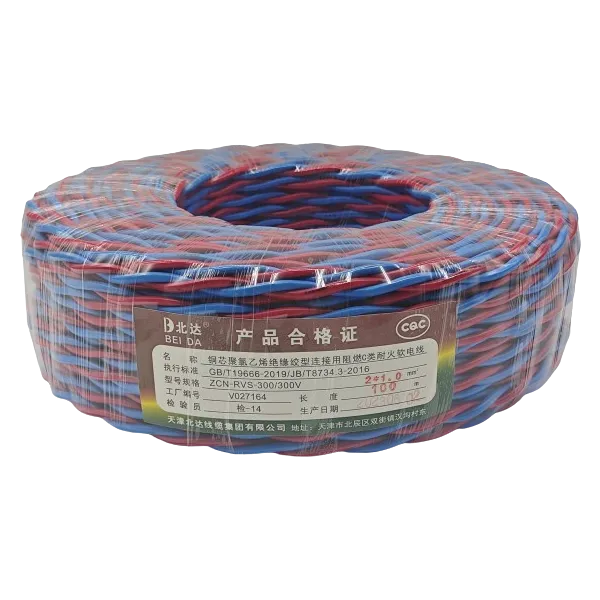
High-quality mineral-insulated cables are fundamental to avoiding eddy current hazards. Tianjin Beida Cable Group, as a professional manufacturer of mineral-insulated cables, has many years of manufacturing experience, has introduced advanced domestic and international production equipment, and offers a wide range of products including mineral-insulated cables. The group has received numerous awards and certifications, guaranteeing quality. Leveraging its professional technical strength, the group can provide customers with compliant and high-quality cable products and installation guidance. We welcome customers to inquire and purchase, working together to safeguard the safe and stable operation of power lines.
We use cookies to offer you a better browsing experience, analyze site traffic and personalize content. By using this site, you agree to our use of cookies.
Privacy Policy