We are glad to share with you about the results of our work, company news, and give you timely developments and personnel appointment and removal conditions.
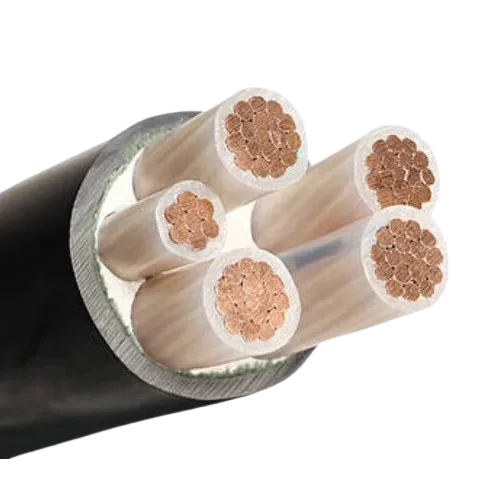
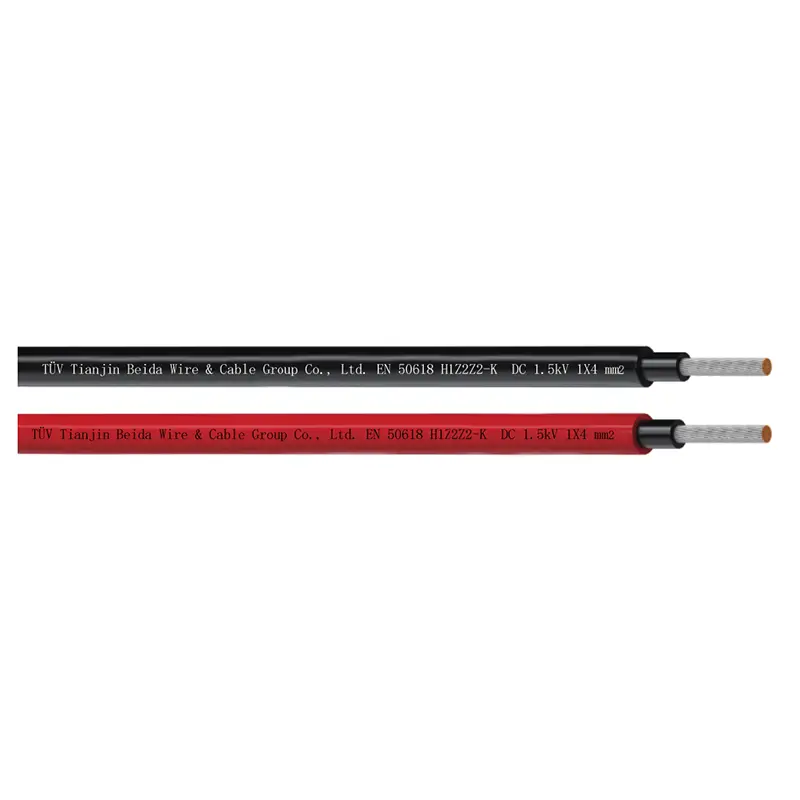
In today’s rapidly evolving power infrastructure environment, reliability, safety, and efficiency are non-negotiable. From industrial facilities and commercial complexes to renewable energy systems and urban utility networks, selecting the right power cable directly impacts long-term operational stability. Among various cable solutions available in the market, XLPE Insulated PVC Sheathed Power Cable has emerged as a preferred choice for engineers, contractors, and procurement specialists worldwide.
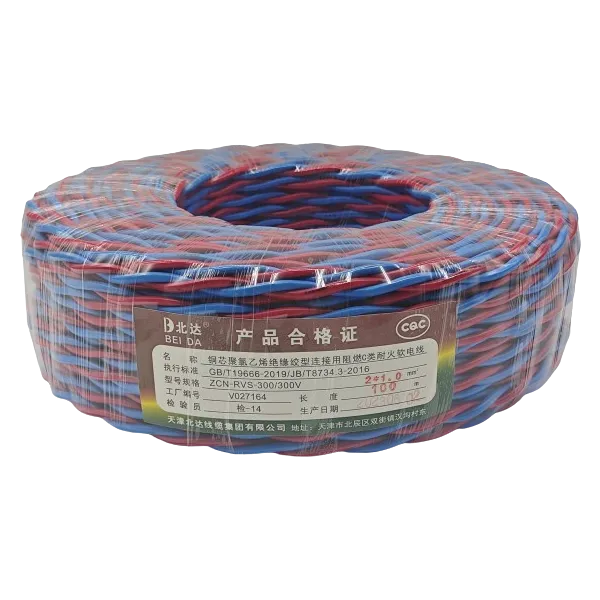
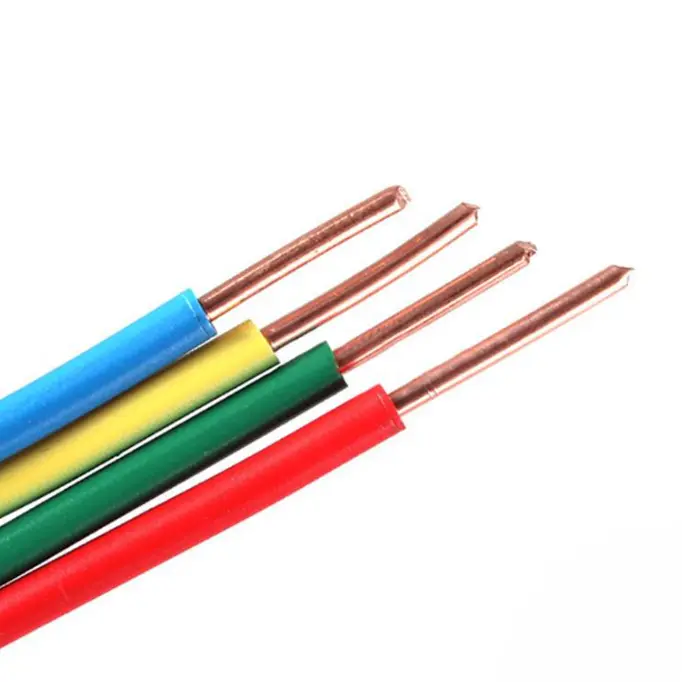
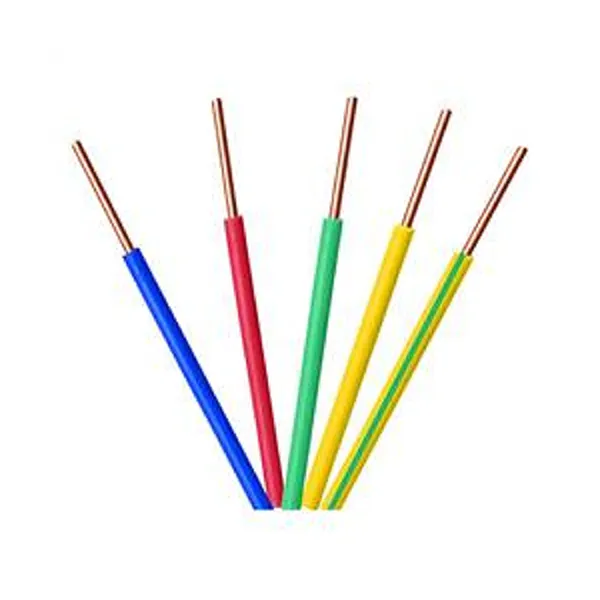
PVC Insulated Wires are among the most widely used electrical conductors across residential, commercial, and industrial applications. Their popularity stems from durability, cost-effectiveness, flame resistance, and excellent insulation properties. However, customers often struggle with selecting the right specification, understanding safety ratings, comparing alternatives, and ensuring compliance with international standards.
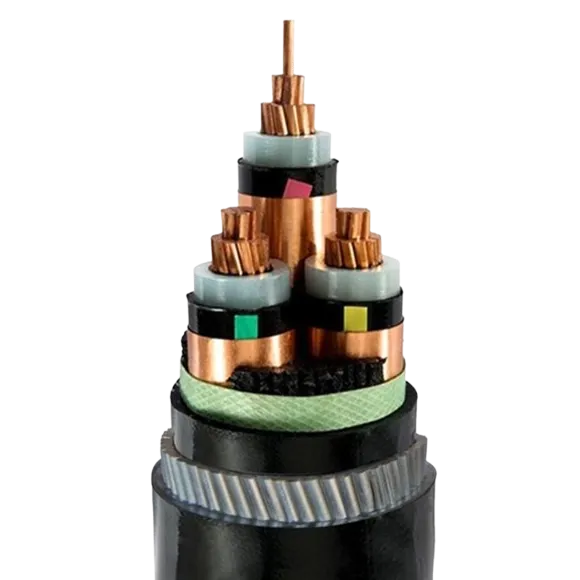
The core difference between medium-voltage and low-voltage power cables revolves around their rated voltage levels, leading to comprehensive differences in structural design, material standards, installation requirements, and application scenarios.
Low-voltage cables (rated voltage 0.6/1kV, the mainstream voltage level for civil and industrial applications) are the core transmission medium of power distribution systems. They are primarily used for the transmission of 380V three-phase and 220V single-phase power and equipment connection.
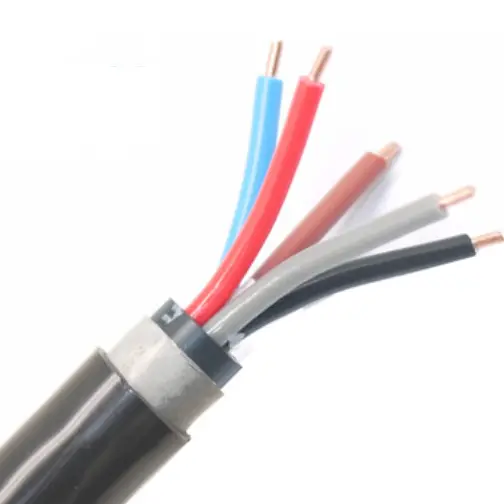
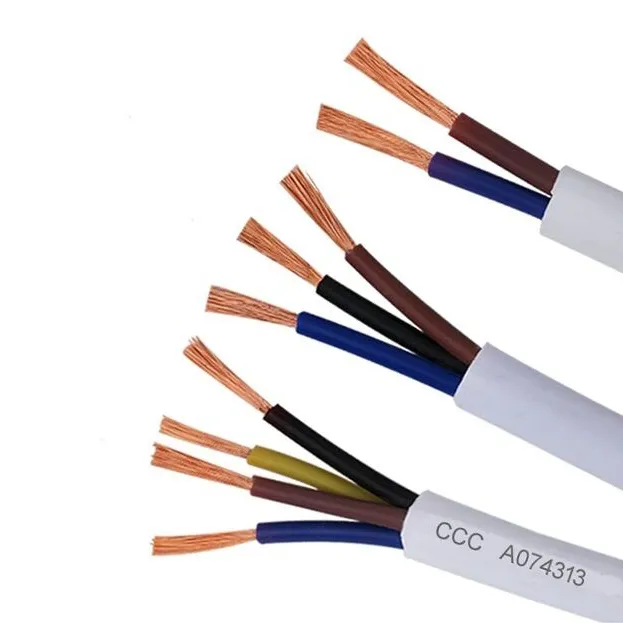
Common wire specifications for household and industrial use are primarily categorized by nominal cross-sectional area (square millimeters, mm²), number of cores + core type, and insulation/sheath material. The nominal cross-sectional area is the core basis for selection, while the number of cores and material are chosen according to the application.
We use cookies to offer you a better browsing experience, analyze site traffic and personalize content. By using this site, you agree to our use of cookies.
Privacy Policy