Tianjin Beida Wire & Cable Group Co., Ltd.
News

Industry News

What factors affect the current carrying capacity of low-voltage power lines?04 2026-03

What factors affect the current carrying capacity of low-voltage power lines?

The current-carrying capacity of low-voltage power lines directly affects the safe, stable, and energy-efficient operation of power distribution systems.
Why are polyolefins used for insulation in communication cables?03 2026-03

Why are polyolefins used for insulation in communication cables?

The insulation layer of communication cables is a core component ensuring stable signal transmission and extending cable lifespan.
Why Choose XLPE Insulated PVC Sheathed Power Cable for Modern Power Distribution?02 2026-03

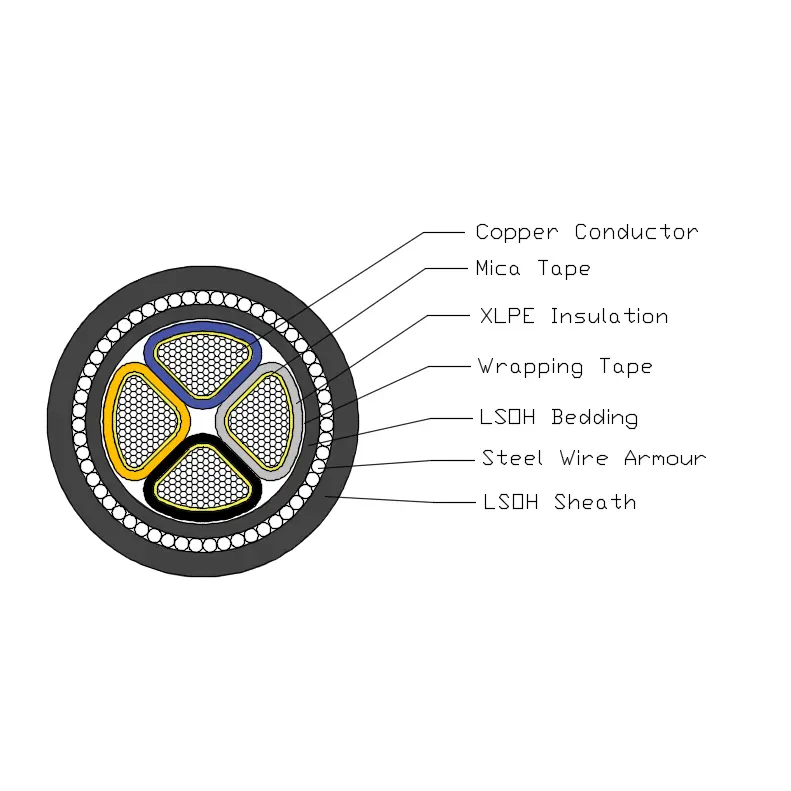
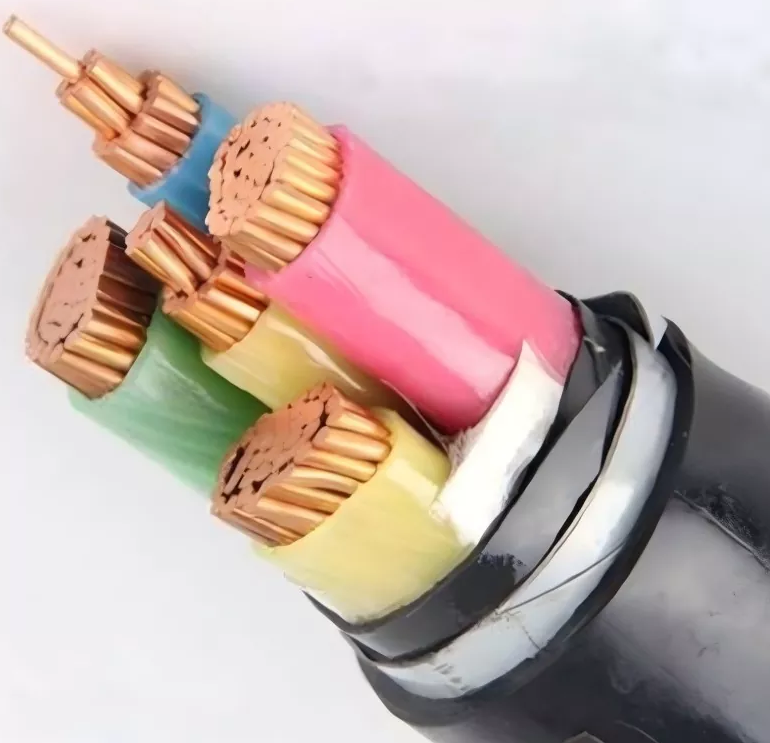
Why Choose XLPE Insulated PVC Sheathed Power Cable for Modern Power Distribution?

In today’s rapidly evolving power infrastructure environment, reliability, safety, and efficiency are non-negotiable. From industrial facilities and commercial complexes to renewable energy systems and urban utility networks, selecting the right power cable directly impacts long-term operational stability. Among various cable solutions available in the market, XLPE Insulated PVC Sheathed Power Cable has emerged as a preferred choice for engineers, contractors, and procurement specialists worldwide.
Why Choose PVC Insulated Wires for Modern Electrical Projects?25 2026-02

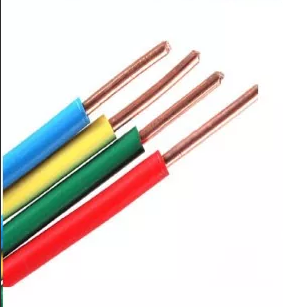
Why Choose PVC Insulated Wires for Modern Electrical Projects?

​PVC Insulated Wires are among the most widely used electrical conductors across residential, commercial, and industrial applications. Their popularity stems from durability, cost-effectiveness, flame resistance, and excellent insulation properties. However, customers often struggle with selecting the right specification, understanding safety ratings, comparing alternatives, and ensuring compliance with international standards.
The difference between medium-voltage and low-voltage power cables.28 2026-01

The difference between medium-voltage and low-voltage power cables.

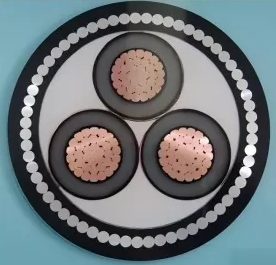
The core difference between medium-voltage and low-voltage power cables revolves around their rated voltage levels, leading to comprehensive differences in structural design, material standards, installation requirements, and application scenarios.
Applications of low-voltage cables28 2026-01

Applications of low-voltage cables

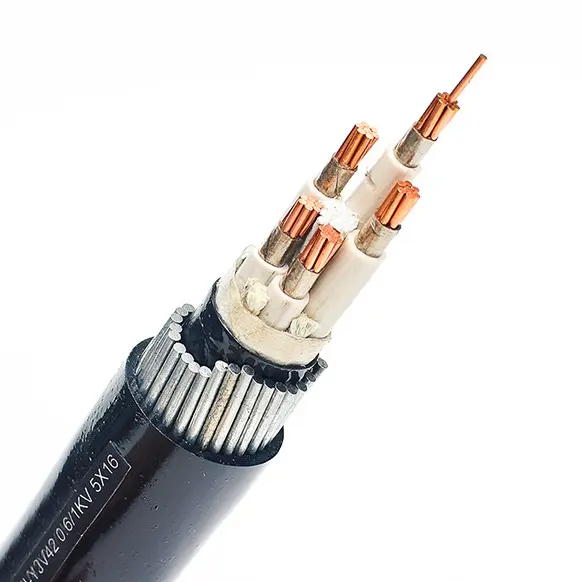
Low-voltage cables (rated voltage 0.6/1kV, the mainstream voltage level for civil and industrial applications) are the core transmission medium of power distribution systems. They are primarily used for the transmission of 380V three-phase and 220V single-phase power and equipment connection.
X
We use cookies to offer you a better browsing experience, analyze site traffic and personalize content. By using this site, you agree to our use of cookies.Privacy Policy
RejectAccept